Iran's Sanaa shock amid Gulf explosions: Are Houthis being prepped for major strikes on Oil Routes?
Source Entity
Latest News: Today's Latest News Headlines from India & World | Hindustan Times | Hindustan Times
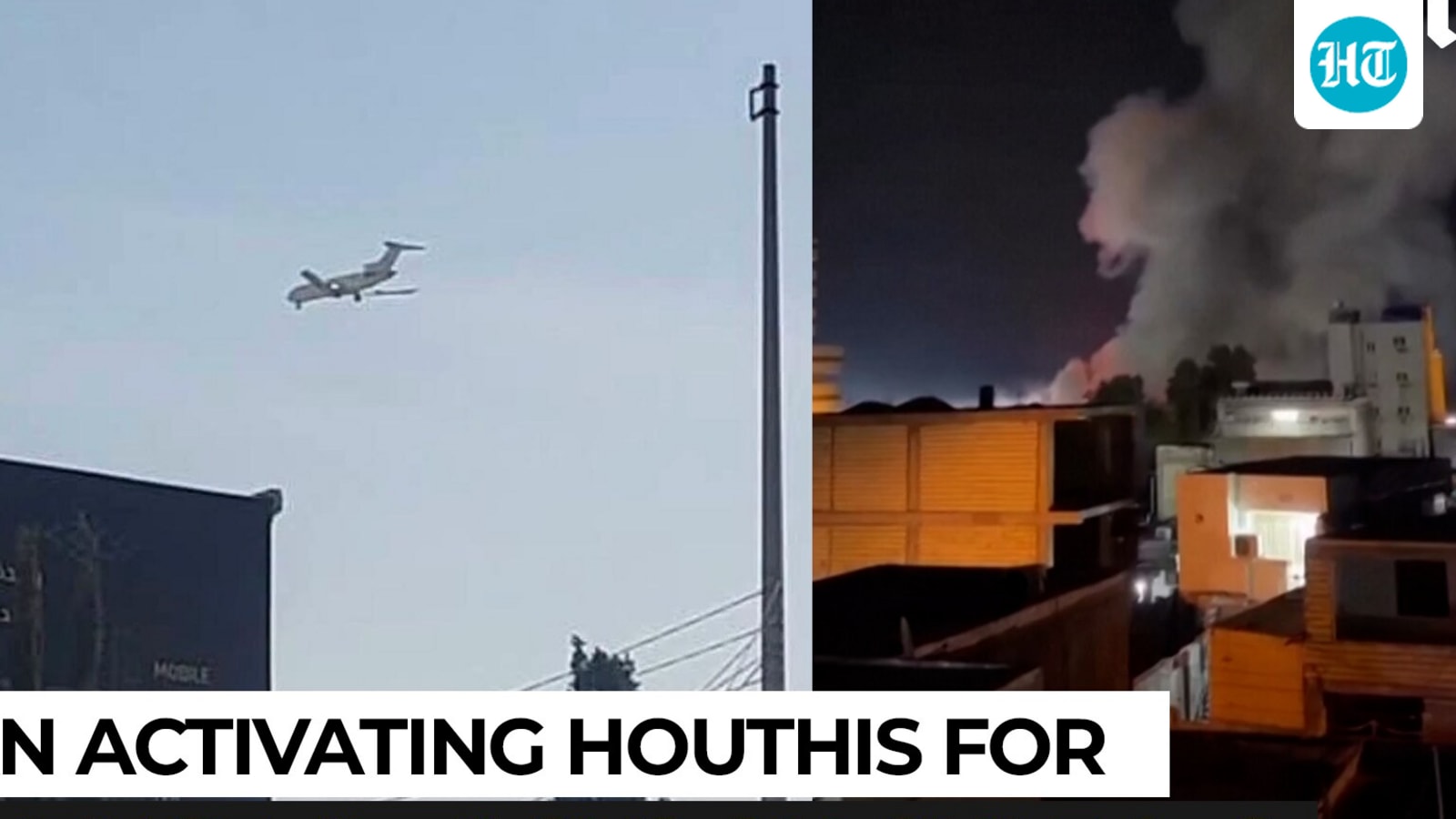
A reported Iranian Mahan Air flight's brief stop in Houthi-controlled Sanaa has sparked fresh speculation over Tehran's ties with the Iran-backed group. The visit, which coincided with reports of closed-door meetings and renewed Houthi threats against regional shipping, has further heightened tensions, while Yemen has accused Iran of violating its airspace and warned of possible action.
Iranian Aerial Diplomacy: Analyzing the Sanaa Stop and Regional Escalation
The recent report of a Mahan Air flight making a brief, unplanned stop in Houthi-controlled Sanaa has sent shockwaves through the diplomatic corridors of the Middle East. While ostensibly a technical or brief transit, the timing of this event—coinciding with unexplained explosions in the Gulf and renewed Houthi rhetoric—suggests a deeper strategic coordination between Tehran and the Ansar Allah movement. This incident is not merely a breach of airspace but a symbolic and potentially operational signal of Iran's continuing commitment to its 'Axis of Resistance' in the Arabian Peninsula.
The Strategic Nexus: Iran and the Houthi Militancy
Historically, the relationship between Iran and the Houthis has evolved from ideological alignment to a sophisticated military partnership. By utilizing civilian aviation assets like Mahan Air—which has previously been scrutinized by international regulators for its links to the IRGC—Tehran can facilitate the movement of high-level advisors or specialized technical equipment under the guise of commercial travel. The arrival in Sanaa likely served as a catalyst for the reported 'closed-door meetings,' aimed at synchronizing Houthi maritime operations with Iran's broader regional objectives to pressure Western interests and regional rivals.
Threat to Global Energy Arteries
The most alarming aspect of this development is the explicit link to threats against regional shipping. The Houthis maintain a strategic vantage point over the Bab al-Mandab Strait, a critical chokepoint for global oil and LNG shipments. Any Iranian-backed effort to 'prep' the Houthis for major strikes on oil routes could lead to a catastrophic spike in global energy prices and a disruption of supply chains. This tactical positioning allows Iran to exert asymmetric leverage over the global economy without engaging in direct state-on-state warfare, using the Houthis as a proxy to project power far beyond its own borders.
Yemeni Sovereignty and Airspace Violations
The reaction from the internationally recognized government of Yemen, which has accused Iran of violating its airspace, highlights the fragile state of Yemeni sovereignty. By ignoring the official aviation protocols of the recognized government, Iran and the Houthis are effectively asserting that the Houthi-controlled territories operate as a de facto Iranian protectorate. This blatant disregard for international aviation law serves to undermine the legitimacy of the Yemeni state and further complicates any future peace negotiations, as it demonstrates that external actors still hold significant sway over the country's internal security.
Regional Volatility and the Cycle of Escalation
This event does not occur in a vacuum but is mirrored by the reports of explosions in the Gulf, indicating a broader pattern of regional destabilization. The synchronization of aerial visits to Sanaa and maritime threats suggests a 'multi-domain' strategy where Iran tests the responsiveness of US-led naval coalitions. As the Houthis increase their capabilities in drone and missile warfare—technology largely attributed to Iranian design—the potential for a miscalculation leading to a full-scale naval conflict increases significantly.
Future Outlook: The Path to Maritime Conflict
Looking forward, the international community should expect an increase in 'gray zone' activities. We are likely to see a surge in Houthi maritime harassment, potentially utilizing more advanced Iranian-supplied weaponry to target tankers. In response, the US and its allies will likely bolster their naval presence in the Red Sea, creating a high-tension environment where a single skirmish could ignite a wider regional war. The Mahan Air incident serves as a precursor to a more aggressive phase of proxy coordination aimed at controlling the flow of energy from the East to the West.
Conclusion
The brief stop of a Mahan Air flight in Sanaa is a potent reminder of the precarious security architecture of the Gulf. By blending civilian aviation with military strategic planning, Iran continues to empower the Houthis to threaten the world's most vital oil routes. The convergence of airspace violations, secret meetings, and maritime threats points toward a calculated effort to destabilize regional shipping, necessitating a robust and coordinated international response to prevent a systemic energy crisis.
Verification Required?