Colorado will decide whether a "right to natural gas" is added to state constitution
Source Entity
Maya McDaniel, Inside Climate News
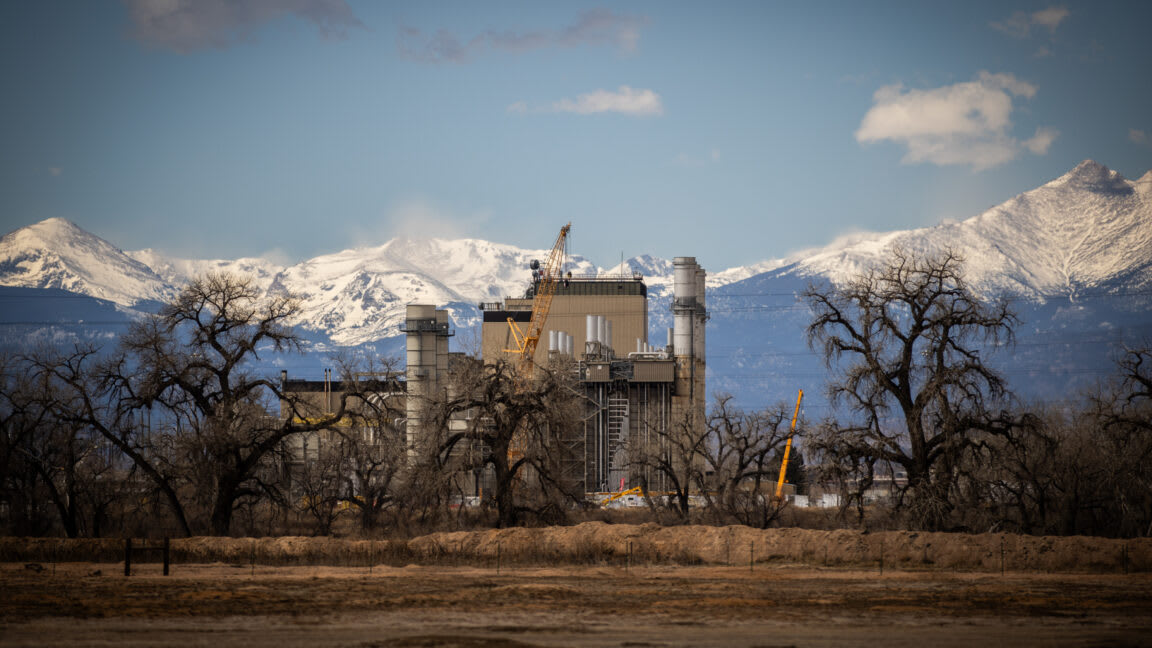
The amendment would restrict building codes that promote electrification.
The Battle Over Energy Infrastructure: Colorado's 'Right to Natural Gas'
Colorado is currently facing a significant legal and political crossroads as it weighs a constitutional amendment that would establish a "right to natural gas." This proposed measure seeks to embed the ability to use natural gas into the state's foundational law, specifically targeting the restriction of building codes that promote or mandate electrification. This move represents a fundamental clash between aggressive climate-driven policy and the protection of consumer choice and existing energy infrastructure.
The Drive Toward Electrification
To understand the necessity of this amendment from the perspective of its proponents, one must first look at the broader trend of electrification. In recent years, many progressive municipalities and state agencies have pushed for "all-electric" building codes. These regulations encourage or require new constructions to utilize heat pumps for heating and cooling and induction stoves for cooking, rather than relying on natural gas. The goal is to drastically reduce greenhouse gas emissions from residential and commercial buildings, which are a significant contributor to the state's overall carbon footprint. By removing the option for gas hookups, policymakers aim to accelerate the transition to a cleaner energy grid.
Arguments for the 'Right to Natural Gas'
Opponents of electrification mandates argue that such policies infringe upon property rights and ignore the practical realities of energy reliability. Proponents of the "right to natural gas" amendment often cite the reliability of gas heating during extreme winter weather events, where electrical grids can become overwhelmed or fail. Furthermore, there are significant concerns regarding the cost of transition; for many homeowners and developers, natural gas remains a more affordable and accessible option than high-efficiency electric alternatives. By elevating this right to a constitutional level, advocates aim to ensure that no future administration or local council can unilaterally ban the use of gas in new developments.
Legal Implications of Constitutional Protection
Adding a specific energy preference to a state constitution is a powerful legal maneuver. Unlike a standard statute or a city ordinance, which can be repealed or amended by a simple majority in a legislature or city council, a constitutional amendment provides a much higher layer of protection. If passed, this amendment would likely create a legal shield, making any future building codes that restrict natural gas vulnerable to court challenges. It essentially "locks in" the current energy paradigm, creating a significant legal hurdle for any future environmental legislation that seeks to phase out fossil fuels in the residential sector.
National Context and Future Trends
This conflict in Colorado is not an isolated incident but rather a reflection of a growing national trend across the United States. Several other states have seen similar battles over "gas bans," with some jurisdictions passing laws to protect gas hookups and others pushing for rapid decarbonization. This tug-of-war highlights the deep ideological divide over how the U.S. should handle the energy transition. As more states grapple with the balance between meeting Paris Agreement goals and maintaining energy security, we can expect to see more attempts to codify energy choices into state law.
Summary of the Stakes
The decision regarding the "right to natural gas" will serve as a bellwether for Colorado's energy future. If the amendment passes, it will signal a victory for consumer autonomy and the natural gas industry, potentially slowing the pace of residential electrification. If it fails, the path will remain clear for policymakers to implement stricter building codes in pursuit of climate goals. Ultimately, the outcome will determine whether the transition to green energy in Colorado will be driven by government mandate or by market preference and voluntary adoption.