Chief Minister Vijay inaugurates MLA office in his Perambur constituency
Source Entity
India Latest News: Top National Headlines Today & Breaking News | The Hindu
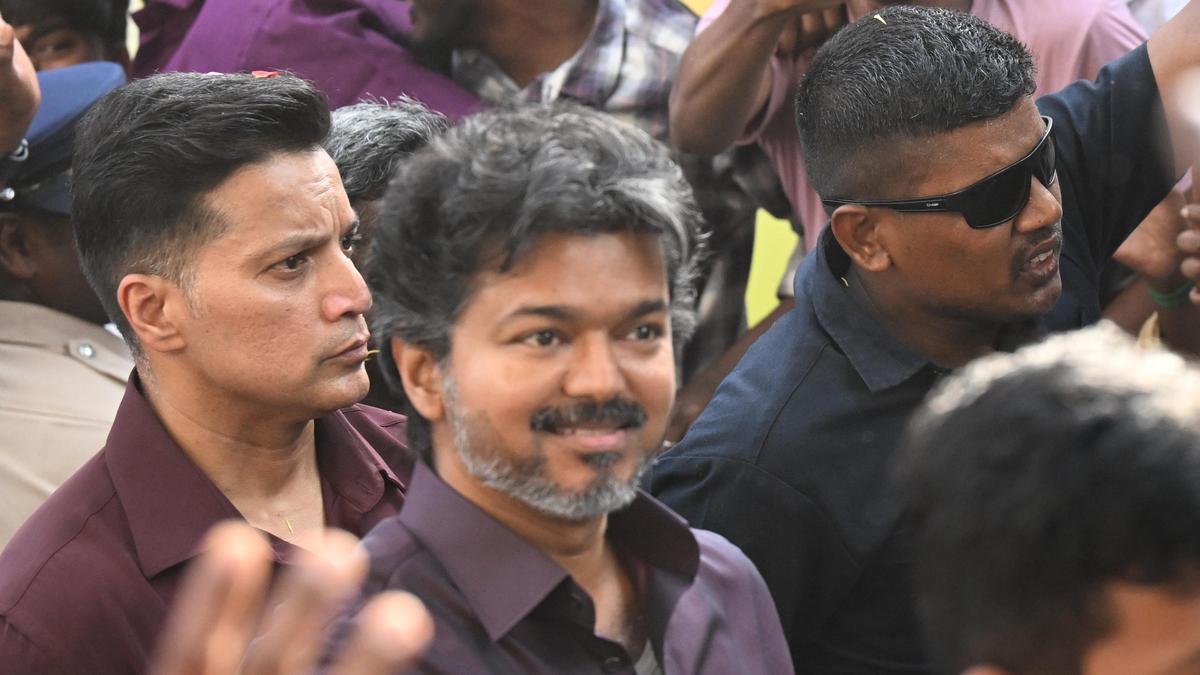
He also inaugurated the e-Sevai (e-Service) centre on the premises, held discussions with officials on the integrated development projects for Perambur, and received petitions from members of the public
Strengthening Grassroots Governance: CM Vijay's Perambur Initiative
The recent inauguration of the MLA office by Chief Minister Vijay in his Perambur constituency marks a significant step in bridging the gap between the highest level of state executive power and local legislative representation. By establishing a dedicated physical space for constituency management, the Chief Minister is signaling a commitment to accessible governance. This move is not merely administrative but symbolic, reinforcing the idea that the head of the state remains deeply connected to the specific needs of his local electorate.
Digital Transformation via e-Sevai Centres
A critical component of this inauguration was the launch of the e-Sevai (e-Service) centre. In the context of modern Indian administration, e-Sevai centres are pivotal in reducing bureaucratic friction. By digitizing the application process for certificates, licenses, and social welfare schemes, the government minimizes the need for citizens to navigate complex government offices. This integration within the MLA office suggests a strategic move to centralize citizen services, ensuring that the Perambur constituency becomes a model for digital accessibility and transparent governance.
Integrated Development and Urban Planning
Beyond the infrastructure of the office, the Chief Minister's discussions with officials regarding "integrated development projects" for Perambur indicate a holistic approach to urban planning. Perambur, known for its industrial roots and residential density, requires a synchronized strategy that addresses transport, sanitation, and housing simultaneously. Integrated development typically involves breaking down departmental silos—where water, roads, and electricity projects are coordinated—to prevent the common issue of repeated road digging and inefficient resource allocation. This focus suggests an upcoming phase of modernized infrastructure aimed at elevating the living standards of the area.
Direct Democracy and Public Grievance Redressal
The act of receiving petitions directly from members of the public is a cornerstone of traditional yet effective democratic engagement. By personally interacting with constituents, CM Vijay is employing a direct-feedback loop that allows the administration to identify hyper-local issues that might be overlooked in high-level policy meetings. This practice of grievance redressal serves as a pressure valve for public frustration and provides the government with real-time data on the efficacy of its local policies, ensuring that governance is responsive rather than reactive.
Political Implications and Future Trends
The dual role of serving as both the Chief Minister and a local MLA creates a unique political dynamic. It allows for an accelerated implementation of projects in Perambur, as the decision-making authority and the legislative request originate from the same individual. Looking forward, this approach is likely to set a precedent for other leaders to prioritize "model constituencies," where a specific area is used as a pilot for broader state-wide reforms in digital service delivery and integrated urban growth.
Conclusion
In summary, the inauguration of the MLA office and e-Sevai centre in Perambur is a multi-faceted move combining digital modernization, urban strategy, and direct public engagement. By focusing on integrated development and accessible services, CM Vijay is attempting to synthesize high-level state leadership with granular local governance, potentially transforming Perambur into a benchmark for administrative efficiency in the region.
Verification Required?