China plays long game on US chip retaliation after Nvidia whiplash
Source Entity
Latest News: Todays Latest News Headlines from India & World | Hindustan Times
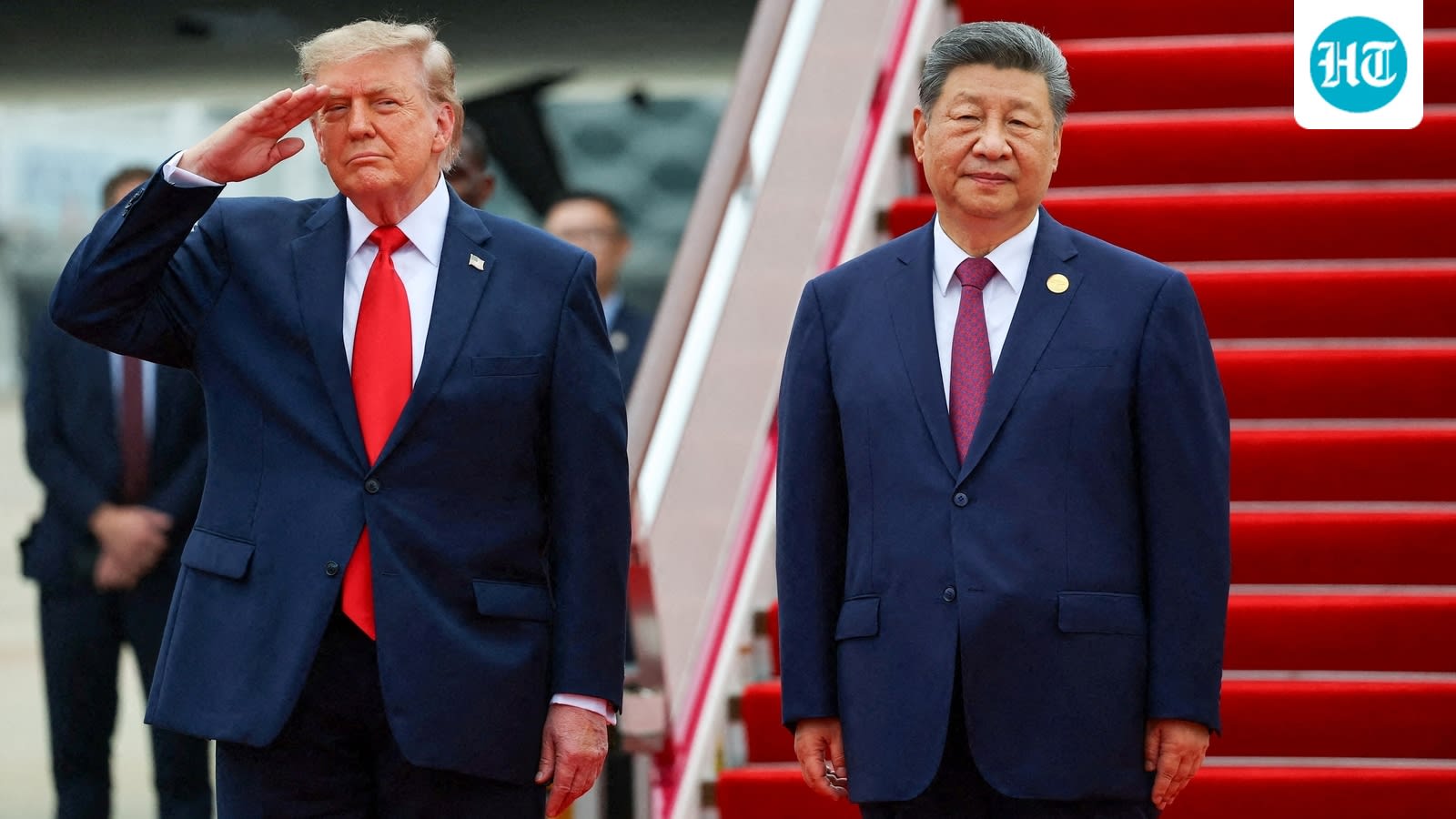
Tensions between US chip policy and Chinese trade maneuvers have intensified following President Trump's intervention to reinstate Nvidia's CEO. While Beijing seeks to leverage personal diplomacy for economic stability, market volatility and national security concerns remain high.
The Geopolitical Chess Match Over Semiconductor Supremacy
The intersection of high-stakes corporate governance and international trade policy has reached a fever pitch. Following a period of intense market volatility surrounding the leadership of Nvidia—marked by the departure and subsequent reinstatement of Jensen Huang—the global semiconductor landscape remains precarious. President Trump’s direct intervention in Nvidia’s boardroom, which he justified by citing national economic perception, has introduced a new variable into the U.S.-China trade relationship, sparking concerns over the politicization of critical technology infrastructure.
China’s Strategic Patience and Trade Leverage
Beijing appears to be adopting a long-term strategy, betting that the personal rapport between President Xi Jinping and President Trump can mitigate the fallout from recent U.S. export restrictions. This diplomatic overture was highlighted by a significant order of 50 Boeing 737-8 jets by a China Southern Airlines subsidiary, a move that fulfills pledges made during their May summit. By facilitating these purchases, China is signaling a willingness to engage in transactional diplomacy to stabilize the bilateral economic relationship, even as it navigates the constraints imposed by Washington’s tightening grip on advanced chip access.
The Mineral Bottleneck as a Diplomatic Tool
In a clear signal of its regulatory power, China’s Commerce Ministry recently extended its pause on export curbs for critical minerals, including gallium, germanium, and antimony. These materials are fundamental to the production of everything from commercial electronics to advanced military hardware. By maintaining the flow of these resources, Beijing is testing the durability of a fragile detente with the United States, effectively using its supply chain dominance as a counterweight to the new American rules aimed at limiting China’s technological advancement.
Market Volatility and the AI Bubble
Beyond the geopolitical maneuvering, the underlying health of the AI-driven tech sector faces significant skepticism. Nvidia’s stock performance has been erratic, with shares down nearly 30% over the last six months—a trend that predates the recent leadership turmoil. The market is currently experiencing a cooling of enthusiasm, as evidenced by the lackluster performance of Anthropic following its recent public flotation. These indicators suggest that investor jitters are rooted in fundamental questions about the long-term profitability and sustainability of the AI boom, which remain unresolved despite executive leadership changes.
National Security and the Price of Intervention
Critics argue that President Trump’s intervention at Nvidia sets a dangerous precedent regarding the intersection of private enterprise and national security. By asserting influence over a corporate board, the administration may have inadvertently signaled to foreign adversaries—including China, Russia, and Iran—that U.S. economic policy is susceptible to external pressures or internal political maneuvering. This perception of an 'economic veto' on national security strategy could have long-term consequences, as adversaries may view the U.S. tech sector as a malleable asset rather than a bastion of independent, secure innovation.
Future Trends and Concluding Thoughts
As we look forward, the stability of the global tech economy will likely hinge on whether the U.S. can maintain a consistent policy framework that balances economic competitiveness with national security. The current 'whiplash' in the markets and the reliance on personal summit diplomacy suggest a period of continued uncertainty. For global investors and policymakers, the lesson is clear: the semiconductor industry is no longer just a commercial sector, but the primary theater for modern geopolitical competition.
Multiple Citing Sources
Verification Required?