‘Swollen, burned and blistered arms’: 5 chilling details from Christa Pike’s botched execution
Source Entity
Latest News: Todays Latest News Headlines from India & World | Hindustan Times | Hindustan Times
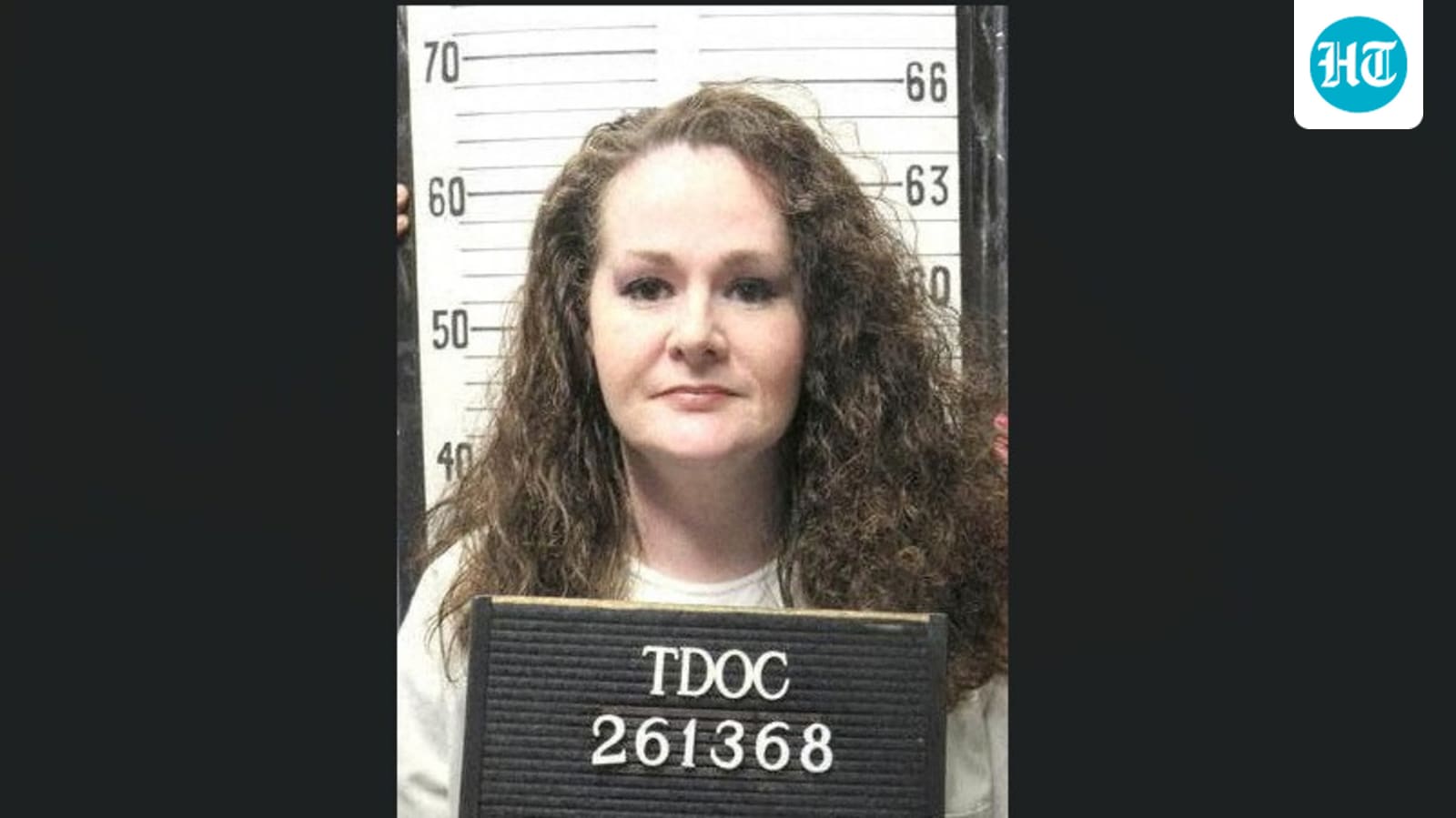
Tennessee death row inmate Christa Pike is awake and speaking following a failed execution attempt involving two doses of pentobarbital. Despite her recovery, which legal counsel describes as medically unprecedented, she remains hospitalized under heavy security restraints.
The Unprecedented Case of Christa Pike
Recent reports confirm that Christa Pike, a Tennessee death row inmate, has regained consciousness and is now speaking following a failed execution attempt on September 30. Pike, who was sentenced to death for the 1995 murder of Colleen Slemmer, survived two administrations of pentobarbital. This event has sparked significant discourse regarding the protocols of capital punishment and the medical realities of botched lethal injections.
A Medically Unprecedented Recovery
Legal counsel for Pike has described her current state as "medically unprecedented." After remaining unconscious for several days while medical staff worked to clear the lethal substances from her system, her transition to a conscious state has surprised many. While she is currently receiving critical medical care, her attorneys maintain that her long-term prognosis remains unclear, noting that she faces an extensive recovery process due to the severe physical trauma inflicted upon her arms during the procedure.
Security Protocols and Human Rights Concerns
One of the most contentious aspects of the aftermath is the continued treatment of Pike within the hospital setting. According to her legal team, despite the severity of her condition, Pike remains handcuffed and shackled to her hospital bed. This detail highlights the ongoing tension between security requirements for death row inmates and the humanitarian obligations of medical facilities, even when those patients are incarcerated.
Broader Implications for Capital Punishment
The failure of the state to successfully carry out the execution raises critical questions about the efficacy and reliability of lethal injection protocols. The use of pentobarbital in this instance failed to result in the intended outcome, leading to a rare scenario where the prisoner survived the state's attempt to end her life. This incident serves as a significant case study for legal scholars and human rights advocates who argue that the complexity of medical administration in executions often leads to avoidable complications.
Legal and Ethical Reflections
Attorneys for Pike have expressed gratitude toward the hospital staff and first responders, emphasizing that the medical team treated her with a level of humanity that contrasts with the administrative reality of her status as an inmate. As the legal system grapples with the aftermath of this failed attempt, the focus will likely shift toward whether further execution attempts are constitutionally permissible or medically viable given the trauma Pike has sustained.
Future Trends and Outlook
Moving forward, this case will likely become a focal point in the broader national debate regarding the death penalty. The rarity of a prisoner surviving two doses of a lethal agent places Tennessee's Department of Correction under intense scrutiny. Future judicial reviews will likely examine the standards of care and the mechanical execution procedures, potentially setting new precedents for how states manage botched executions and the subsequent rights of the condemned.
Multiple Citing Sources
Verification Required?