CJI Surya Kant inaugurates Gurugram’s ‘Tower of Justice’, stresses on women-friendly judicial infrastructure
Source Entity
India Latest News: Top National Headlines Today & Breaking News | The Hindu
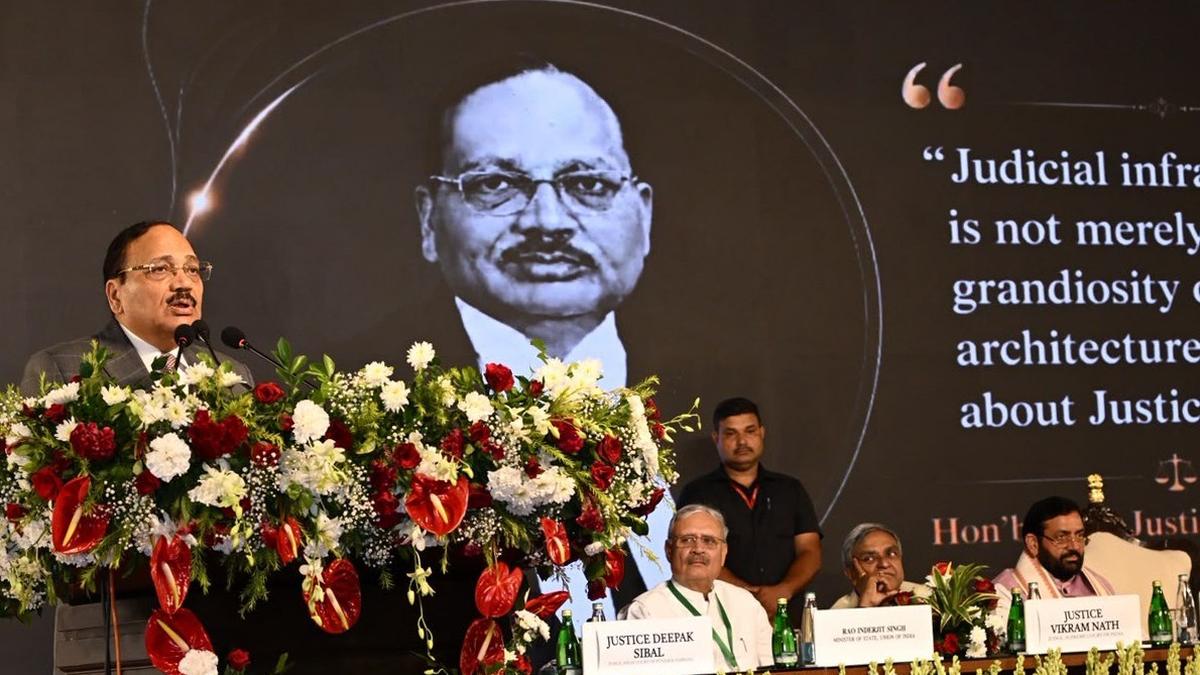
Chief Justice calls for mandatory facilities for women advocates, including separate bar rooms and adjoining childcare facilities, in all new court complexes
A New Era of Judicial Infrastructure: The 'Tower of Justice'
The inauguration of the 'Tower of Justice' in Gurugram by Chief Justice of India (CJI) Surya Kant marks a significant milestone in the modernization of India's judicial landscape. More than just an architectural achievement, the facility represents a strategic shift toward integrating contemporary social needs into the legal framework. By establishing a centralized, state-of-the-art hub for legal proceedings in one of India's fastest-growing corporate and industrial cities, the judiciary is aligning its physical presence with the rapid urban evolution of the National Capital Region (NCR).
Addressing Gender Disparity through Design
A pivotal aspect of CJI Surya Kant's address was the urgent call for "women-friendly judicial infrastructure." The insistence on mandatory separate bar rooms for women advocates is a direct acknowledgment of the systemic challenges women face within the court environment. Historically, court complexes across India have been designed with a male-centric perspective, often neglecting the specific privacy, safety, and comfort needs of women. By prioritizing dedicated spaces, the judiciary is actively working to dismantle the invisible barriers that have long hindered women's full and comfortable participation in the legal profession.
Dismantling the 'Motherhood Penalty' in Law
Perhaps the most progressive element of the CJI's mandate is the requirement for adjoining childcare facilities in all new court complexes. This move directly addresses the "motherhood penalty" often encountered in high-pressure legal careers. The legal profession is notorious for its grueling hours, unpredictable schedules, and the demand for constant presence in court, which frequently force women to choose between their professional ambitions and childcare responsibilities. Integrating creches or childcare centers within the judicial premises acknowledges the reality of working parents and provides a structural solution to improve the retention rates of female lawyers.
Implications for the Diversity of the Bar
This initiative is expected to have a profound impact on the diversity and inclusivity of the Bar. When infrastructure supports the specific needs of women, it signals a cultural shift toward inclusivity and institutional respect. The presence of specialized facilities reduces the logistical and emotional stress of practicing law, potentially encouraging a higher influx of women into the judiciary and senior advocacy. This is not merely a matter of convenience but a fundamental step toward achieving gender parity in the rooms where the law is argued, interpreted, and evolved.
The Future of Inclusive Judicial Planning
Looking forward, the 'Tower of Justice' serves as a blueprint for future judicial projects across the country. The CJI's directive suggests that the "standard" for new court complexes will no longer be defined solely by the number of courtrooms or the efficiency of filing systems, but by the inclusivity of the environment. This sets a precedent where "inclusive design" becomes a mandatory criterion in the planning and budgeting of judicial infrastructure, likely expanding in the future to include enhanced accessibility for persons with disabilities and other marginalized groups.
Conclusion
In summary, the inauguration of the 'Tower of Justice' is a landmark event that bridges the gap between legal administration and social empathy. By focusing on the practical needs of women advocates, CJI Surya Kant has highlighted that true justice is not only delivered through legal judgments but is also reflected in the environments where those judgments are pursued. This initiative marks the beginning of a more equitable era for the Indian legal community, ensuring that the halls of justice are truly open, safe, and welcoming to all practitioners regardless of gender.
Verification Required?