CJP to launch ‘Adivasi School Thik Karo’ campaign from Maharashtra on September 17
Source Entity
Latest News: Todays Latest News Headlines from India & World | Hindustan Times | Hindustan Times
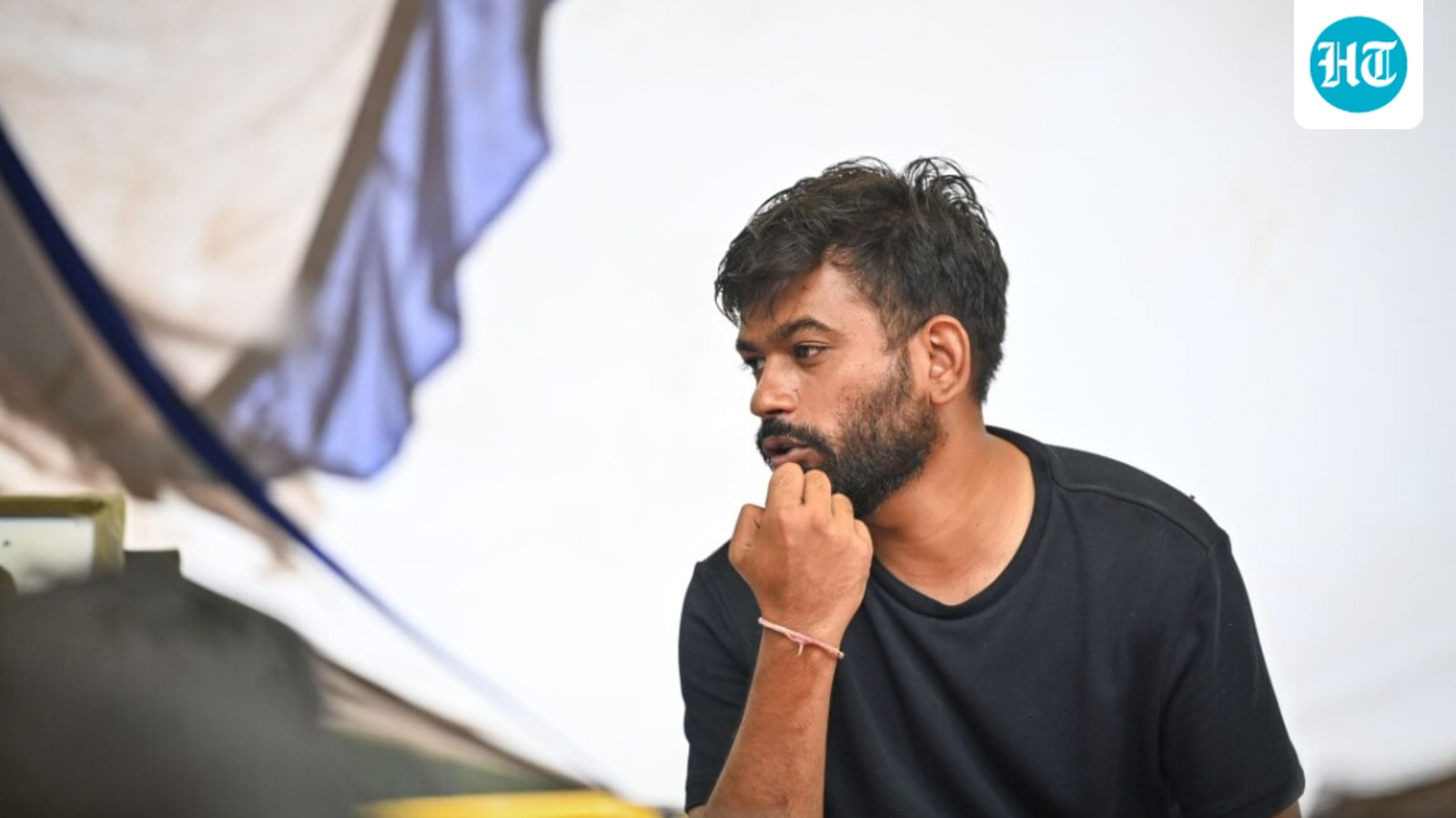
The Cockroach Janta Party (CJP), led by Abhijeet Dipke, is launching the 'Adivasi School Thik Karo' campaign in Maharashtra on September 17. This initiative aims to address systemic neglect and safety failures in tribal schools following recent tragic deaths.
Addressing Systemic Neglect: The 'Adivasi School Thik Karo' Campaign
On September 17, the Cockroach Janta Party (CJP), under the leadership of founder Abhijeet Dipke, is set to initiate the 'Adivasi School Thik Karo' (Fix Tribal Schools) campaign. Launching from the Gadchiroli district of Maharashtra, this movement seeks to confront what Dipke describes as eight decades of systemic government apathy toward tribal education. By conducting direct site inspections of tribal schools, the organization aims to document and publicize the precarious state of infrastructure and the lack of basic educational resources that have long plagued these marginalized communities.
The Catalyst for Action: Tragic Safety Failures
The urgency of this campaign is underscored by a recent, harrowing event in a government-aided ashramshala in Gadchiroli, where three tribal children tragically lost their lives to snakebites. This incident serves as a brutal indictment of the current safety standards in residential tribal schools. The campaign is not merely a policy critique but a response to immediate physical dangers that students face, prompting the CJP to focus its efforts on holding administrative bodies accountable for the safety and well-being of pupils within these institutions.
Broader Context of Educational Disparity
This initiative follows the CJP’s earlier 'School Thik Karo' campaign, which targeted broader deficiencies in rural and urban public schooling. By narrowing the focus to 'Adivasi' (tribal) schools, the organization highlights a specific layer of historical discrimination. The narrative presented by the CJP suggests that while public education has faced challenges nationwide, tribal regions have suffered from a unique, prolonged neglect that has resulted in crumbling infrastructure and restricted access to quality learning environments.
Legal and Social Pressure
The launch of this campaign occurs against a backdrop of significant social unrest, including hunger strikes by students across the tribal belt of Maharashtra. This grassroots activism has gained enough momentum to prompt a strong intervention from the Bombay High Court. A division bench, led by Acting Chief Justice Ravindra Ghuge and Justice Gautam Ankhad, has already issued stern directions to the state government, indicating that the judiciary is actively monitoring the state of these schools.
Challenges and Political Implications
The CJP’s campaign is not without its controversies. Recent reports of a purported resignation letter from Dipke, styling himself as the 'CM of MP,' have ignited public debate and led to calls for legal action against the founder. These political optics create a complex environment for the campaign, as critics may attempt to leverage the founder’s personal controversies to diminish the validity of the legitimate concerns being raised regarding tribal education.
Future Trends in Tribal Education Advocacy
Looking forward, the success of the 'Adivasi School Thik Karo' campaign will likely depend on the CJP's ability to maintain public pressure while navigating the legal scrutiny surrounding its leadership. The synergy between grassroots protest, judicial oversight, and organized inspection campaigns represents a shift toward more aggressive advocacy for tribal rights. If these inspections yield verifiable data on school infrastructure, it may force a permanent shift in how the state allocates resources to tribal districts, potentially setting a precedent for similar movements in other states facing comparable educational crises.
Multiple Citing Sources
Verification Required?