Bernstein expects ‘aggressive’ rulemaking from SEC, CFTC, following CLARITY Act failure
Source Entity
Cointelegraph by Zoltan Vardai
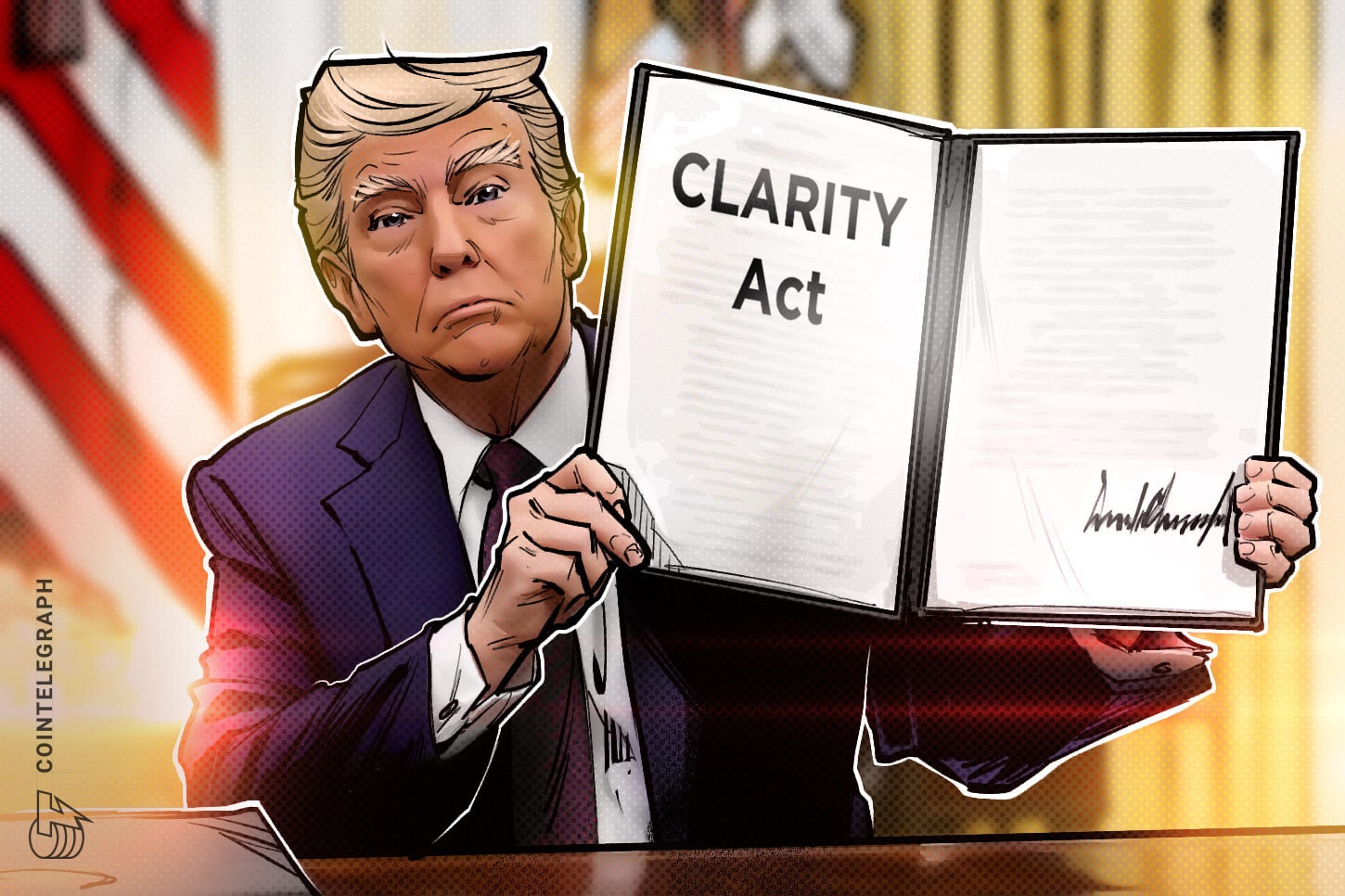
The failure of the CLARITY Act to pass a Senate cloture vote has prompted analysts to expect aggressive new rulemaking from the SEC and CFTC. Despite the setback, advocates suggest a renewed effort during the lame-duck session, even as partisan disagreements over crypto ethics persist.
The Regulatory Vacuum Following the CLARITY Act Standoff
The recent failure of the Digital Asset Market Clarity (CLARITY) Act to pass a Senate cloture vote represents a significant inflection point in the regulation of the U.S. digital asset landscape. For months, the bill has been at the center of a complex legislative tug-of-war, aimed at establishing a comprehensive market structure for cryptocurrencies. The breakdown of this legislative process has effectively shifted the momentum from Capitol Hill toward federal oversight bodies.
The Shift Toward Agency-Led Regulation
Following the legislative impasse, Bernstein analysts have projected that the U.S. Securities and Exchange Commission (SEC) and the Commodity Futures Trading Commission (CFTC) will likely pivot toward aggressive, swift rulemaking. This strategy is intended to fill the regulatory void created by the failed legislation. By utilizing their existing authority, these agencies aim to address critical areas such as token taxonomy for capital raising, developer protection measures, and the oversight of decentralized finance (DeFi) and self-custodial protocols.
Partisan Friction and Legislative Hurdles
The failure to secure a vote was driven by persistent disagreements between parties. While Republicans characterized their recent text as a "final offer," Senate Democrats expressed dissatisfaction with the bill’s specific provisions regarding crypto ethics. Meetings held in Senate Minority Leader Chuck Schumer’s office highlighted these fractures, with Senator Mark Warner confirming that Democrats were drafting a counterproposal even as procedural deadlines loomed.
Prospects for the Lame-Duck Session
Despite the current deadlock, the legislative window has not fully closed. Digital Sovereignty Alliance managing director Adrian Wall has indicated that there is still bipartisan interest in reviving the bill during the post-election lame-duck session. While Wall acknowledges that passing such complex legislation in a compressed timeframe is inherently difficult, the continued dialogue between senators suggests that the appetite for a structural crypto framework remains present.
Broader Implications for the Crypto Industry
The move toward agency-led regulation carries significant implications for the industry. If the SEC and CFTC proceed with aggressive rulemaking to compensate for the lack of congressional action, the crypto sector may face a period of heightened regulatory scrutiny and enforcement. This approach often results in "regulation by enforcement," which can create market uncertainty compared to the codified clarity that the CLARITY Act sought to provide.
Conclusion
Ultimately, the path toward a stable regulatory environment for digital assets remains precarious. Whether through a last-minute legislative compromise during the lame-duck session or a new wave of agency-driven rules, the U.S. government is clearly signaling that the status quo is unsustainable. Market participants must now prepare for a future defined by either rapid, agency-led rulemaking or a final, high-stakes attempt to codify market structure before the current Congress concludes.
Multiple Citing Sources