Columbia University Sued Over Failure To Protect Pro-Palestinian Students
Source Entity
NDTV News Search Records Found 1000
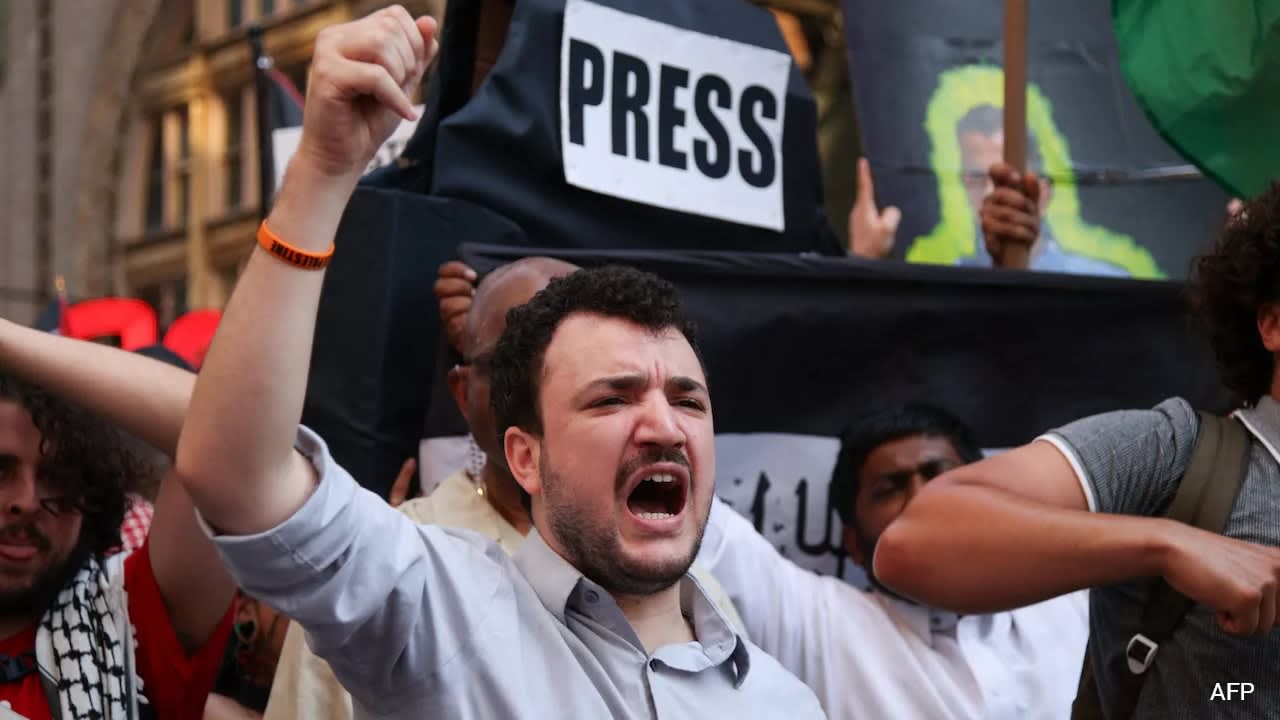
Mahmoud Khalil and other pro-Palestinian activists have filed a lawsuit against Columbia University, alleging the institution failed to protect them from targeting and harassment. The suit follows Khalil's March 2025 arrest by federal immigration authorities, which he claims was facilitated by the university's actions.
The Legal Challenge Against Columbia University
Mahmoud Khalil, a former student at Columbia University’s School of International and Public Affairs (SIPA), has initiated a significant legal battle against the institution. Alongside other pro-Palestinian student activists, Khalil filed a lawsuit on Monday alleging that the university failed to provide necessary protections for its students during a period of intense campus unrest. This litigation marks a pivotal moment in the ongoing discourse regarding university responsibility, academic freedom, and the safety of students involved in high-stakes political demonstrations.
The Role of the Student Mediator
For months, Khalil served as a critical liaison between student protesters and Columbia administrators. His role as a go-between during the demonstrations related to the Gaza war highlighted his deep involvement in campus advocacy. However, the transition from negotiator to plaintiff underscores a profound breakdown in the relationship between the student body and university leadership. Khalil’s lawsuit contends that while he worked to facilitate dialogue, the university stood by as he and other Palestinian students were subjected to targeted harassment and threats.
Federal Intervention and Immigration Concerns
The most grave allegations in the lawsuit concern the intersection of campus activism and federal law enforcement. In March 2025, Khalil, a U.S. green card holder, was arrested by federal immigration agents at his university residence. This event, which resulted in Khalil missing the birth of his first son while in detention, is framed in the lawsuit as the first instance of a broader campaign by the Trump administration to detain and deport foreign students based on their political support for Palestinian rights.
Allegations of Institutional Complicity
Central to the legal argument is the claim that Columbia University directly contributed to the targeting of its students. Khalil explicitly states that the university “laid the groundwork” for his detention by federal authorities. By highlighting this alleged collaboration, the lawsuit raises serious questions about the extent to which academic institutions share information with government entities and the potential consequences for student activists who hold non-traditional or controversial political views.
Broader Implications for Higher Education
The case of Mahmoud Khalil versus Columbia University serves as a case study for the mounting pressures facing private universities in the United States. As institutions struggle to balance the demands of safety, free speech, and compliance with federal immigration policies, the legal precedents set by this case could significantly alter how universities manage student advocacy. The outcome will likely influence how future student activists navigate the risks associated with public protest, particularly those who do not hold U.S. citizenship.
Concluding Perspectives
Ultimately, the litigation reflects a deepening divide in American higher education, where the rights of international students and the duty of care owed by universities are under intense scrutiny. As the legal process unfolds, the focus will remain on whether Columbia University failed to uphold its institutional obligations to protect its students from external political pressures. The resolution of this case will be closely watched by legal experts and academic administrators alike as they navigate the volatile intersection of campus protests and federal policy.
Verification Required?