‘I am in shock what has taken place’: McGregor after UFC return ends in 69 secs
Source Entity
The Indian Express
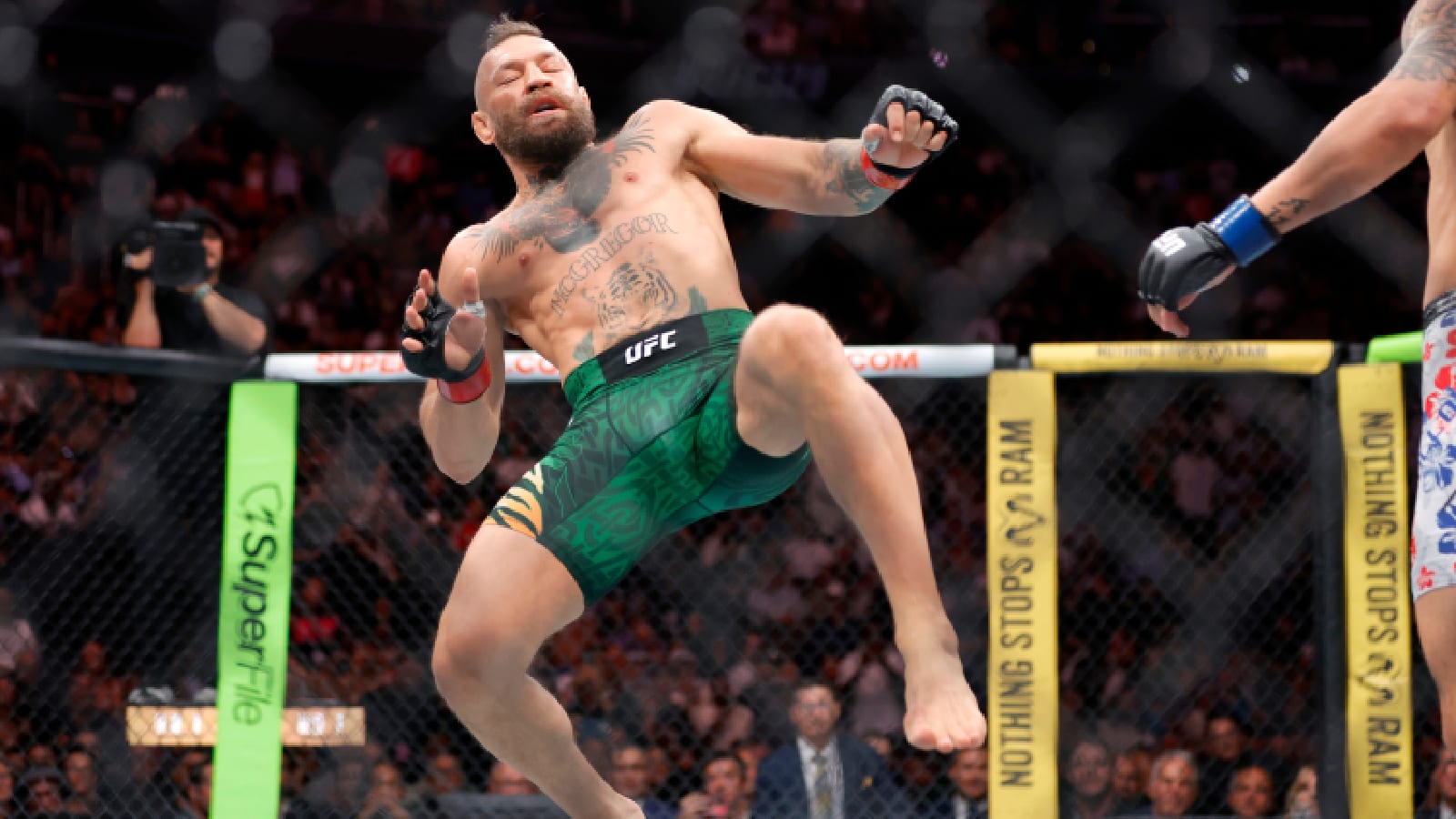
Irish star Conor McGregor‘s much anticipated return to the Octagon lasted just over a minute on Saturday after the 37-year-old blew out his knee against Max Holloway. The injury forced the fighter, wh...
A Devastating Return: The Collapse of the McGregor Comeback
The sporting world watched with bated breath as Conor McGregor, the most recognizable face in mixed martial arts history, stepped back into the Octagon. The anticipation surrounding this return was immense, blending the narrative of a fallen king seeking redemption with the commercial powerhouse of the UFC's biggest draw. However, the spectacle ended in a heartbreaking anti-climax, as the 37-year-old Irish superstar suffered a catastrophic knee injury just 69 seconds into his bout against Max Holloway, bringing an abrupt and shocking end to a fight that was expected to be a tactical war.
The Anatomy of a Sudden Failure
The brevity of the fight—lasting barely over a minute—highlights the precarious nature of professional combat sports. For McGregor, the physical failure of his knee was not just a medical incident but a symbolic collapse of the momentum he had spent months building. In a sport where timing, footwork, and explosive movement are the primary tools of a striker, a blown-out knee is a career-altering event. The suddenness of the injury, occurring so early in the first round, suggests a failure of structural integrity that likely occurred during a pivotal movement or impact, leaving McGregor physically incapacitated and emotionally stunned.
The Holloway Factor and Tactical Context
Facing Max Holloway added a layer of intensity to this return. Holloway, known for his relentless volume and exceptional cardio, represents a stylistic challenge that requires a fighter to be at their absolute peak of physical conditioning. By facing an opponent of Holloway's caliber, McGregor was attempting to prove that he could still compete with the elite of the current generation. The fact that the fight ended before any meaningful exchange could take place leaves a void of "what ifs," but it also underscores the risk McGregor took by returning to the cage at an age where the body is significantly more prone to severe ligament injuries.
The Age Wall and Athletic Decline
At 37, McGregor is entering the twilight of a professional fighter's prime. Historically, the lightweight and featherweight divisions are dominated by athletes in their mid-to-late 20s. The physical toll of McGregor's previous wars, combined with the natural degradation of joint health over time, likely contributed to this injury. This event serves as a stark reminder of the "age wall" in MMA; while the mental game and experience may sharpen with age, the elasticity of tendons and the resilience of cartilage inevitably decline, making high-impact pivots and strikes increasingly dangerous.
Psychological Aftermath and the "Shock" Factor
McGregor's post-fight admission—"I am in shock what has taken place"—reveals the deep psychological blow accompanying the physical injury. For an athlete whose persona is built on confidence, dominance, and meticulous preparation, such a sudden and uncontrollable failure is traumatizing. The shock stems not just from the pain of the injury, but from the realization that his body may no longer be capable of executing the will of his mind. This mental hurdle often proves more difficult to overcome than the physical rehabilitation process itself.
Broader Implications for the UFC
From a business perspective, this outcome is a significant setback for the UFC. McGregor remains a primary driver of Pay-Per-View (PPV) sales and global viewership. A return that ends in under 70 seconds due to injury provides little value to the fans and disrupts the promotional trajectory of the division. The organization now faces the challenge of managing the narrative around McGregor's future while Holloway is left without a definitive victory that satisfies the competitive hunger of the audience.
Conclusion: The Uncertain Future of a Legend
As McGregor begins the long road to recovery, the central question is whether this injury marks the definitive end of his competitive career. While modern sports medicine can repair a knee, the explosive agility required for McGregor's signature striking style may never fully return. If he chooses to fight again, he will do so under a cloud of doubt regarding his durability. This event stands as a poignant chapter in McGregor's legacy, reminding us that in the Octagon, the most formidable opponent is often one's own physical limitation.