Cop31: First time since 2009, climate meet fails to reach consensus
Source Entity
VISHWA MOHAN
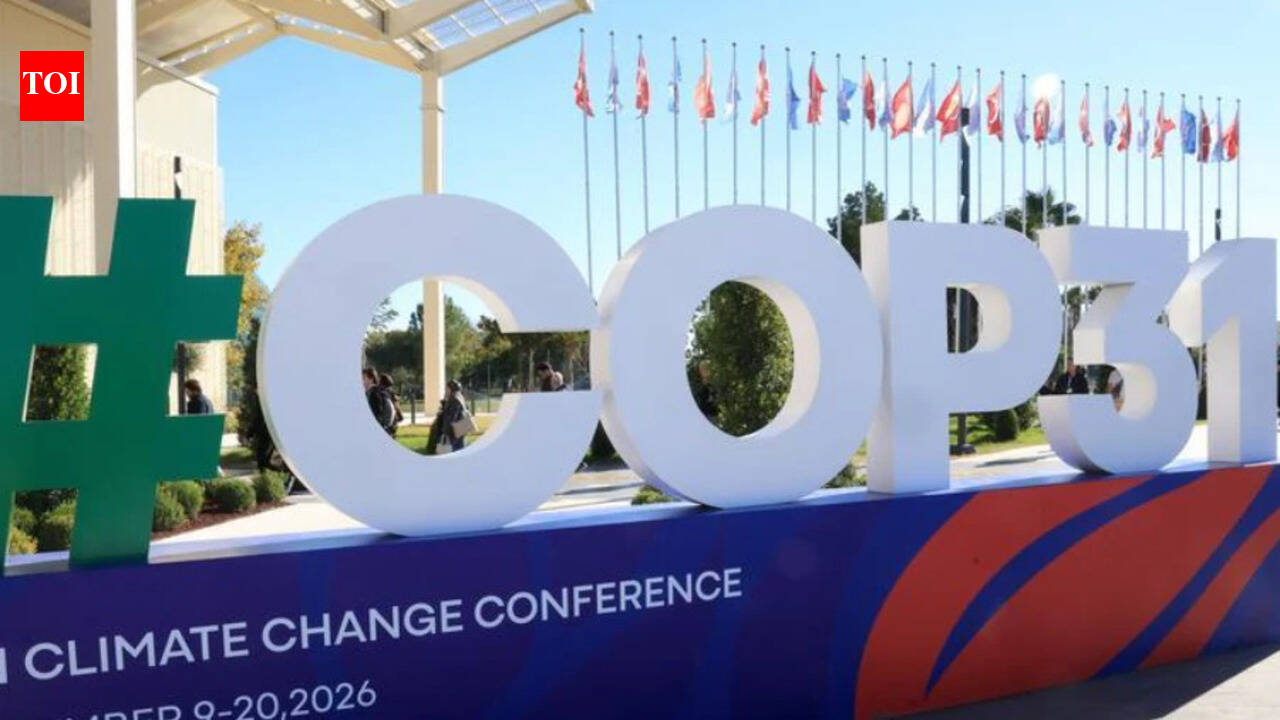
The COP31 climate summit in Antalya has become the longest in history, stalled by disagreements over a proposed 1-billion-tonne carbon capture target. The European Union has rejected the current draft for failing to explicitly address the phase-out of fossil fuels.
The COP31 Impasse: Carbon Capture and the Fossil Fuel Debate
The COP31 United Nations Climate Summit in Antalya, Turkey, has entered uncharted territory, officially becoming the longest-running climate summit in history. As negotiations stretched well beyond the original November 20 deadline, the primary point of contention has coalesced around the role of carbon capture technology versus the necessary phase-out of fossil fuels. The current draft, championed by hosts Türkiye and Australia, has sparked significant international backlash for its omission of coal, oil, and gas, which remain the primary drivers of global warming.
The Carbon Capture Controversy
At the center of the dispute is a proposed goal to capture 1 billion tonnes of carbon. While proponents argue that this technology is essential for industrial sectors that cannot easily transition to renewable energy, critics view it as a dangerous distraction. The fundamental difference between carbon capture—which traps emissions at the source, such as factory chimneys—and carbon removal—which extracts existing CO2 from the atmosphere—remains a poorly understood but vital distinction. Critics fear that focusing on capture allows polluters to continue business-as-usual operations under the guise of technological mitigation.
The EU Stance: Resisting Greenwashing
The European Union has taken a firm stand against the 'Antalya pact' in its current form. Irish Minister Darragh O'Brien, speaking on behalf of the EU delegation, explicitly stated that the union would not endorse any agreement that fails to mention fossil fuels. The EU's primary concern is that the current draft represents a 'backward' step in climate policy, effectively 'greenwashing' fossil fuels by shifting the narrative toward capture technologies rather than addressing the root cause of the climate crisis.
The 1.5C Threshold and Global Climate Goals
Beyond the debate on capture technology, nations remain deeply divided over how to respond to the imminent breach of the 1.5C global warming threshold. This target, established under the Paris Agreement, is increasingly viewed as being at risk. By failing to include fossil fuels in the draft, the current COP31 negotiations are being criticized for ignoring the scientific consensus that an immediate reduction in fossil fuel reliance is mandatory to keep the 1.5C goal within reach.
Future Implications and Policy Trends
The outcome of COP31 will likely set a precedent for how international climate agreements treat 'techno-fixes' like carbon capture. If the final agreement excludes fossil fuel language, it may signal a shift in U.N. summits toward industrial-led mitigation strategies rather than the systemic transformation of energy markets. Conversely, the EU's rejection suggests that a significant bloc of nations remains committed to the principle that climate action must prioritize the elimination of the primary drivers of greenhouse gas emissions.
Conclusion
As the summit enters its final, extended hours, the tension between technological optimism and the hard reality of fossil fuel dependency remains unresolved. Whether the 'Antalya pact' can be salvaged to include explicit commitments to phase out fossil fuels, or if it will be remembered as a missed opportunity, remains to be seen. The summit serves as a stark reminder that as the planet nears critical climate tipping points, the path forward remains obstructed by competing economic and environmental priorities.
Multiple Citing Sources