Which States have banned cow slaughter in India?
Source Entity
India Latest News: Top National Headlines Today & Breaking News | The Hindu
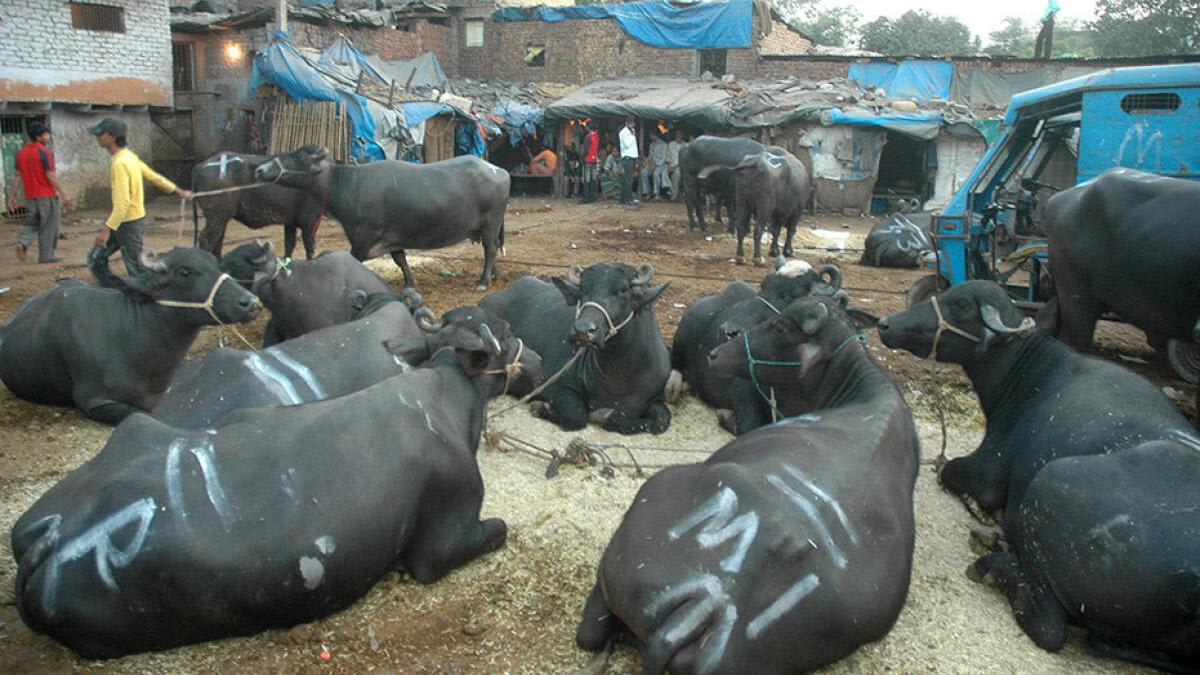
The slaughter, processing, and transport of bovine animals is governed by differing state legislation.
Understanding the Legal Landscape of Bovine Slaughter in India
In India, the legality of the slaughter, processing, and transport of bovine animals is not governed by a single, uniform federal law, but rather by a complex patchwork of state-specific legislation. This fragmentation reflects the diverse cultural, religious, and economic priorities across the Indian subcontinent. While the cow holds immense religious significance for a majority of the population, the economic utility of bovine livestock varies, leading to a legal environment where an act may be a severe criminal offense in one state and entirely legal in another.
The Constitutional Foundation
To understand why these laws vary, one must look at the Constitution of India. Article 48, located within the Directive Principles of State Policy, urges the State to organize agriculture and animal husbandry on modern and scientific lines and specifically mentions that the State shall endeavor to prohibit the slaughter of cows and calves. Because Directive Principles are not enforceable by courts but are fundamental in the governance of the country, they provide the moral and political impetus for state governments to enact their own specific prohibitions. This constitutional nudge has led to a spectrum of laws across different jurisdictions.
State-Wise Divergence in Legislation
The actual implementation of these directives varies wildly. In states like Gujarat, Madhya Pradesh, and Rajasthan, the laws are stringent, often imposing total bans on the slaughter of cows and bulls, accompanied by heavy fines and imprisonment. In contrast, other states employ a more nuanced approach; some allow the slaughter of animals that are certified as 'unfit for breeding' or are over a certain age, provided a government-authorized veterinarian provides a certificate. Meanwhile, states such as Kerala and West Bengal have historically maintained more lenient policies or no bans at all, reflecting different regional socio-economic needs and cultural norms.
Regulations on Transport and Processing
Beyond the act of slaughter itself, the 'processing and transport' mentioned in the context is a critical point of legal contention. Many states have enacted strict laws prohibiting the transport of cattle across state borders if there is a suspicion that the animals are being moved for slaughter. These transport laws are often more aggressively enforced than the slaughter bans themselves, as they serve as a primary mechanism for state authorities to intercept the bovine trade. This has created a high-stakes environment for livestock traders, who must navigate a maze of permits and certifications to move animals legally between states.
Socio-Economic and Legal Implications
The disparity in these laws has profound implications for India's economy and social fabric. The leather industry, a significant export earner for India, relies heavily on bovine hides, and the variation in state laws affects the supply chain and processing costs. Furthermore, the enforcement of these laws has occasionally led to social tension and the rise of non-state actors attempting to enforce bans through vigilantism. From a legal perspective, the judiciary is frequently called upon to balance the 'right to trade' under the Constitution with the state's power to protect animals based on public sentiment and Directive Principles.
Future Trends and Conclusion
Looking forward, the trend suggests a leaning toward stricter bovine protection laws in states governed by conservative political ideologies, while others may continue to prioritize economic pragmatism. The tension between the religious sanctity of the cow and the economic realities of the livestock industry is likely to persist. Ultimately, the bovine slaughter framework in India remains a primary example of how federalism allows for regional autonomy in addressing sensitive cultural issues, though it continues to present significant challenges for national trade and social cohesion.
Verification Required?