Probe sex assault case against Nagina MP Azad, court directs Delhi cops
Source Entity
KOUSHIKI SAHA
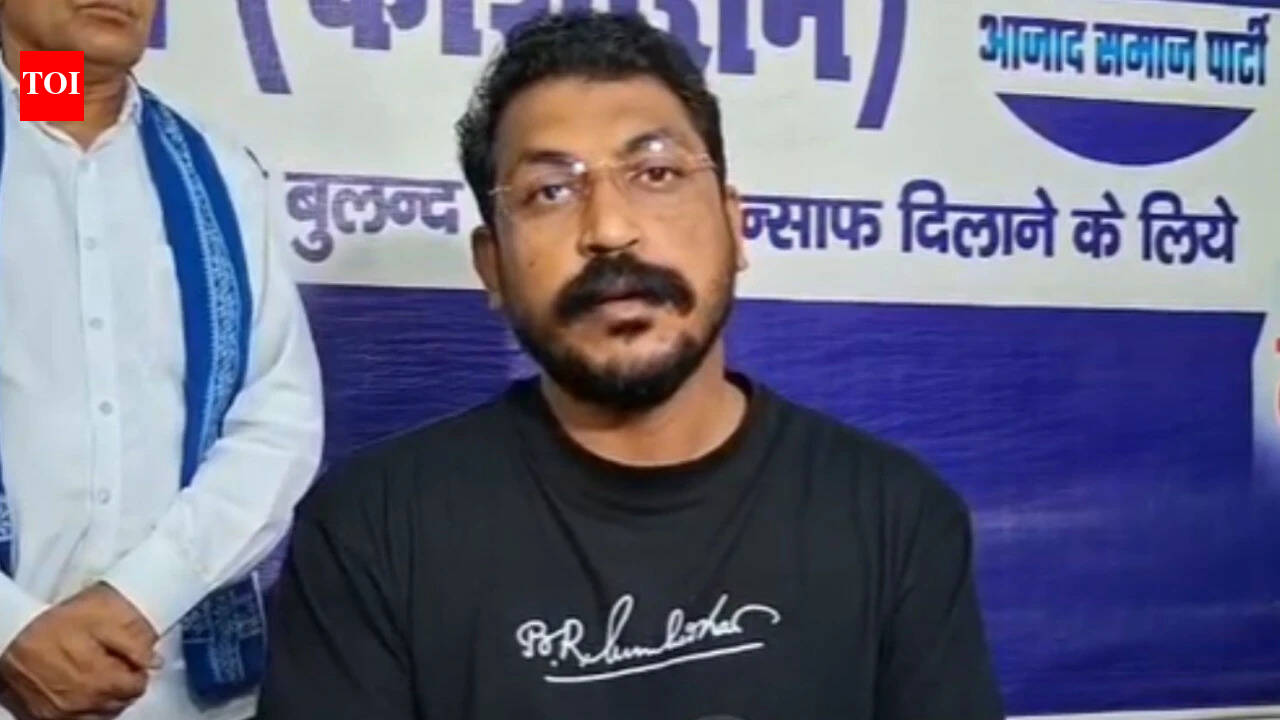
A Delhi court has denied a police request for more time to investigate a sexual assault complaint against Nagina MP Chandrashekhar Azad. The court mandated the completion of the inquiry, noting the seriousness of the allegations involving rape under the pretext of marriage.
Judicial Oversight in the Case of Chandrashekhar Azad
A Delhi court has issued a significant directive regarding an ongoing inquiry into a sexual assault complaint filed against Nagina Member of Parliament, Chandrashekhar Azad. The complainant alleges that the MP engaged in sexual relations under the false pretext of marriage, a serious charge that has now moved into the focus of the judicial system. By rejecting the Delhi Police's request for additional time to complete their preliminary inquiry, the court has signaled a firm stance on the necessity of procedural urgency in cases involving high-profile public figures.
The Nature of the Allegations
The core of the legal dispute rests on the complainant's assertion that she was subjected to sexual assault under the promise of marriage. This specific legal argument—often referred to as 'rape on the pretext of marriage'—is a complex area of Indian criminal law. The complainant has further argued that the police failed to register an FIR, prompting the court's intervention to ensure that the investigation proceeds without undue delay. The court’s refusal to grant the police more time underscores the gravity of the accusations, as it pointedly noted that the alleged offense carries a potential sentence of life imprisonment.
Judicial Expectations and Police Accountability
The court's decision to deny the police’s plea for more time highlights a critical tension between investigative thoroughness and the right to a timely resolution for victims. In the Indian legal landscape, the prompt registration of an FIR is a mandatory requirement under Section 154 of the Code of Criminal Procedure when a cognizable offense is disclosed. By pushing back against the police's request for an extension, the judiciary is asserting its role as a watchdog, ensuring that the investigative machinery does not stall, particularly when the accused occupies a position of significant political power.
Broader Implications for Public Officials
As a sitting Member of Parliament, Chandrashekhar Azad’s legal challenges carry inherent political weight. This case serves as a broader reminder of the scrutiny that public representatives face when confronted with criminal allegations. The judiciary’s insistence on a swift inquiry reinforces the principle that no individual, regardless of their political standing or legislative status, is exempt from the rigors of the legal process. This development is likely to spark intense public discourse regarding the intersection of political influence and the accountability of elected officials.
Future Trajectory and Legal Outlook
Moving forward, the investigation will likely face heightened public and judicial oversight. The court’s explicit mention of the severity of the potential punishment indicates that the legal proceedings will be treated with extreme caution. Future trends in this case will likely involve the police filing a status report or moving toward the registration of an FIR, depending on the findings of their inquiry. The resolution of this matter will be a litmus test for the independence of law enforcement agencies when dealing with high-profile defendants in sensitive cases.