Section 163 Enforced As Delhi Police Detain Protesters Outside Akashvani Bhavan | HT India
Source Entity
Latest News: Todays Latest News Headlines from India & World | Hindustan Times | Hindustan Times
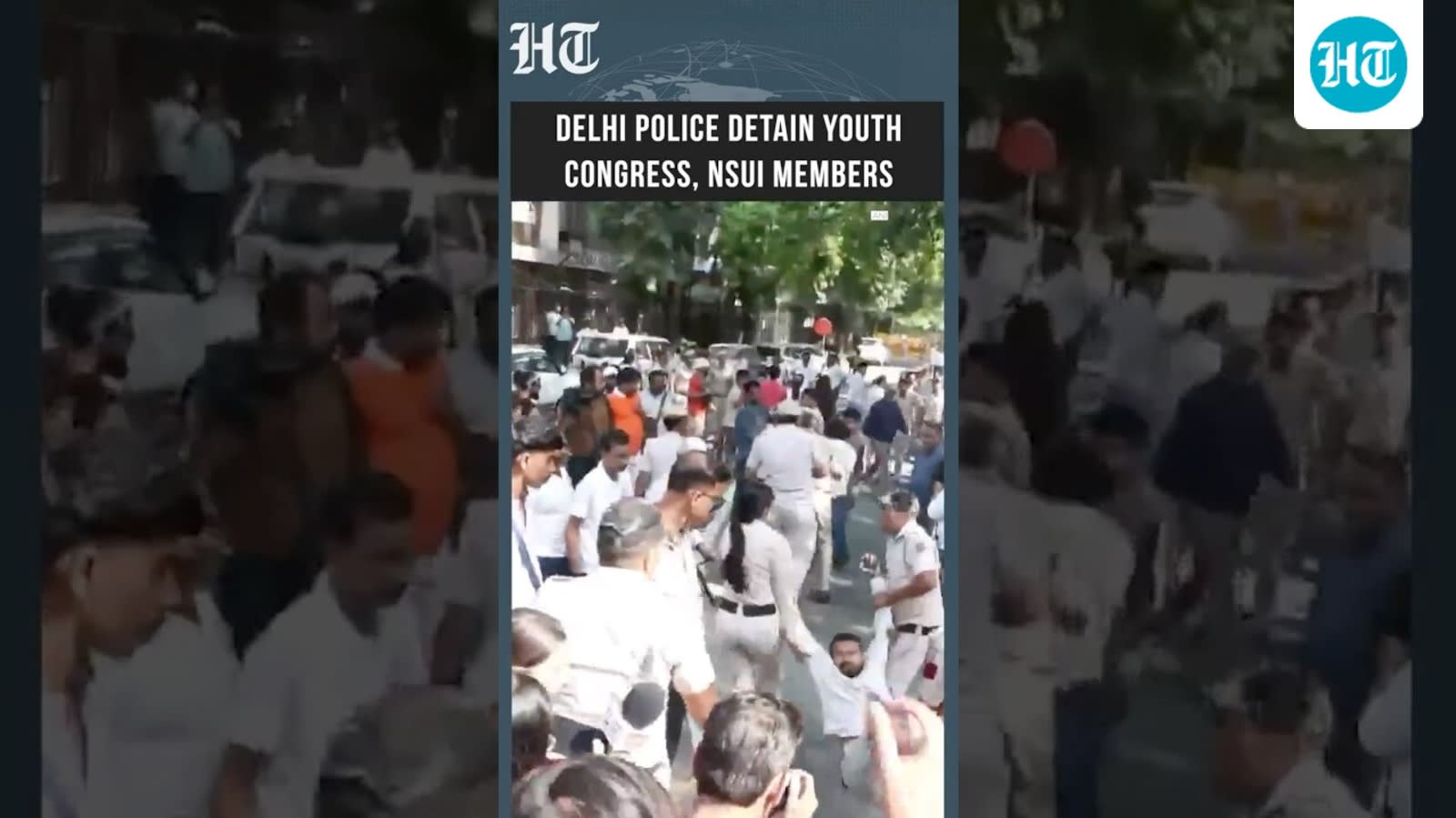
Delhi Police detained Indian Youth Congress and NSUI workers protesting outside Akashvani Bhavan. The detentions followed the enforcement of Section 163 of the BNSS to maintain order.
Tensions Rise in Delhi: Protests and Police Action at Akashvani Bhavan
Recent reports indicate a flare-up of political activity in the national capital, as workers from the Indian Youth Congress and the National Students' Union of India (NSUI) gathered outside Akashvani Bhavan. The demonstration, which occurred amidst broader opposition-led protests, prompted an immediate response from law enforcement, leading to the detention of several activists. This incident underscores the ongoing friction between opposition groups and the state apparatus in Delhi.
The Application of Section 163 BNSS
To manage the crowd and maintain public order, Delhi Police invoked Section 163 of the Bharatiya Nagarik Suraksha Sanhita (BNSS). This legal provision, which replaced the older Section 144 of the Code of Criminal Procedure (CrPC), allows authorities to impose prohibitory orders to prevent unlawful assemblies that could potentially disrupt public peace. The swift application of these powers reflects a proactive approach by law enforcement to control sensitive areas near government installations.
Political Context and Opposition Dynamics
The involvement of the Indian Youth Congress and the NSUI highlights the active role of student and youth wings in the current political landscape. These organizations often serve as the frontline for opposition parties, mobilizing support for various causes. By staging protests at significant locations like Akashvani Bhavan, these groups aim to maximize visibility and bring their grievances directly to the seat of administrative power.
The Role of Akashvani Bhavan
Akashvani Bhavan, as a key site of state broadcasting, holds symbolic importance. Demonstrations at such locations are frequently intended to draw attention to policies or actions that the opposition deems unfavorable. For the state, securing such facilities is a priority to ensure the continuity of government communication and to prevent unauthorized access or disruption to public infrastructure.
Broader Implications and Future Trends
The use of BNSS provisions to regulate public assembly is becoming a frequent feature in the Indian administrative response to political protest. As political polarization continues, it is likely that authorities will remain vigilant, utilizing legal frameworks like Section 163 to preemptively curtail gatherings. This trend suggests a challenging environment for civil society groups and opposition parties as they navigate the balance between the right to protest and the state's mandate to maintain security.
Conclusion
The detention of protesters at Akashvani Bhavan serves as a stark reminder of the volatile intersection between political activism and public order. While the opposition continues to utilize public spaces to voice dissent, the state's reliance on the BNSS indicates a firm stance on regulating these activities. Moving forward, the effectiveness of these protests—and the legality of the police response—will remain a subject of intense public and political scrutiny.
Verification Required?