Delhi Police considered reporter jackets, press IDs to distinguish journalists from ‘reel-makers’ during anti-SIR protests
Source Entity
India Latest News: Top National Headlines Today & Breaking News | The Hindu
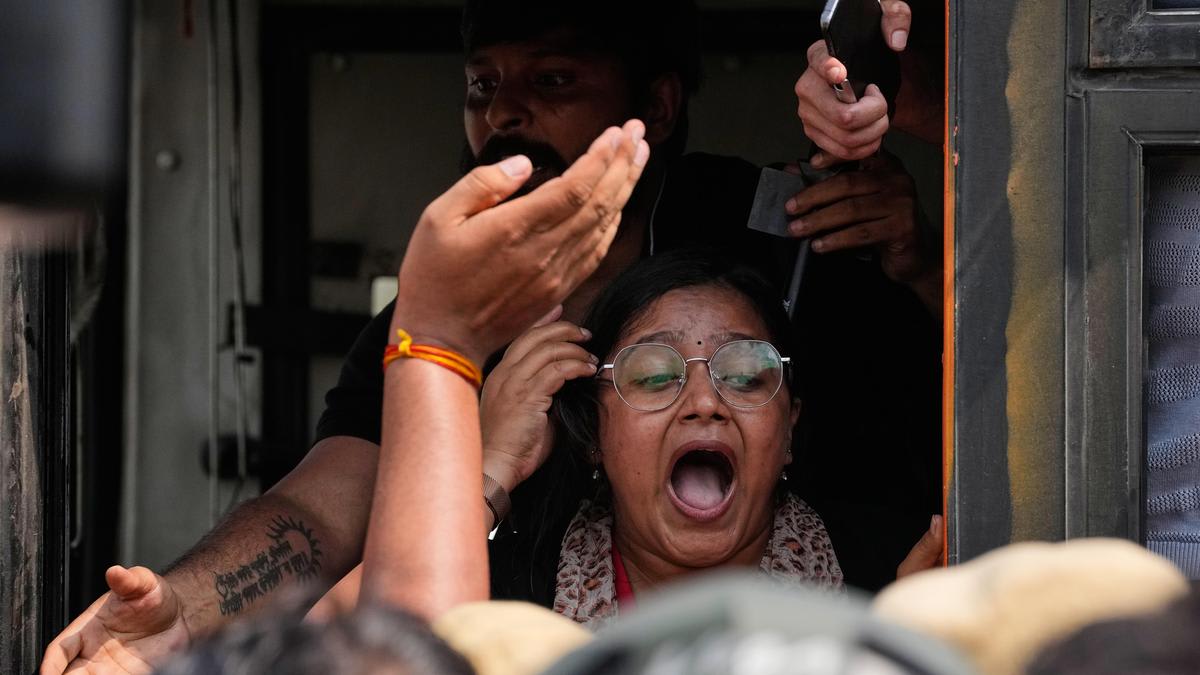
Delhi Police considered issuing specialized vests and IDs to journalists during anti-SIR protests to distinguish them from content creators. However, the plan was abandoned due to concerns that such credentials could be easily forged, exacerbating security risks.
The Challenge of Media Identification in Modern Protests
During the anti-SIR protests in Delhi this past October, the Delhi Police faced an unprecedented operational challenge: accurately identifying legitimate journalists amidst a sea of protesters and social media content creators. As digital media has democratized the ability to document public unrest, the line between professional news reporters and individuals creating 'reels' or social media content has become increasingly blurred. This ambiguity created significant difficulties for law enforcement officials tasked with crowd management and ensuring the safety of all parties involved.
The Proposed Identification Framework
In an effort to mitigate these challenges, senior Delhi Police officials explored the possibility of implementing a standardized identification system. The proposal involved issuing high-visibility reporter vests branded with official police recognition, alongside specialized identification cards. The primary objective was to create a visual distinction that would allow officers to quickly recognize accredited mediapersons on the ground, thereby facilitating smoother crowd control and protecting journalists from the volatility of the protests.
Security Concerns and the Risk of Replication
Despite the clear utility of such a system, the initiative was ultimately abandoned before implementation. Senior officers expressed valid concerns regarding the integrity of the proposed identification materials. In a high-stakes environment, the risk that these vests and cards could be easily replicated by bad actors—or even by protesters posing as journalists to gain proximity to restricted areas—was deemed too high. The police feared that fraudulent credentials would not only fail to solve the problem but could actually introduce a new layer of deception that might further complicate law-and-order operations.
The Rise of the 'Reel-Maker' Phenomomenon
This incident highlights a broader shift in how public events are documented. The emergence of 'reel-makers'—individuals who capture protest footage for social media engagement—has fundamentally changed the dynamics of public demonstrations. Unlike traditional media organizations, which operate under established ethical guidelines and institutional accountability, these independent creators often lack formal accreditation. This makes it difficult for security agencies to distinguish between professional reporting and individuals whose primary goal might be sensationalism or disruptive documentation.
The Dilemma of Law Enforcement Strategy
The Delhi Police’s decision to shelve the proposal underscores the persistent dilemma between maintaining public order and upholding the freedom of the press. While the police aimed to protect legitimate journalists, the potential for security breaches through forged credentials forced a retreat. This highlights the difficulty of managing media access in an era where anyone with a smartphone can effectively act as a reporter, forcing agencies to constantly re-evaluate how they balance security with the necessity of public transparency.
Concluding Perspectives on Future Crowd Management
The situation in October serves as a case study for future protest management in urban centers. As the influence of social media continues to grow, the need for a robust, tamper-proof system for media identification remains a critical issue for law enforcement globally. Future solutions may need to move beyond simple physical vests and toward more sophisticated, verifiable digital accreditation methods to ensure that the press remains protected without compromising the security of the protest site.
Verification Required?