Heavy rain likely across several states this week; Delhi surpasses Aug average
Source Entity
TOI NEWS DESK
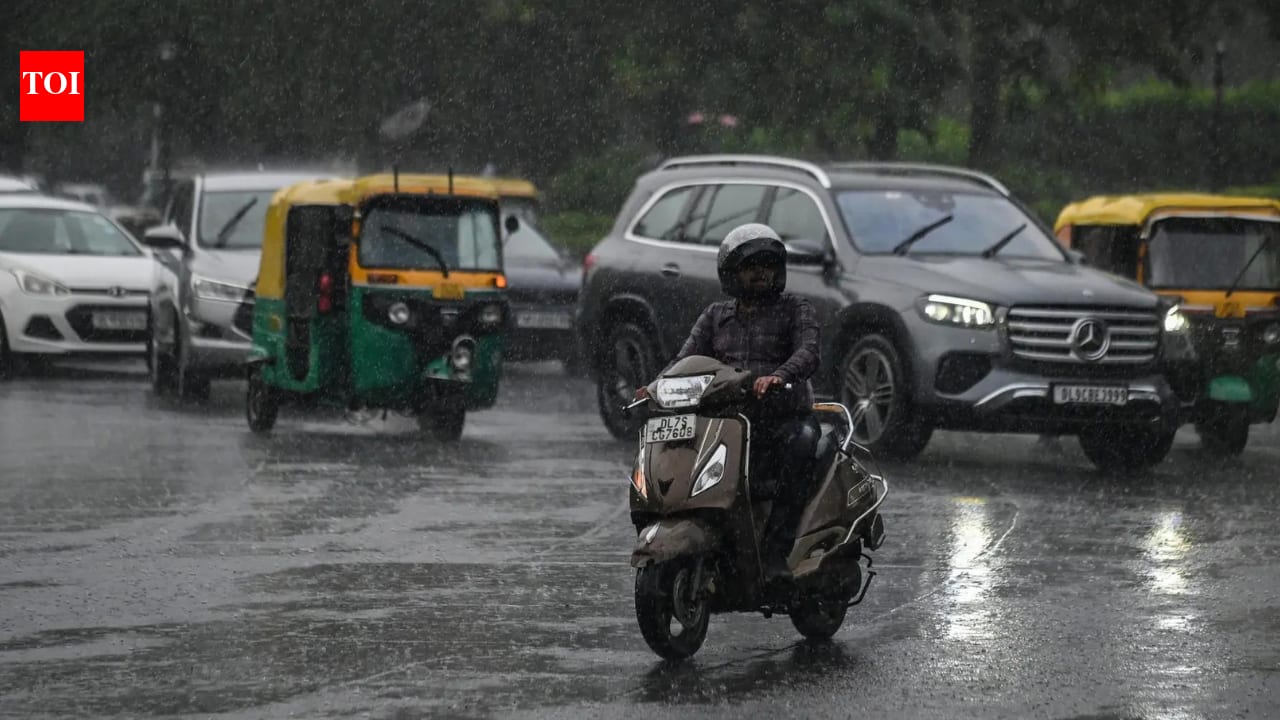
Delhi has surpassed its average August rainfall within just eight days, signaling intense monsoon activity. While recent rains have helped narrow the kharif crop sowing gap, lingering El Niño concerns continue to threaten agricultural stability.
The Dual Nature of India's Monsoon: Rainfall Surges and Agricultural Uncertainty
Recent meteorological data indicates a significant shift in India's monsoon patterns, characterized by intense, localized precipitation and ongoing concerns regarding long-term climate drivers. Delhi, for instance, has already surpassed its average August rainfall within the first eight days of the month, with the Safdarjung observatory recording 230.1 mm. This sudden surge reflects a broader trend of erratic weather that has left urban centers grappling with sudden water accumulation while simultaneously highlighting the unpredictable nature of the current monsoon season.
The Impact of Monsoon Revival on Kharif Sowing
The Southwest monsoon’s revival in July has provided a critical lifeline to India’s agrarian economy. Earlier in the season, the data from the Agriculture Ministry revealed a concerning lag in planting; as of July 6, farmers had sown only 350.85 lakh hectares (lh), representing a 20.8% deficit compared to the 442.80 lh recorded during the same period in 2025. This shortfall was particularly pronounced in essential commodities, with oilseeds, pulses, and cotton seeing acreage gaps of 39.3%, 21.8%, and 23% respectively. The recent rainfall has been instrumental in narrowing these gaps, offering a reprieve to farmers who rely on timely moisture to secure their harvests.
The Lingering Shadow of El Niño
Despite the recent improvement in rainfall, experts warn that the threat posed by a strengthening El Niño is far from resolved. El Niño is historically associated with suppressed monsoon rainfall in India, which can lead to severe agricultural stress. The concern is underscored by the economic stakes: in the 2025-26 fiscal year, India’s import bill for oilseeds, pulses, and cotton reached nearly $25 billion. There is a palpable fear that if El Niño continues to influence weather patterns, these import costs could escalate to new highs, putting additional pressure on the domestic economy and inflation.
Navigating Climate Volatility
The juxtaposition of record-breaking rainfall in cities like Delhi and the structural deficit in agricultural sowing highlights the complexity of climate-driven weather events. While short-term precipitation helps replenish reservoirs and soil moisture, it does not necessarily offset the systemic risks posed by a delayed or erratic planting season. The agricultural sector remains highly sensitive to these fluctuations, as the timing of the rain is often just as critical as the total volume received.
Future Trends and Resilience
Looking ahead, the interplay between localized weather events and global climate phenomena like El Niño will likely remain a defining challenge for India. The reliance on the monsoon necessitates a more robust framework for water management and crop diversification to mitigate the impacts of such volatility. As India continues to balance its massive agricultural output with the realities of a changing climate, monitoring the recovery of kharif sowing alongside regional rainfall data will be essential for both policy makers and the broader economic landscape.