Delhi UPSC teacher ‘helped’ Lawrence Bishnoi gang threaten businessman, arrested
Source Entity
Alok Singh
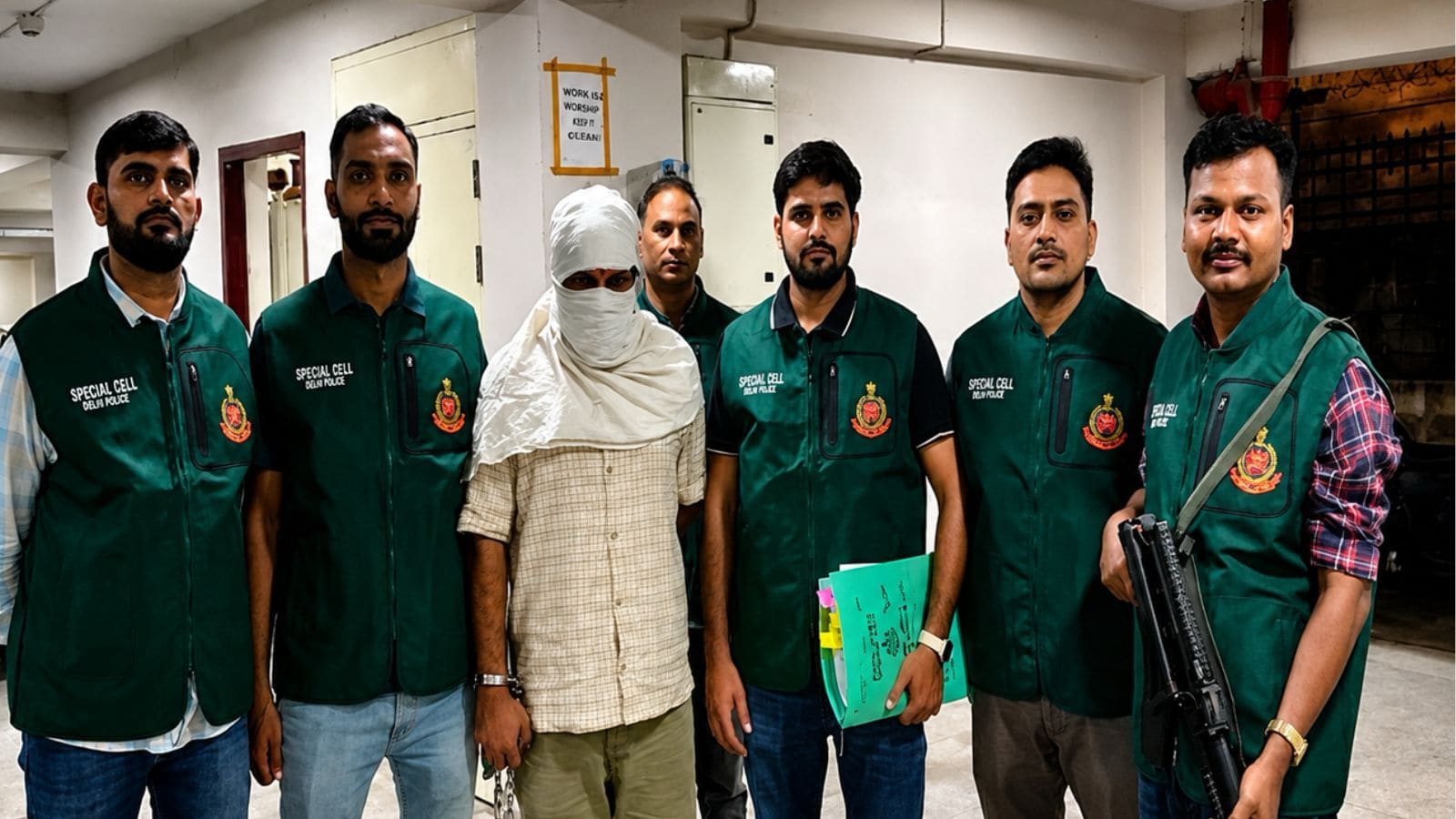
For years, Math teacher Amit Bishnoi was known in Delhi’s Mukherjee Nagar for helping students prepare for competitive examinations. Delhi Police now allege that the 35-year-old was living a double li...
The Dual Life of an Educator: Unmasking Criminal Ties in Delhi's Academic Hub
In a startling revelation that has sent shockwaves through Delhi's educational circles, the arrest of Amit Bishnoi, a 35-year-old Mathematics teacher, highlights a disturbing intersection between organized crime and the city's academic infrastructure. Bishnoi, who was well-regarded in Mukherjee Nagar—a neighborhood synonymous with the intense preparation for the Union Public Service Commission (UPSC) examinations—allegedly utilized his professional standing as a facade to facilitate the criminal activities of the notorious Lawrence Bishnoi gang. The arrest underscores the sophisticated nature of modern gang operations, where members or associates embed themselves into respectable societal roles to avoid detection and expand their influence.
The Paradox of Mukherjee Nagar
Mukherjee Nagar serves as the epicenter for thousands of aspirants dreaming of civil service careers, characterized by a culture of discipline, intellectual rigor, and ambition. The allegation that a teacher within this ecosystem was actively collaborating with a gang known for extortion and violence creates a profound paradox. This case suggests that the gangs are no longer operating solely from the fringes of society or from prison cells; they are infiltrating professional spaces. By maintaining a public persona as a mentor to future bureaucrats, the suspect likely enjoyed a level of social trust and anonymity that allowed him to operate as a conduit for the gang's threats against businessmen without raising immediate suspicion.
The Reach of the Lawrence Bishnoi Syndicate
The Lawrence Bishnoi gang has evolved into one of India's most feared transnational criminal networks, known for its rigid hierarchy and its ability to orchestrate crimes across state and national borders. The gang's strategy often involves targeting wealthy individuals or public figures through extortion and intimidation. The use of an associate like Amit Bishnoi indicates a strategic shift toward using 'white-collar' intermediaries. These individuals provide the gang with a layer of insulation, acting as intermediaries who can communicate threats or manage logistics while maintaining a plausible deniability that traditional street-level gangsters cannot achieve.
Broader Implications for Law Enforcement
This incident poses a significant challenge for the Delhi Police and national intelligence agencies. It demonstrates that traditional profiling of criminal suspects—which often focuses on known offenders or those with visible criminal records—is insufficient. The 'sleeper cell' approach adopted by the Bishnoi gang requires law enforcement to adopt more comprehensive surveillance and financial auditing techniques to uncover hidden associations. The fact that a professional educator was involved suggests that the gang's recruitment or partnership strategies may be targeting individuals with specific social capital or intellectual capabilities to better manage their illicit operations.
Predicting Future Trends in Organized Crime
Looking forward, it is probable that organized crime syndicates in India will continue to diversify their fronts. We may see an increase in 'professional' associates—lawyers, accountants, or educators—who provide the logistical and intellectual framework for criminal enterprises. This trend necessitates a more integrated approach to policing, where social behavioral analysis and digital forensics are used to identify anomalies in the lives of individuals who appear superficially law-abiding but maintain clandestine links to underworld figures. The pressure on the state to secure educational hubs from such infiltration will likely lead to stricter vetting processes for those operating in high-density student areas.
Conclusion
The arrest of Amit Bishnoi is more than a localized crime story; it is a cautionary tale about the evolving face of organized crime in urban India. The betrayal of the educator-student trust is perhaps the most damaging aspect of this case, as it taints the sanctity of the academic environment in Mukherjee Nagar. As the investigation unfolds, the primary goal for authorities will be to determine the extent of Bishnoi's involvement and whether other professional facades are being used by the Lawrence Bishnoi gang to maintain their grip on the city's underworld.