Fitness coach Devin Physique says endless crunches won't burn belly fat; here's what works instead
Source Entity
Latest News: Today's Latest News Headlines from India & World | Hindustan Times | Hindustan Times
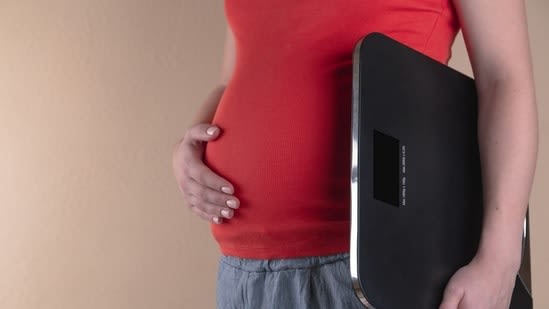
Crunches alone won't flatten your stomach. Here’s what you need to do to get rid of that stubborn belly fat.
The Myth of Spot Reduction: Analyzing Devin Physique's Approach to Belly Fat
For decades, a common misconception in the fitness industry has been the idea of "spot reduction"—the belief that exercising a specific muscle group will lead to the burning of fat in that exact area. Fitness coach Devin Physique has recently addressed this fallacy, stating explicitly that endless crunches will not flatten a stomach or eliminate belly fat. This insight aligns with established sports science, which posits that fat loss occurs systemically across the entire body rather than in isolated pockets, regardless of which muscles are being contracted during exercise.
The Science Behind Why Crunches Fail as Fat Burners
To understand why Devin Physique's claim is accurate, one must look at the physiological process of lipolysis. When the body requires energy, it breaks down triglycerides stored in adipose tissue into fatty acids, which are then released into the bloodstream to be used as fuel by various muscles. Crucially, the body decides where this fat is mobilized from based on genetics and hormonal profiles, not based on which muscle is working. While crunches are excellent for strengthening the rectus abdominis (the "six-pack" muscle), they do very little to reduce the layer of subcutaneous fat covering those muscles. Therefore, one can have incredibly strong abdominal muscles that remain invisible due to an overlying layer of fat.
The Primacy of Caloric Deficit and Nutrition
As Physique suggests, the real "work" of losing belly fat happens through a combination of nutrition and overall energy expenditure. The fundamental principle of weight loss is the caloric deficit—consuming fewer calories than the body expends. Because belly fat is often the most stubborn due to a higher density of alpha-receptors (which slow down fat mobilization), a strict focus on diet is paramount. Prioritizing lean proteins, complex carbohydrates, and healthy fats ensures that the body remains in a state where it can efficiently mobilize stored energy, eventually reaching the abdominal region as overall body fat percentage drops.
Shifting from Isolation to Compound Movements
Rather than relying on isolation exercises like crunches, a more effective strategy involves integrating compound movements. Exercises such as squats, deadlifts, and overhead presses engage multiple muscle groups simultaneously, leading to a significantly higher caloric burn per session compared to abdominal curls. By increasing the metabolic demand on the body, these movements accelerate the overall rate of fat loss. Furthermore, compound lifts naturally engage the core for stabilization, providing a functional strength benefit that isolation exercises cannot match.
The Role of Hormones, Stress, and Recovery
Beyond exercise and diet, the persistence of belly fat is often tied to hormonal health. High levels of cortisol, the body's primary stress hormone, are closely linked to the accumulation of visceral fat (the fat surrounding internal organs). Devin Physique's holistic perspective implies that a focused approach to fitness must also include adequate sleep and stress management. Without proper recovery, the body may remain in a catabolic state, making it harder to lose fat and build the lean muscle necessary to create a toned appearance.
Conclusion: A Sustainable Path to Fitness
In summary, the guidance provided by Devin Physique serves as a critical correction to the "quick fix" mentality prevalent in fitness culture. By debunking the myth that crunches alone can burn belly fat, he redirects the focus toward a sustainable, science-based methodology: a caloric deficit, full-body strength training, and lifestyle optimization. The path to a flatter stomach is not found in the number of repetitions performed on a gym mat, but in the consistency of one's nutritional choices and the breadth of their physical activity.
Verification Required?