Century later, how Dhyan Chand and India’s maiden tour unites India, New Zealand
Source Entity
Mihir Vasavda
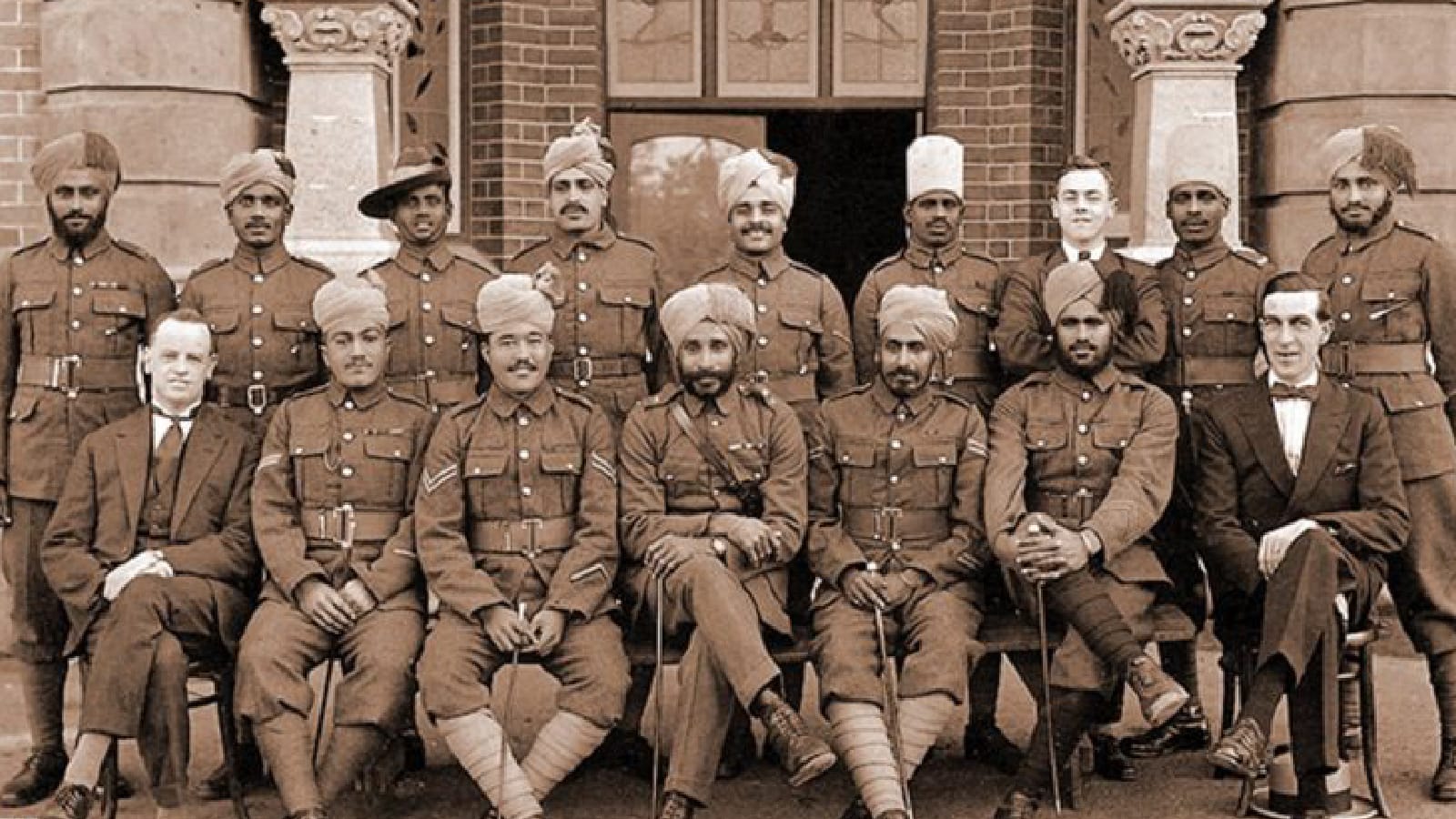
Watching the Prime Ministers of India and New Zealand reminisce about his father, hockey legend Dhyan Chand, Ashok Kumar’s heart swelled with pride. “Duniya mein faujein banti hai goliyan chalane ke ...
The Eternal Legacy of Dhyan Chand: Bridging Nations Through Sport
A Moment of Diplomatic Resonance
The recent interaction between the Prime Ministers of India and New Zealand, centered around the memory of hockey legend Dhyan Chand, transcends mere nostalgia. It represents a significant moment of "soft power" diplomacy, where the shared history of a sport serves as a common language between two sovereign nations. As the leaders reminisced about the impact of Dhyan Chand and his son, Ashok Kumar, the conversation highlighted how sporting icons can become cultural ambassadors, fostering a sense of mutual respect that goes beyond formal political treaties and administrative discussions.
The Wizard of Hockey: A Historical Foundation
To understand the weight of this moment, one must look back at the era of Dhyan Chand, often referred to as the "Wizard" of hockey. His dominance on the international stage during the early 20th century was not just a matter of athletic prowess, but a source of immense national pride for a burgeoning India. His ability to command the field helped establish a legacy of excellence that defined Indian hockey for decades, creating a historical benchmark that continues to inspire athletes and diplomats alike, serving as a symbol of excellence that is recognized globally.
Generational Excellence: The Kumar Legacy
The mention of Ashok Kumar adds a layer of generational continuity to this narrative. As the son of Dhyan Chand, Ashok Kumar carried the mantle of his father's greatness, proving that the excellence of the Chand lineage was not a singular phenomenon but a sustained tradition of sporting mastery. This continuity reinforces the idea that the values of discipline and sportsmanship are passed down through families, eventually becoming part of the national fabric, which in turn strengthens the cultural identity that nations share during international exchanges and diplomatic summits.
Sports as a Catalyst for International Unity
The "maiden tour" mentioned in the context serves as a historical anchor for the relationship between India and New Zealand. These early sporting exchanges were more than just games; they were the first threads in a complex web of bilateral relations. By revisiting these origins, the Prime Ministers underscored the importance of historical sporting ties in maintaining modern-day friendship, suggesting that the foundations of peace and cooperation are often laid on the playing field long before they are formalized in government halls or through economic pacts.
Beyond the Pitch: The Philosophy of Peace
A profound element of this interaction is the philosophical sentiment regarding the purpose of human organization. The reflection on the idea that "armies are built to fire bullets," contrasted with the spirit of sport, suggests a deeper truth about international relations. While hard power—military strength—is a standard component of statehood, soft power, such as cultural and sporting influence, provides the emotional and social glue that allows nations to interact with empathy and shared purpose, rather than just strategic necessity or conflict.
Future Implications for India-New Zealand Relations
Looking forward, the utilization of such sporting heritage can serve as a template for future diplomatic endeavors. As India and New Zealand continue to navigate complex global dynamics, leveraging shared icons like Dhyan Chand can help mitigate tensions and build a reservoir of goodwill. We can predict an increase in cultural exchange programs and joint sporting initiatives that utilize these historical narratives to reinforce bilateral cooperation in non-political spheres, potentially leading to stronger ties in trade and technology through the lens of cultural affinity.
Conclusion: The Enduring Power of a Legend
In conclusion, the reminiscence of the Prime Ministers is a testament to the enduring power of Dhyan Chand’s legacy. It demonstrates that the impact of a great athlete extends far beyond the boundaries of the hockey pitch, influencing the very way nations perceive one another. By celebrating a shared sporting history, India and New Zealand are not just looking backward; they are using the lessons of the past to pave a more harmonious and connected path for the future of their bilateral relationship.