High diesel prices may put 'another squeeze' on the consumer, economist says
Source Entity
US Top News and Analysis
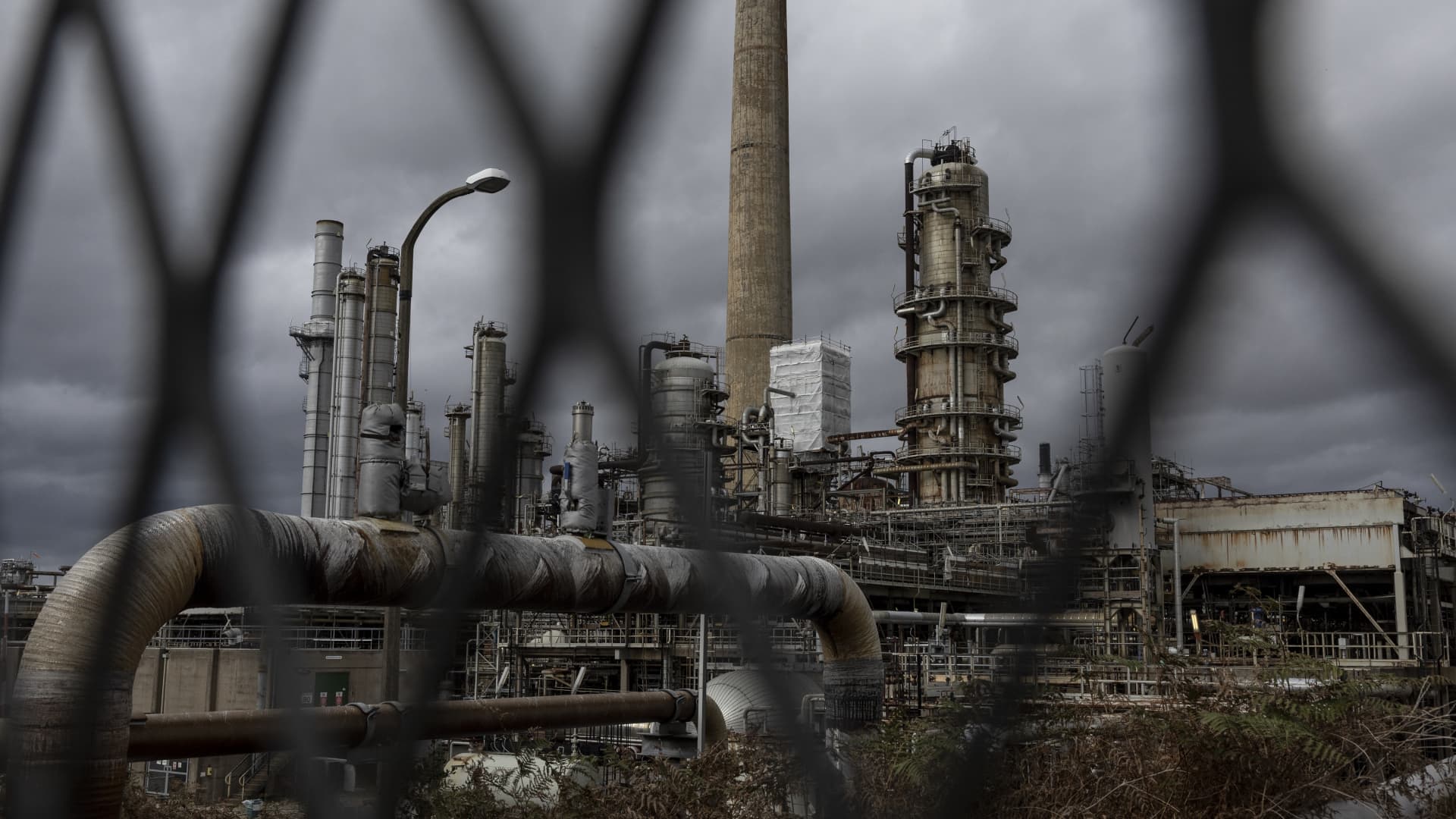
Soaring diesel prices, up 68% since the start of the Iran war, are threatening to drive up consumer goods costs. Economists warn this hidden inflation will disproportionately impact lower- and middle-income households.
The Hidden Inflationary Pressure of Diesel
While consumers are acutely aware of the visible fluctuations in gasoline prices at the pump, a more insidious economic threat is currently unfolding in the supply chain. Diesel fuel, the primary engine of global logistics and commerce, has experienced a staggering 68% price increase since the onset of the Iran war. This surge, documented by AAA data, represents a significantly sharper climb than that of gasoline, yet its impact remains largely obscured from the average shopper's immediate view.
The Logistics Backbone of the Retail Sector
Diesel is the lifeblood of the global supply chain. Unlike passenger gasoline vehicles, the vast majority of heavy-duty freight, including long-haul trucks, cargo ships, and maritime vessels, rely exclusively on diesel. When the cost of this fuel skyrockets, the transportation and logistics sectors are forced to pass these expenses onto manufacturers and retailers. Because diesel is deeply embedded in the production and distribution cycle—moving raw materials to factories and finished products to store shelves—every stage of a product's journey becomes more expensive.
Why Diesel Impacts Store Shelves
Economists, including Michael Reid of the Royal Bank of Canada, emphasize that this dynamic is poised to create "another squeeze" on the consumer. The inflationary pressure is not limited to one sector; it is broad-based. From grocery items to durable physical goods, the increased cost of distribution is inevitably reflected in the final retail price. Unlike gasoline, which consumers purchase directly, the cost of diesel is baked into the price of almost everything we consume, making it a hidden tax on household budgets.
Socioeconomic Disparities and the Cost of Living
This inflationary environment arrives at a time when consumers are already struggling with persistent, high baseline inflation. The burden of these rising costs is not distributed equally. Reid notes that it is primarily the lower- and middle-income demographics who will feel the most acute impact. For these households, a higher percentage of their income is dedicated to essential goods, leaving them with little financial cushion to absorb the ripple effects of increased transportation costs.
Looking Ahead: Economic Implications
If diesel prices remain at these elevated levels, the retail sector may see a sustained period of price volatility. As companies attempt to protect their margins against rising fuel costs, consumers should expect continued upward pressure on the price of everyday essentials. The situation serves as a stark reminder of how geopolitical instability—in this case, the conflict in Iran—can penetrate local economies through the global energy market, ultimately destabilizing the purchasing power of the average consumer.