Heart surgeon Dr Subodh Verma explains the importance of exercise to slow down muscle ageing
Source Entity
Latest News: Today's Latest News Headlines from India & World | Hindustan Times | Hindustan Times
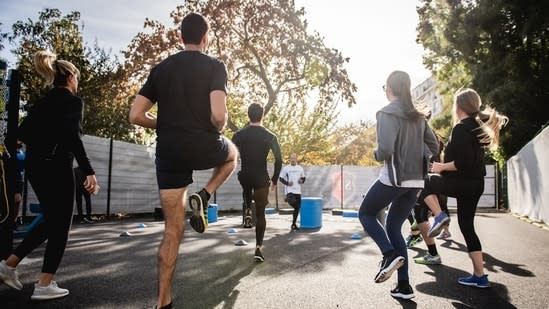
Exercise is not only essential to preserve strength, mobility and cardiovascular health, it can also slow down the process of ageing. Dr Verma explains why.
Combatting Muscle Ageing: A Cardiovascular Perspective
In a recent health advisory, Dr. Subodh Verma, a distinguished heart surgeon, has shed light on the symbiotic relationship between physical activity and the biological process of ageing. While exercise is commonly associated with weight management or athletic performance, Dr. Verma emphasizes a more critical physiological benefit: the preservation of muscle mass and the slowing of muscle ageing. This perspective is particularly poignant coming from a cardiovascular specialist, as it underscores the systemic nature of health—where the heart's efficiency directly impacts the vitality of the skeletal muscle system.
Understanding the Mechanism of Muscle Ageing
Muscle ageing, often clinically referred to as sarcopenia, involves the gradual loss of skeletal muscle mass and strength. This process typically accelerates with age, leading to decreased mobility, increased frailty, and a higher risk of falls. Dr. Verma's assertion that exercise can slow this process is rooted in the principle of hypertrophy and cellular regeneration. When muscles are subjected to consistent stress through exercise, the body triggers protein synthesis to repair and strengthen muscle fibers. By maintaining this cycle, individuals can effectively offset the natural degradation that occurs over decades, ensuring that the body remains functional and resilient.
The Heart-Muscle Connection
As a heart surgeon, Dr. Verma's focus on muscle ageing is intrinsically linked to cardiovascular health. The heart is, itself, a muscle, and its ability to pump oxygenated blood to the rest of the body is what fuels skeletal muscle maintenance. Poor cardiovascular health leads to reduced perfusion—meaning muscles receive less oxygen and nutrients—which can accelerate atrophy. Conversely, regular exercise improves cardiac output and vascular elasticity, ensuring that the muscles have the necessary resources to resist ageing. This holistic approach suggests that one cannot truly preserve muscle health without first securing the health of the heart.
The Role of Diverse Exercise Modalities
To achieve the results Dr. Verma describes, a multifaceted approach to exercise is necessary. While aerobic activities like walking or swimming are essential for cardiovascular endurance, resistance training—such as weightlifting or bodyweight exercises—is the primary driver in slowing muscle ageing. Resistance training creates micro-tears in the muscle fibers, which, when healed, result in denser and stronger muscles. By combining these modalities, individuals can preserve both their 'engine' (the heart) and their 'chassis' (the muscular system), creating a comprehensive defense against the physical decline associated with ageing.
Broader Implications for Long-term Wellness
The implications of Dr. Verma's advice extend beyond mere aesthetics or strength; they are fundamental to maintaining independence in later life. The loss of muscle mass is often a precursor to a loss of autonomy, as simple tasks like standing up from a chair or climbing stairs become difficult. By proactively integrating exercise to slow muscle ageing, individuals can significantly reduce their reliance on caregivers and lower the incidence of chronic metabolic diseases, such as Type 2 diabetes, which is often exacerbated by a lack of muscle mass to process glucose.
Conclusion: A Proactive Approach to Longevity
Ultimately, the insights provided by Dr. Subodh Verma serve as a critical reminder that ageing is not merely a passive process of decline, but one that can be actively managed. By prioritizing exercise to preserve strength, mobility, and cardiovascular health, individuals can rewrite their ageing trajectory. The synthesis of cardiac health and muscular strength forms the bedrock of longevity, ensuring that the later years of life are characterized by vitality and movement rather than limitation and frailty.
Verification Required?