Who is Dude 44 Bravo? US Air Force officer shot down in Iran reveals harrowing story of survival behind enemy lines
Source Entity
Latest News: Todays Latest News Headlines from India & World | Hindustan Times | Hindustan Times
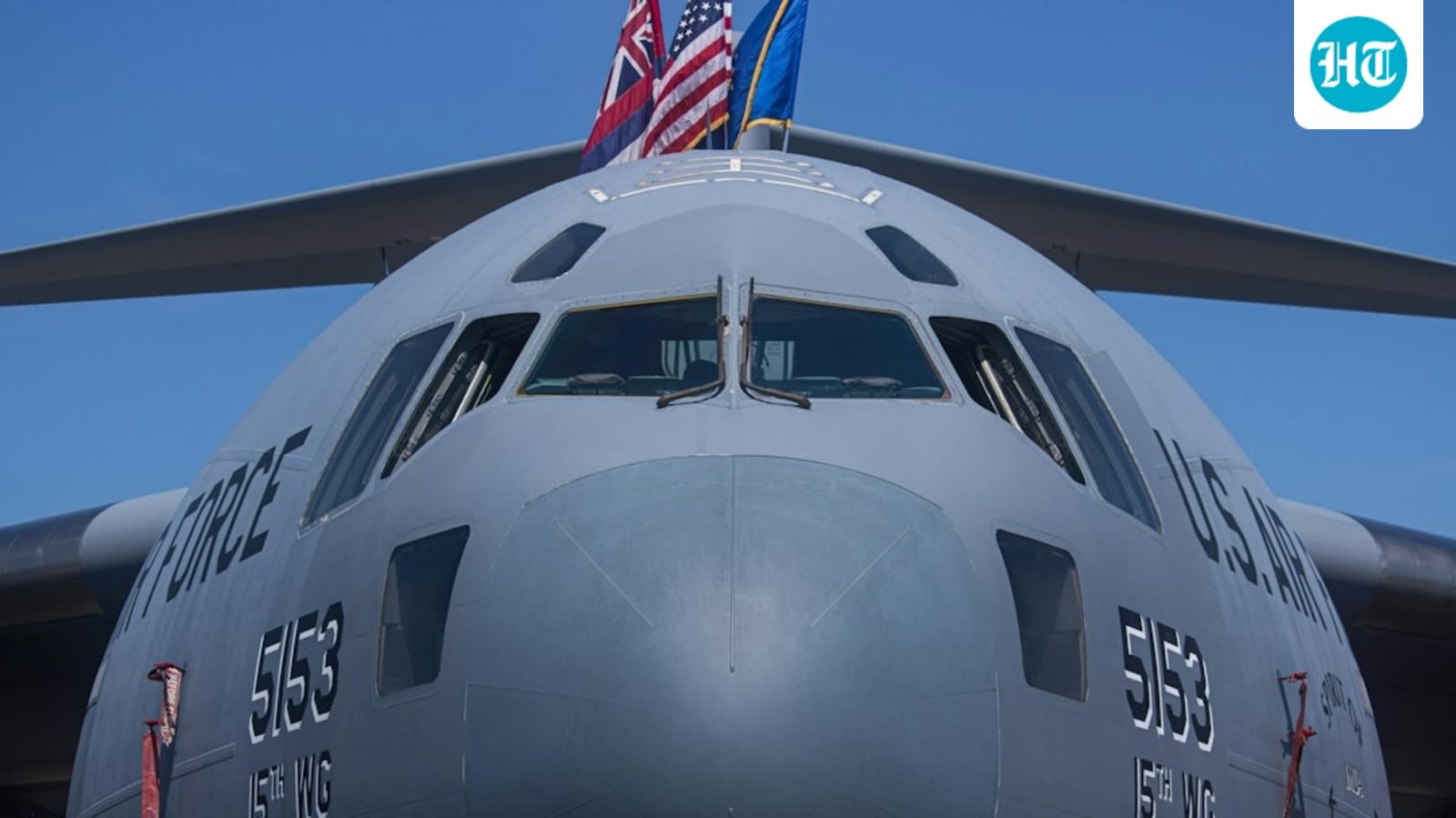
US Air Force officer 'Dude 44 Bravo' has shared his harrowing survival story after his F-15E was shot down over Iran. He spent nearly 50 hours injured in the desert before being rescued in a complex military operation involving 90 personnel.
The Survival of Dude 44 Bravo: A Harrowing Account from Behind Enemy Lines
In a gripping revelation, a US Air Force colonel, known by his mission call sign 'Dude 44 Bravo,' has publicly detailed his survival experience after being shot down over Iran. Serving as the weapons systems officer on an F-15E Strike Eagle, Bravo and his pilot, 'Alpha,' were targeted by a shoulder-fired missile in April. The loss of the $30 million aircraft, downed by a projectile estimated at only $100,000, underscores the persistent danger posed by asymmetric warfare and advanced air-defense capabilities in contested regions.
The Ordeal in the Iranian Desert
Following a successful ejection, the two officers landed in a mountainous, desolate region of Iran. For nearly 50 hours, Bravo navigated the treacherous terrain while injured and attempting to evade capture. His survival was not merely a matter of endurance; it was a race against time as Iranian forces conducted an active search for the downed airmen. The gravity of the situation was compounded by his physical injuries, yet he managed to maintain contact with US command, famously signaling his status with the words, “God is good.”
A Massive Multi-Service Rescue Operation
The extraction of Dude 44 Bravo stands as one of the most complex rescue operations in recent military history. According to reports, more than 90 American service members were mobilized to secure the officer's safety. The mission was characterized by significant tactical coordination, involving the deployment of US bombers and drones to strike Iranian Revolutionary Guard units in the immediate vicinity. This show of force was crucial in creating a window of opportunity for the rescue team to reach the injured colonel.
The Strategic Commitment to Personnel Recovery
This event highlights the unwavering US military doctrine regarding personnel recovery. The scale of the response—deploying nearly a hundred personnel and significant air power to retrieve a single individual—demonstrates the strategic and moral commitment the US military places on its service members. By engaging Iranian forces directly to facilitate the extraction, the operation sent a clear signal that the abandonment of personnel in enemy territory is not an option, regardless of the geopolitical risks involved.
Broader Geopolitical Implications
The incident serves as a stark reminder of the volatility in the region. The use of shoulder-fired missiles against advanced fighter jets like the F-15E illustrates the lethal effectiveness of man-portable air-defense systems (MANPADS) against high-value assets. Furthermore, the public disclosure of this event via '60 Minutes' provides a rare, transparent glimpse into the reality of modern aerial warfare, the vulnerabilities of advanced technology, and the extreme human cost of tactical missions in hostile environments.
Conclusion
The survival story of Dude 44 Bravo is more than an individual account of resilience; it is a testament to the sophistication and resolve of modern military rescue operations. As the US continues to navigate complex global tensions, the lessons learned from this 50-hour ordeal in the Iranian desert will likely influence future training, survival protocols, and the tactical deployment of air assets in contested airspace for years to come.
Verification Required?