Pamphlets on the ground, reels on the screen: DUSU poll campaign ends
Source Entity
Sophiya Mathew
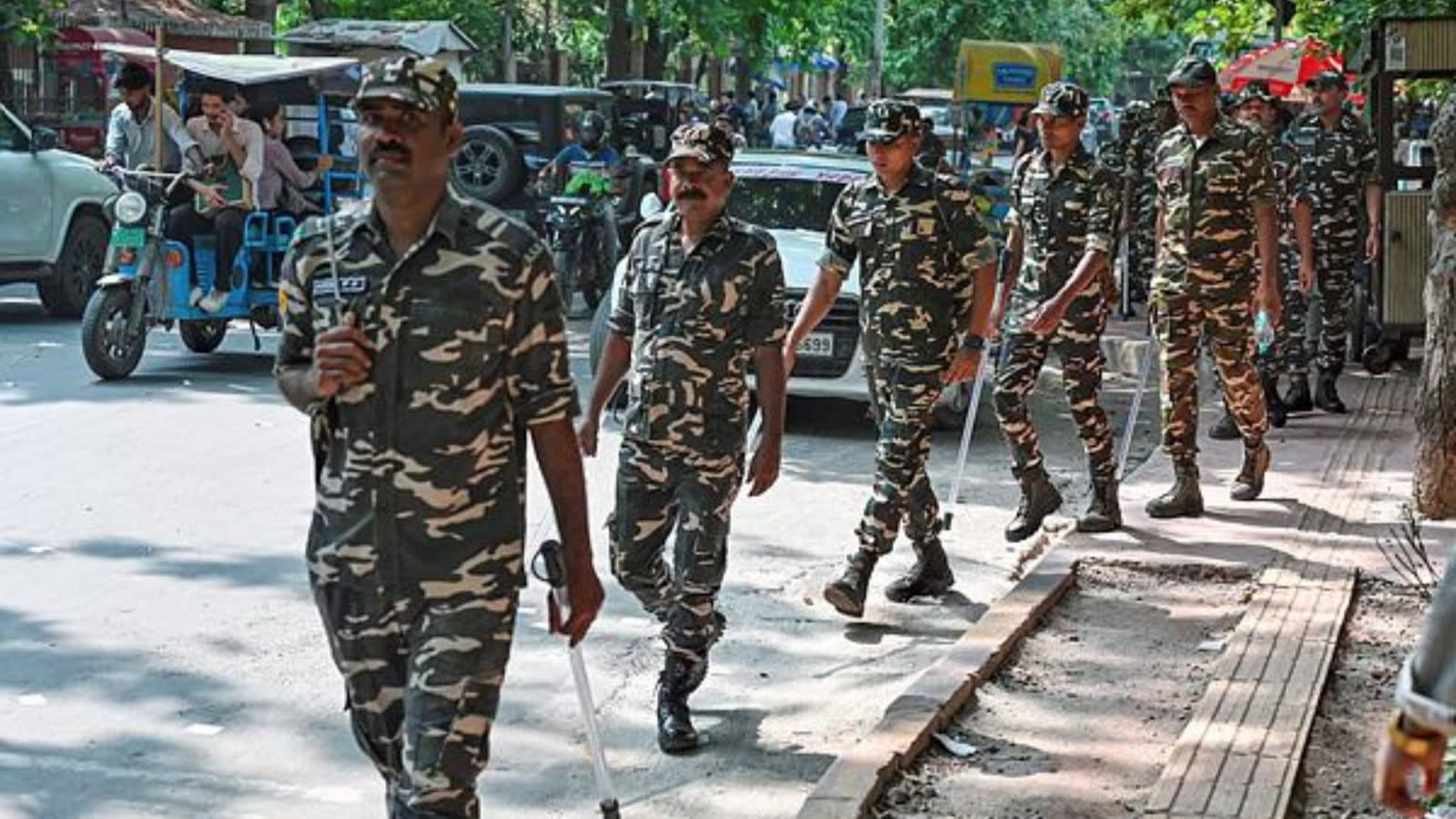
The Delhi High Court ruled that student union membership does not constitute political association for DUSU election candidates. Meanwhile, campaigns concluded amidst a mix of traditional leafleting and digital strategy, overshadowed by local campus tragedies.
The Legal and Political Landscape of DUSU Elections
The Delhi High Court recently issued a landmark clarification regarding the Delhi University Students Union (DUSU) elections, ruling that mere membership in a student wing does not equate to formal association with a political party for candidacy purposes. This decision, delivered by a division bench comprising Chief Justice D. K. Upadhyaya and Justice Tejas Karia, addresses a longstanding tension between campus activism and the influence of mainstream political entities. By distinguishing between personal membership and formal institutional affiliation, the court has provided a legal framework that allows students to participate in the democratic process of their university without being automatically disqualified by the political leanings of their respective student organizations.
The Lyngdoh Committee and Campus Autonomy
The PIL challenged the current state of affairs by citing the Lyngdoh Committee recommendations, which were mandated by the Supreme Court in 2006 to ensure free and fair campus elections. These guidelines were specifically designed to insulate student representative bodies from the undue influence of national political parties, aiming to foster a culture of independent student leadership. The court’s recent interpretation serves as a balancing act; while it upholds the spirit of the Lyngdoh recommendations, it also pragmatically acknowledges the reality that student wings are often the training grounds for future political leaders, making total disassociation difficult to enforce.
Evolving Campaign Dynamics: From Parchas to Reels
As the DUSU poll campaign reached its conclusion, the visual landscape of the university reflected a hybrid era of campaigning. Traditional methods, characterized by scattered parchas (pamphlets) and boisterous rallies outside the Faculty of Law, remained a staple of the electioneering process. However, these physical displays were increasingly complemented by a sophisticated digital strategy. Student groups have pivoted toward viral reels and high-stakes social media narratives to capture the attention of the Gen Z electorate, signaling a shift in how political messaging is disseminated and consumed on campus.
Impact of Campus Tragedies on Electoral Discourse
This year’s campaign was significantly influenced by a somber atmosphere, driven by recent tragedies that impacted the student community. Protests regarding paper leaks and the tragic collapse of a PG building in Satya Niketan, which claimed the lives of five DU students, forced candidates to adapt their messaging. Rather than relying solely on traditional promises, student groups were compelled to address systemic failures and student safety, illustrating how local campus crises can pivot the focus of student elections toward issues of administrative accountability and welfare.
Future Trends in Student Politics
The intersection of legal scrutiny, digital transformation, and reactive politics suggests a changing trajectory for student representation at Delhi University. As the lines between virtual influence and physical campaigning continue to blur, the judiciary will likely remain a key arbiter in defining the boundaries of political involvement. Moving forward, the effectiveness of student unions will likely be measured by their ability to translate digital engagement into tangible advocacy for student welfare, especially in the wake of recent campus-wide grievances.