E20 controversy explained: Why an old roadmap is back in spotlight
Source Entity
AASTHA JHA
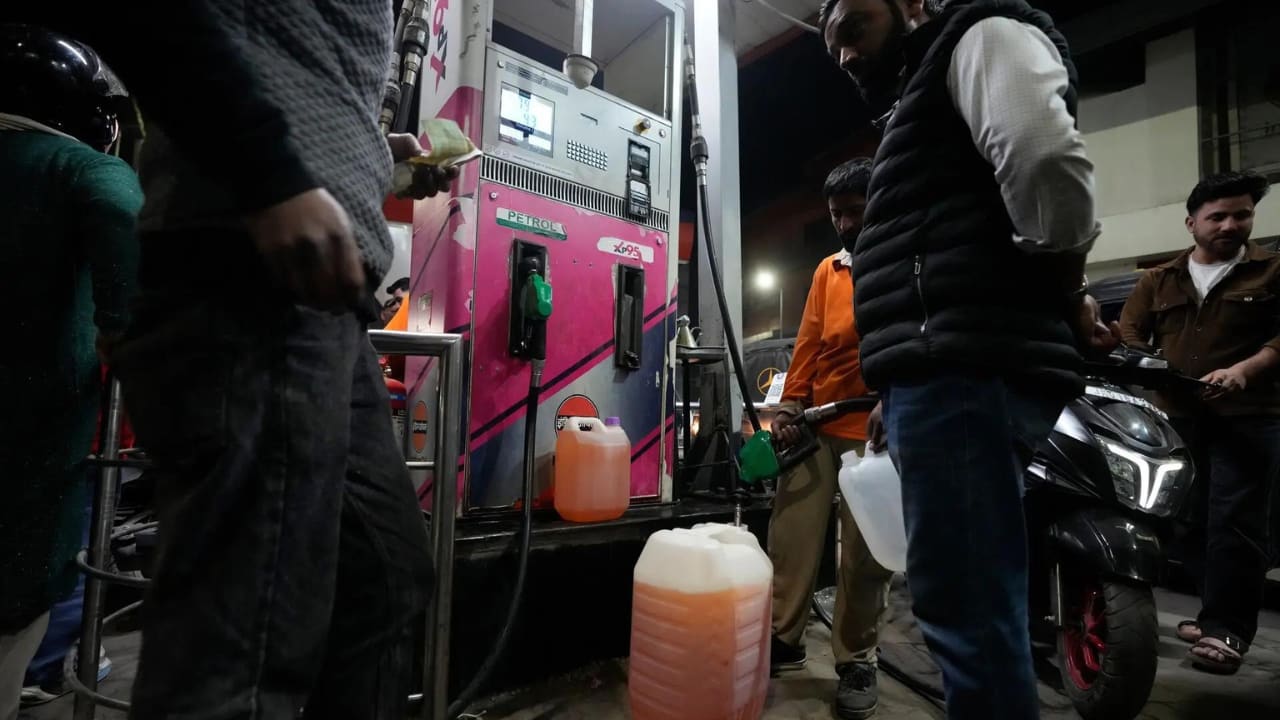
E20 sparks concerns among riders What does NITI Aayog report say? Why are people worried? What happened in the Supreme Court? Why are opposition parties protesting? What has the government said?...
The E20 Fuel Transition: Balancing Energy Security and Consumer Protection
The transition to E20 fuel—petrol blended with 20% ethanol—has emerged as a focal point of technical and political debate in India. This initiative, steered by the NITI Aayog roadmap, is designed to reduce the country's heavy reliance on crude oil imports, lower the current account deficit, and decrease tailpipe carbon emissions. However, as the rollout accelerates, the gap between policy ambition and ground-level infrastructure has created a surge of anxiety among vehicle owners, particularly those with older internal combustion engines (ICE) that were not designed for high ethanol concentrations.
Technical Friction and Rider Concerns
At the heart of the controversy is the technical compatibility of existing vehicle fleets. Ethanol is hygroscopic, meaning it absorbs water from the air, and it is more corrosive than pure gasoline. For riders and drivers of older motorcycles and cars, E20 fuel poses a significant risk of degrading rubber seals, gaskets, and fuel lines, potentially leading to fuel leaks and engine failure. Furthermore, ethanol has a lower energy density than gasoline, which often results in a noticeable drop in fuel efficiency (mileage), effectively increasing the cost per kilometer for the end consumer. This technical mismatch has turned a policy goal into a practical nightmare for millions of commuters who cannot afford to upgrade their vehicles immediately.
The NITI Aayog Roadmap and Government Objectives
The NITI Aayog report provides the strategic blueprint for this transition, emphasizing the socio-economic benefits of ethanol blending. By utilizing agricultural surpluses—primarily sugarcane and damaged food grains—to produce ethanol, the government aims to provide a stable income stream for farmers and revitalize the rural economy. From a geopolitical perspective, the E20 mandate is a critical component of India's quest for 'Atmanirbhar Bharat' (Self-Reliant India), seeking to insulate the domestic economy from the volatility of global oil prices and geopolitical instabilities in oil-producing regions.
Legal Challenges and Political Polarization
The controversy has escalated beyond technical forums into the halls of the Supreme Court and the political arena. The legal scrutiny centers on consumer rights and the government's duty to ensure that the transition does not cause widespread property damage to existing vehicle owners. Simultaneously, opposition parties have seized upon the issue, protesting the perceived haste of the rollout and the lack of a comprehensive 'retrofit' plan for older vehicles. They argue that the government is prioritizing industrial and agricultural lobbies over the financial well-being of the average citizen, turning a technical transition into a heated political liability.
Environmental Trade-offs and Future Trends
While E20 is marketed as a 'green' alternative due to lower carbon monoxide and hydrocarbon emissions, environmentalists point to a more complex reality. The massive increase in ethanol demand requires vast amounts of water and land for feedstock cultivation, which could potentially threaten food security or lead to deforestation. Looking ahead, the E20 roadmap is likely a bridge technology. As India pushes toward Electric Vehicles (EVs), ethanol blending serves as a mid-term solution to decarbonize the existing ICE fleet. However, the success of this bridge depends entirely on the government's ability to implement clear labeling at fuel stations and provide subsidies or technical support for vehicle modifications.
Conclusion: The Path Forward
In summary, the E20 controversy highlights the inherent tension between macro-economic policy and micro-economic reality. While the NITI Aayog's vision of energy independence is strategically sound, the execution has been marred by a lack of communication regarding vehicle compatibility. For the E20 roadmap to be sustainable, the government must move beyond mandates and address the legitimate fears of riders through transparent guidelines, legal safeguards, and support for the automotive industry to accelerate the transition to E20-compliant engines. Without these measures, the policy risks facing continued legal hurdles and public resentment.