Ed Sheeran says it was 'not my decision' to drop Macklemore from tour
Source Entity
BBC News
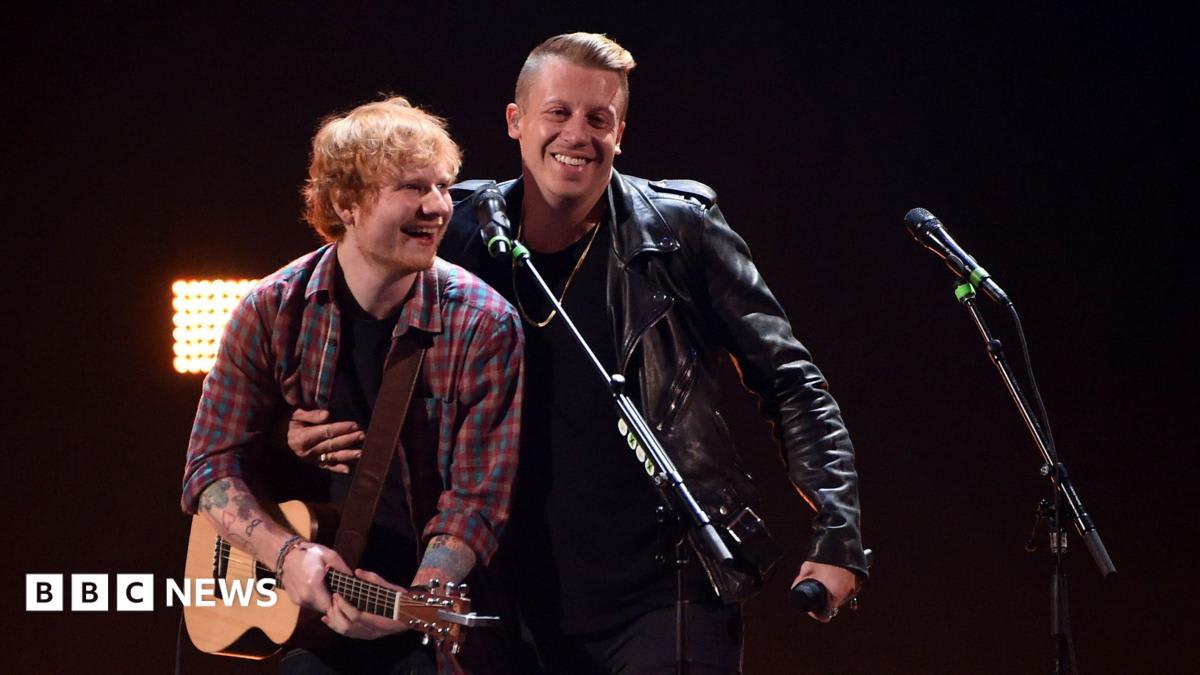
Ed Sheeran's North and South American tour faces major disruption after four support acts quit in solidarity with rapper Macklemore. Macklemore was removed from the tour by promoters following his pro-Palestinian stage remarks, despite Sheeran's stated attempts to mediate.
The Collapse of a Global Tour: A Crisis of Solidarity and Corporate Control
Ed Sheeran’s tour across North and South America has encountered a significant operational crisis following the removal of rapper Macklemore from the lineup. The sequence of events began when Macklemore made pro-Palestinian comments during performances in New Jersey, sparking immediate backlash from Jewish advocacy groups. As a direct result of this pressure, venues reportedly pressured the tour’s promoters, Messina Touring Group, to eject the artist from the remaining schedule. This incident highlights the growing friction between artistic expression, corporate tour management, and the geopolitical sensitivities that now permeate the music industry.
The Fallout: A Domino Effect of Resignations
The decision to drop Macklemore—whose legal name is Benjamin Haggerty—triggered a swift and unprecedented response from fellow performers. Within hours of the announcement, Irish acts Aaron Rowe and Beoga, the Danish band Lukas Graham, and singer-songwriter Finneas utilized social media to announce their immediate departure from the tour. The loss of these acts is particularly damaging to the tour's logistics; for instance, Rowe and Lukas Graham were slated to serve as the primary replacements for Macklemore on upcoming U.S. dates, while Beoga played a critical, collaborative role in the central portion of Sheeran’s setlist.
Ed Sheeran’s Position: Promoter vs. Artist
In the wake of the chaos, Ed Sheeran issued a formal statement on Instagram to clarify his involvement. He explicitly distanced himself from the decision to terminate Macklemore’s contract, noting that the agreement was held between the rapper and the promoter, not himself. Sheeran detailed his attempts to "build a bridge" with venue management throughout the week, suggesting a significant disconnect between the artist’s desired tour environment and the contractual demands enforced by promoters. This public clarification underscores the complex power dynamics in modern touring, where artists are often subject to the risk-mitigation strategies of large-scale promoters.
The Broader Implications for Live Music
The mass exodus of support acts signals a shift in the culture of touring, where performers are increasingly willing to sacrifice high-profile exposure for ideological solidarity. By choosing to quit, these artists have effectively turned a standard contractual dispute into a public debate regarding freedom of speech and the influence of political pressure on live entertainment venues. This trend may force promoters to reconsider how they manage artist conduct clauses in future contracts, particularly as public discourse around international conflicts continues to influence the cultural sphere.
Future Trends and Operational Uncertainty
As the tour faces the loss of its entire support lineup and backing band components, the feasibility of upcoming dates remains in question. The logistical challenge of replacing four distinct acts in a short timeframe is immense, and the reputational impact of the controversy could deter future collaborators. Moving forward, the industry is likely to see more stringent vetting processes and perhaps more explicit "morality clauses" in performance contracts, aimed at shielding promoters from the financial fallout of controversial stage statements. For now, the future of the tour rests on the ability of Sheeran and Messina Touring Group to resolve the internal schism and rebuild a viable production schedule.
Multiple Citing Sources