Who is Khalwinder Singh Bhengura? Indian green card holder arrested in Texas ahead of midterm election; here's why
Source Entity
Latest News: Todays Latest News Headlines from India & World | Hindustan Times | Hindustan Times
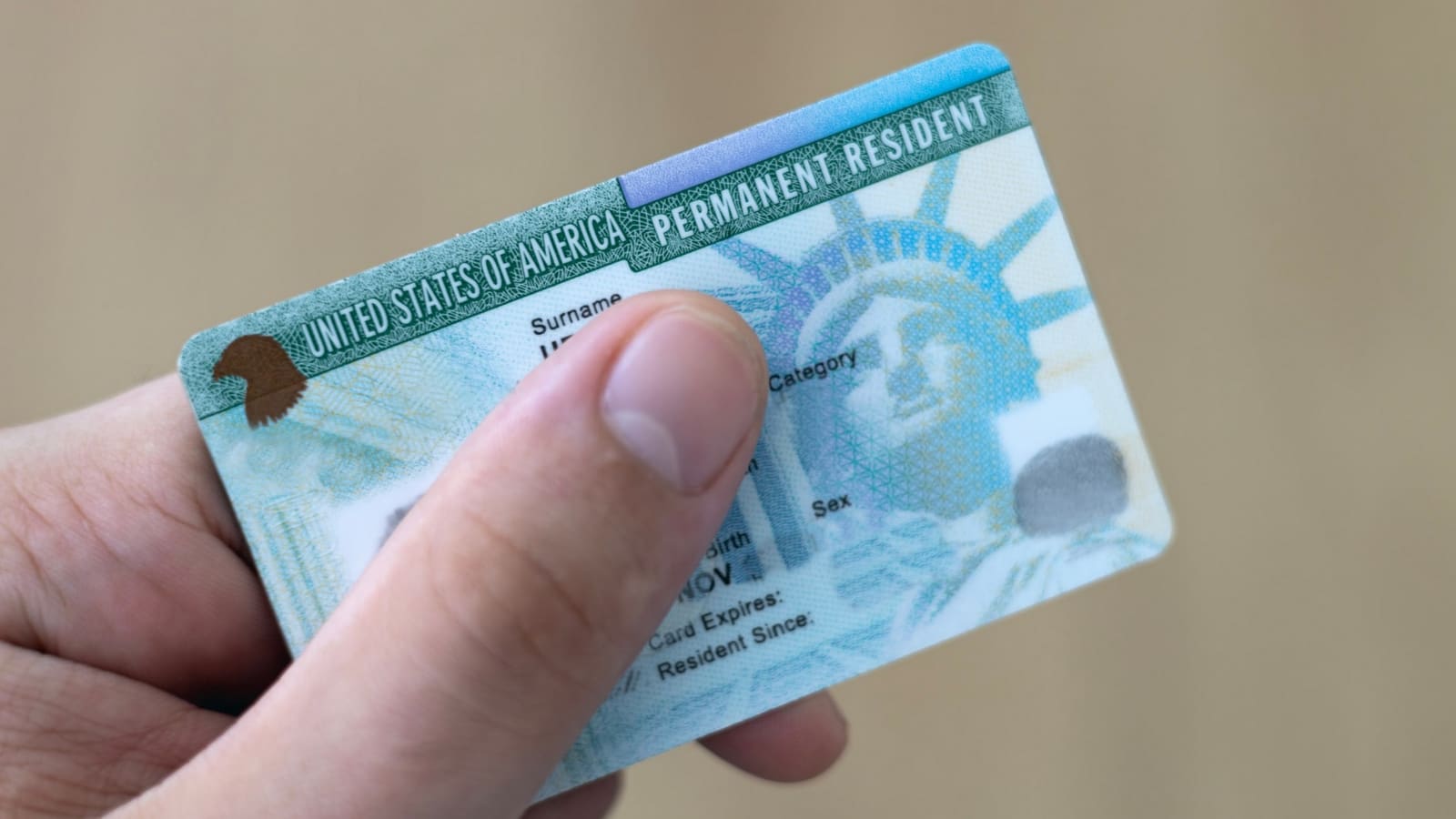
Federal prosecutors in Texas have charged seven individuals, including six permanent residents and one Mexican national, with illegal voting and false citizenship claims. This crackdown aligns with the Trump administration's intensified focus on election integrity ahead of the 2026 midterm elections.
Overview of Election Integrity Charges in Texas
Federal prosecutors in Texas have announced formal charges against seven individuals accused of violating election laws. The group, which includes six lawful permanent residents (green card holders) and one Mexican national currently subject to a removal order, faces accusations of participating in federal elections unlawfully, attempting to vote, or making false representations regarding their U.S. citizenship. These charges represent a significant legal intervention aimed at policing the integrity of the electoral process.
The Legal Implications of Citizenship Misrepresentation
The core of these charges hinges on the distinction between legal residency and the rights reserved exclusively for U.S. citizens. While green card holders enjoy many benefits of life in the United States, federal law strictly prohibits noncitizens from voting in federal elections. The act of misrepresenting one's citizenship status to gain access to the ballot box is a serious federal offense that carries severe consequences, including potential incarceration and the permanent loss of legal immigration status. For the Mexican national involved, who is already subject to a removal order, these new charges further complicate their legal standing and potential for deportation.
Strategic Shift Toward 2026 Midterms
These indictments are not isolated incidents but rather part of a broader, more aggressive policy stance adopted by the current administration. As the country looks toward the 2026 midterm elections, federal authorities have significantly broadened their emphasis on election integrity. By prioritizing the investigation and prosecution of noncitizen voting, the administration is signaling a shift toward more stringent enforcement mechanisms designed to reassure the public of the sanctity of the electoral system.
Historical Context and Political Climate
The issue of noncitizen voting has long been a contentious subject in American political discourse. Historically, while documented cases of noncitizens casting ballots have been statistically rare, the political salience of the issue has grown exponentially. The current administration’s focus on this topic serves to address concerns raised by voters regarding the security of voter rolls and the verification processes used during voter registration. This proactive approach is intended to preemptively mitigate potential challenges to election results in the coming years.
Broader Implications for Immigration Policy
The intersection of immigration status and voting rights remains a critical fault line in U.S. law. These charges serve as a stark reminder to the immigrant community regarding the strict boundaries of legal status. As the federal government ramps up its scrutiny, it is likely that we will see increased coordination between immigration authorities and election officials. This trend suggests that maintaining proper documentation and understanding the limitations of one's legal status will become increasingly vital for permanent residents in the United States.
Future Trends and Conclusion
Looking ahead, it is highly probable that the federal government will continue to utilize these types of prosecutions to establish a deterrent effect. By highlighting cases like that of Khalwinder Singh Bhengura and his co-defendants, authorities are setting a precedent for how future election cycles will be monitored. As the 2026 midterms approach, the focus on election integrity will likely remain a central pillar of the administration's platform, ensuring that the legal requirements for participation in democracy are strictly upheld.
Verification Required?