New UPI charges challenged in SC; petitioner flags impact on common man
Source Entity
PRIYANKA JAISWAL
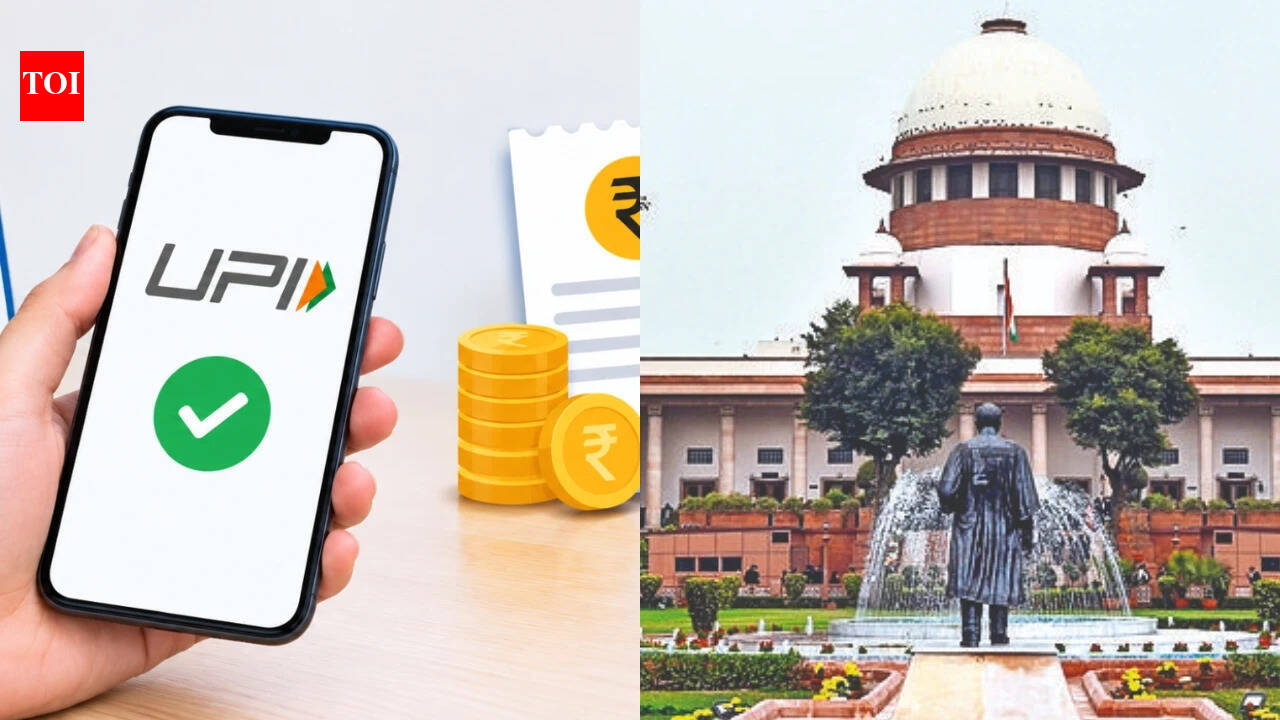
A Supreme Court petition has challenged new government notifications imposing charges on high-value commercial UPI transactions. The petitioner argues the move could negatively impact common citizens, prompting a legal review of the Ministry of Finance's policy.
Legal Challenge Against UPI Transaction Charges
The Core Conflict
A significant legal challenge has emerged in the Supreme Court of India concerning the recent implementation of charges on specific high-value commercial Unified Payments Interface (UPI) transactions. The petition, filed by Advocate Anjan Datta, specifically seeks the annulment of two Gazette notifications issued by the Union Ministry of Finance on September 14 and 15. These notifications introduced a revised framework for merchant transactions exceeding Rs 2,000, a move that has sparked immediate debate regarding the future of digital payment accessibility in the country.
Impact on the Common Citizen
The primary argument presented by the petitioner centers on the potential ripple effects of these charges on the common man. While the policy targets commercial entities and high-value transactions, critics argue that the burden of transaction fees is rarely absorbed solely by businesses. There is a prevailing concern that merchants may pass these costs down to consumers, thereby eroding the 'zero-cost' benefit that has been a hallmark of India's UPI ecosystem since its inception. This legal intervention highlights the tension between monetizing digital infrastructure and maintaining the inclusive nature of India's fintech revolution.
The Regulatory Landscape
The petition names the Union government, the Reserve Bank of India (RBI), the National Payments Corporation of India (NPCI), and the UPI platform itself as respondents. This structure underscores the complexity of India’s digital payment governance, where state policy, central banking oversight, and the technical infrastructure of the NPCI intersect. By challenging the Finance Ministry's notifications, the petitioner is essentially calling for a judicial review of the regulatory framework that governs how digital financial services are priced in an increasingly cashless economy.
Historical Context of UPI
Since its launch, UPI has been celebrated globally as a paradigm shift in financial inclusion, largely due to its fee-free structure for users and merchants. The introduction of any form of taxation or surcharge on this network represents a departure from the initial growth-oriented strategy that prioritized user adoption over revenue generation. The Supreme Court's involvement now places this transition under intense scrutiny, as the judiciary must weigh the government's need for fiscal sustainability in the digital payment sector against the public interest of keeping digital transactions affordable.
Future Implications and Outlook
The outcome of this Supreme Court case will likely set a precedent for how the government manages the monetization of public digital infrastructure. If the court finds merit in the petitioner's arguments, it could force a rollback or a significant restructuring of the merchant transaction fees. Conversely, a dismissal of the petition could clear the path for more robust monetization strategies within the fintech ecosystem. As the case progresses, it will serve as a critical test for balancing the scaling of digital infrastructure with the socio-economic goal of widespread, low-cost digital financial participation.