Elon Musk says: ‘I’m not MAGA’
Source Entity
Lucas Ropek
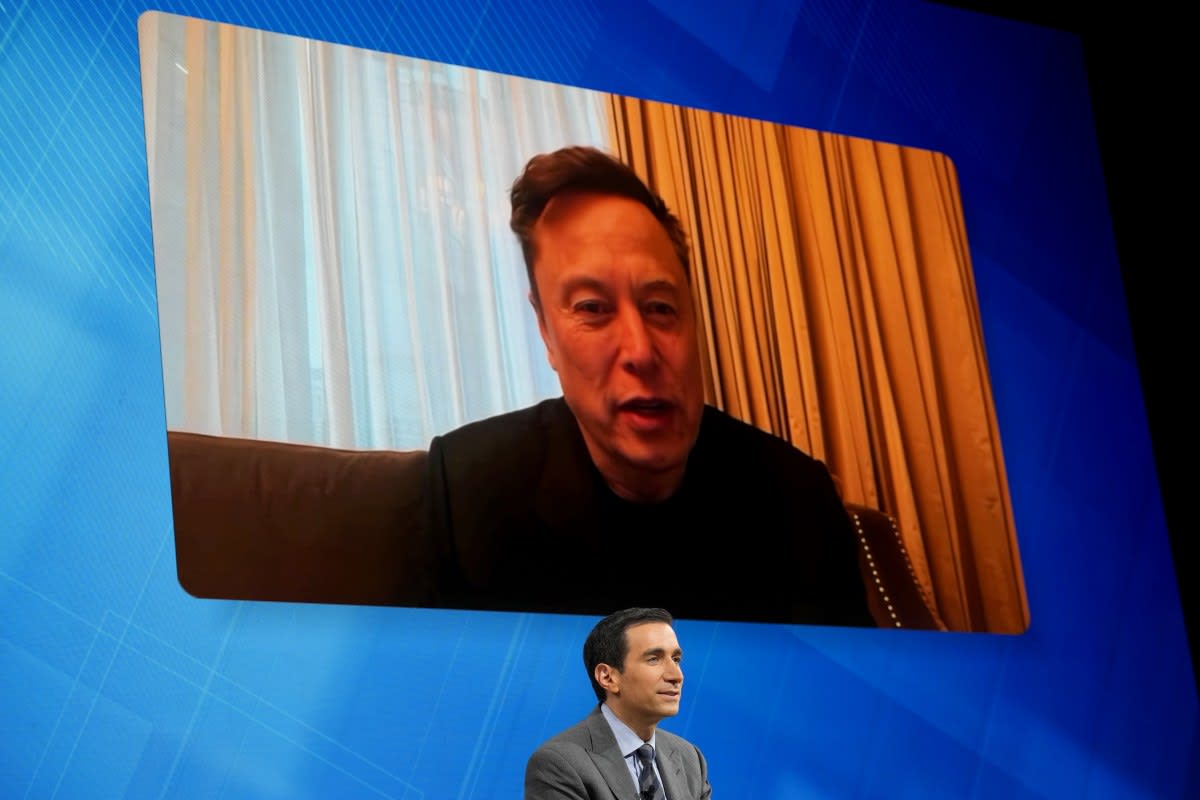
Elon Musk has publicly distanced himself from the 'MAGA' movement while expressing regret over his record-breaking $446 million expenditure during the U.S. midterm elections. Despite his massive financial support for Donald Trump, Musk claims his political alignment is not defined by strict adherence to Republican policies.
The Strategic Pivot: Elon Musk and the MAGA Movement
In a surprising turn of events at The New York Times' DealBook Summit, billionaire entrepreneur Elon Musk offered a candid assessment of his recent political involvement. Despite being the single largest donor to Donald Trump’s 2024 campaign—contributing a staggering $446 million—Musk explicitly stated, "I’m not MAGA." This declaration comes after a highly publicized period where he embraced the "Dark MAGA" moniker and was seen in the Oval Office wearing a signature MAGA hat, marking a significant recalibration of his public image.
The Cost of Political Influence
Beyond his ideological distancing, Musk expressed that he felt "pretty foolish" regarding the record-breaking sums he poured into the U.S. midterm elections. While he suggested that Republican candidates might have fared even worse without his financial intervention, the reality of the election results—which saw Democrats retain control of the Senate and House—has clearly prompted a moment of introspection for the Tesla and SpaceX CEO. This financial commitment, largely focused on Texas, highlights the high-stakes gamble that corporate leaders take when attempting to influence legislative outcomes through direct campaign financing.
Defining Political Identity
Musk’s claim that he is "not sure what MAGA means" serves as a tactical retreat from the polarization associated with the movement. By framing his hesitation as a rejection of "blind adherence" to Republican Party policies, Musk is attempting to reclaim a position of independence. This nuance is critical; it allows him to maintain his ties to the current administration while insulating himself from the potential political fallout of being tethered to a specific faction, particularly as he manages global business interests in China and elsewhere.
The Impact of Economic Policy on Elections
The analysis of the recent midterms suggests that the electorate was deeply influenced by the cost of living crisis, which negatively impacted candidates aligned with Trump. Musk’s acknowledgment of this reality underscores the difficulty of buying political outcomes. Even with the backing of the world's wealthiest individual, the broader economic anxieties of the American public proved to be a more powerful force than campaign spending, leading to the swings away from Trump in key states like Ohio and Texas.
Future Implications for Corporate Lobbying
This episode signals a potential shift in how tech titans approach political engagement. Musk’s experience demonstrates that massive capital injection does not guarantee political success or immunity from the consequences of legislative shifts. As he continues to navigate his role as a government partner and private CEO, his distancing from the "MAGA" label suggests a desire to be seen as a pragmatic stakeholder rather than a partisan ideologue, a shift that will likely influence how other high-profile donors approach the next election cycle.
Conclusion
Ultimately, Elon Musk’s comments at the DealBook Summit represent a complex negotiation between personal political affinity and business pragmatism. Whether this marks a permanent withdrawal from aggressive partisan spending or merely a temporary tactical adjustment remains to be seen. However, it is clear that the collision between Musk's massive financial influence and the volatile nature of American electoral politics has led to a moment of significant professional and ideological reassessment for one of the world's most influential figures.
Multiple Citing Sources