International first class is over for U.S. airlines. Enter the mega business-class cabin
Source Entity
US Top News and Analysis
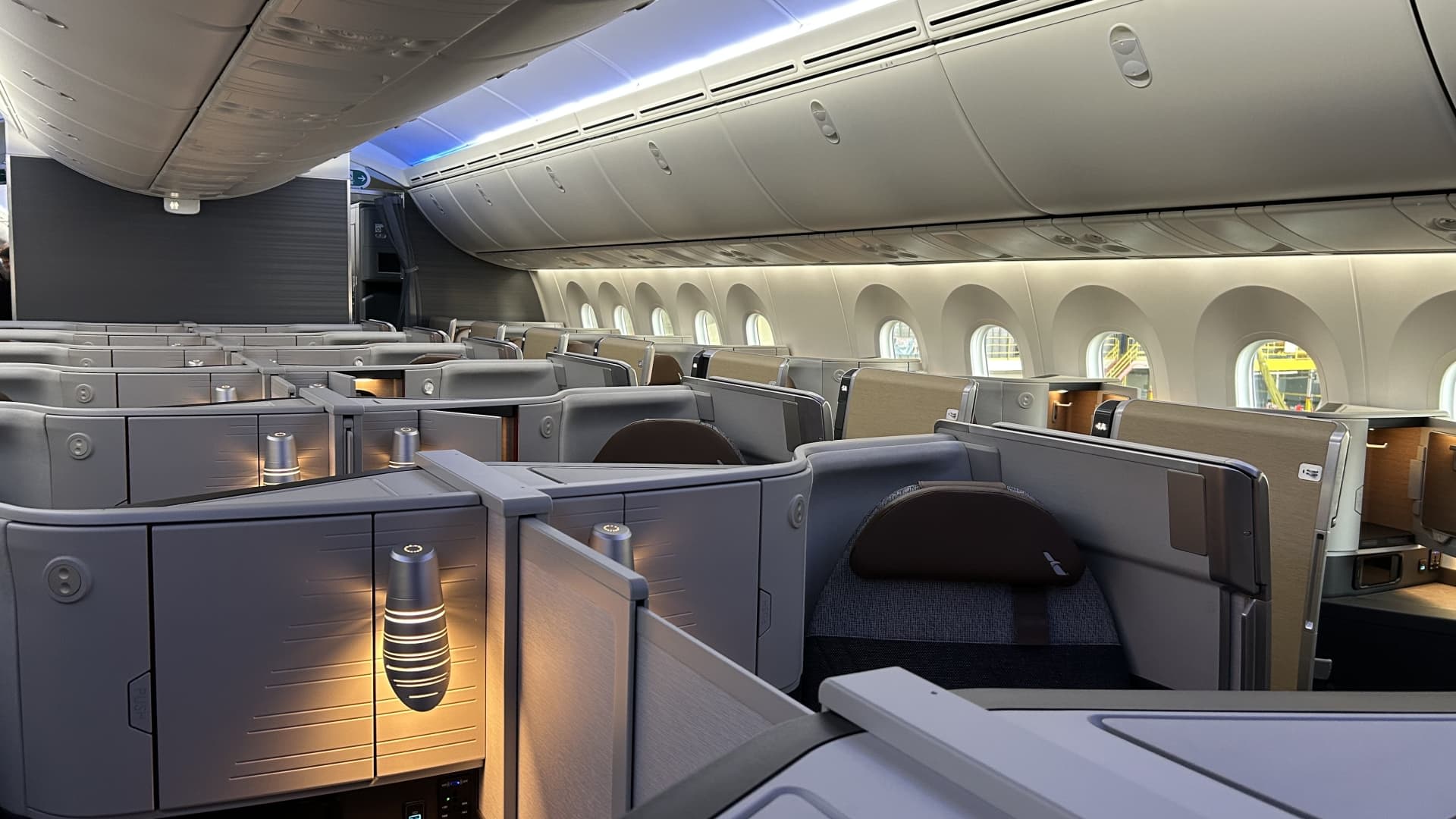
U.S. airlines have officially phased out international first-class cabins, replacing them with expanded, luxury-focused business-class suites. This shift reflects a broader industry trend toward maximizing passenger capacity while offering high-end amenities like sliding doors.
The End of an Era: The Evolution of U.S. International Air Travel
The landscape of long-haul aviation has undergone a permanent transformation this week as American Airlines officially retired its last remaining international first-class cabin. This milestone marks the end of a long-standing tradition in American aviation, where the distinction between business and first class was once clearly demarcated by service, privacy, and exclusivity. With the landing of American’s final flight featuring its eight-suite first-class configuration, the U.S. airline industry has reached a collective consensus: the traditional first-class product is no longer economically or operationally viable.
The Rise of the Mega Business-Class Cabin
As the industry pivots away from the ultra-premium first-class tier, airlines are doubling down on what they term the "mega business-class cabin." By removing the space-intensive eight-seat first-class sections, carriers like American, Delta, and United are reclaiming significant square footage within the fuselage. This space is being repurposed to accommodate as many as 70 passengers in a consolidated, high-end business class. This transition allows airlines to optimize yield management, ensuring that the most profitable section of the plane is both scalable and consistently filled.
Design Trends: The Suite Revolution
The modern passenger experience is now defined by the "suite" concept. Following the lead of international carriers, U.S. airlines are standardizing their premium offerings with features such as sliding doors, which provide a level of seclusion that was previously reserved for first-class passengers. This design, currently the design du jour, bridges the gap between traditional business class and the defunct first class. By offering these enhancements at a business-class price point, airlines are successfully marketing a luxury experience to a wider demographic of corporate and high-net-worth travelers.
Historical Context and Market Shifts
To understand this shift, one must look back at the golden age of aviation, exemplified by the Pan American (Pan Am) Boeing 747 era of the 1970s, where first class was a symbol of opulence, often featuring gourmet service and expansive legroom. Over the decades, however, the economic realities of the airline industry—marked by fuel price volatility and the necessity for higher seat density—have eroded the viability of the traditional first-class model. The current consolidation represents a maturation of the market, where efficiency meets modern expectations of privacy.
Broader Implications for the Future
This shift suggests that future trends in aviation will focus on the 'premiumization' of the entire cabin rather than the preservation of ultra-exclusive tiers. As business classes become more refined, the incentive to pay a massive premium for a separate first-class cabin diminishes. For the average long-haul traveler, the 'difference' between the legacy first class and the new, souped-up business class may be negligible, signaling a new era of democratic luxury in the skies. The focus remains on maximizing the utility of the aircraft footprint while maintaining a competitive edge in a crowded global market.