Engineer identifies and explains every '90s computer seen in Jurassic Park
Source Entity
Samuel Axon
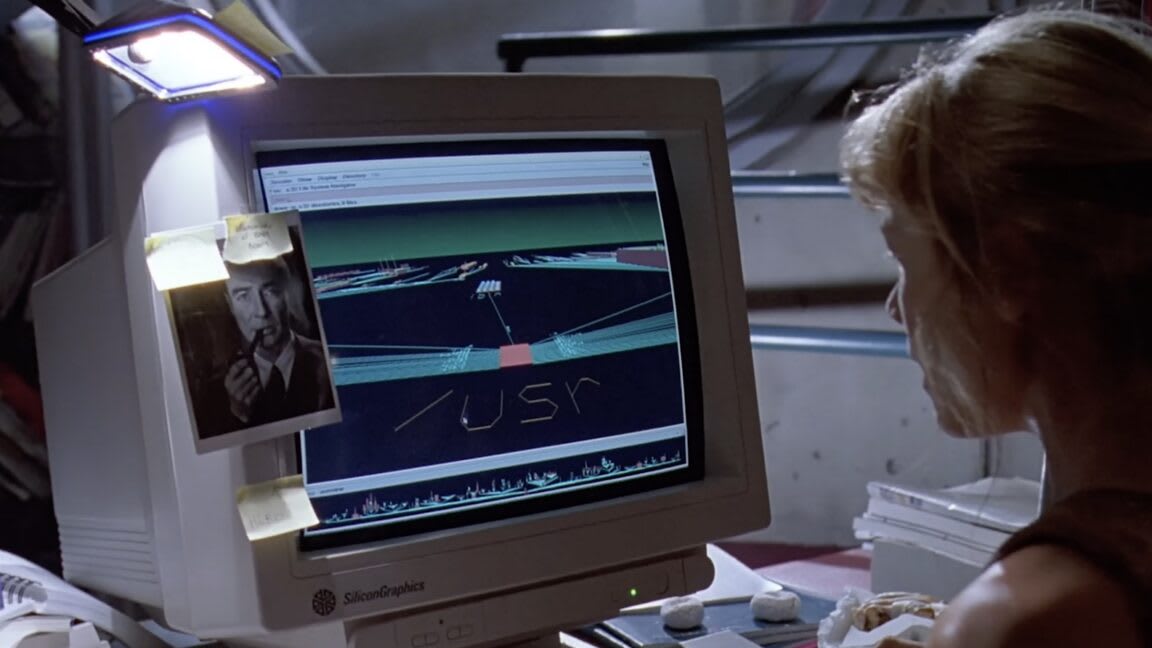
An engineer has conducted a detailed technical analysis of the computer hardware and software featured in the 1993 film Jurassic Park, confirming that the systems depicted were based on Unix.
Decoding the Digital DNA of Jurassic Park
For decades, cinema enthusiasts and tech historians have marveled at the control room of Jurassic Park, a visual representation of high-end computing from the early 1990s. A recent effort by a dedicated engineer has finally provided a definitive catalog of every computer system seen in the film, bridging the gap between cinematic prop design and real-world computing history. The most significant revelation from this analysis is the confirmation that the systems were indeed running Unix, a powerful multi-user, multitasking operating system that served as the backbone for scientific and industrial computing during that era.
The Significance of the Unix Revelation
The identification of Unix as the core operating system is not merely a trivia point; it provides critical context regarding the intended "realism" of the film's production. In the early '90s, Unix was the gold standard for workstations requiring high computational power and stability, far removed from the consumer-grade Windows or Macintosh systems of the time. By utilizing Unix-like interfaces, the film's production designers successfully conveyed a sense of institutional authority and technical sophistication. This choice mirrored the actual infrastructure that would have been used to manage a complex genetic facility, where stability and network communication were paramount.
Hardware Archaeology and SGI Influence
Beyond the software, the engineer's analysis sheds light on the specific hardware silhouettes that define the film's aesthetic. Much of the equipment seen in the movie echoes the design language of Silicon Graphics, Inc. (SGI) workstations. SGI was the titan of 3D graphics and visualization in the 1990s, and their hardware was often the only choice for companies doing heavy-duty simulation or rendering. The chunky, industrial design of these machines, combined with the distinct command-line interfaces and early graphical user interfaces (GUIs), created a visual shorthand for "cutting-edge science" that remains iconic today.
The Intersection of Cinema and Technical Accuracy
This deep dive highlights a fascinating trend in "digital archaeology," where modern experts use high-definition remasters of old films to identify legacy technology. The process involves frame-by-frame analysis of screen captures, identifying specific font kernels, window borders, and command-line syntax. This level of scrutiny reveals how Jurassic Park didn't just use generic "computer screens" but integrated elements that felt authentic to the professional engineering environment of 1993. It demonstrates a commitment to world-building where the technology serves as a character, grounding the fantastical elements of dinosaur cloning in a tangible, believable reality.
Broader Implications for Legacy Computing
The fascination with identifying these systems reflects a broader cultural nostalgia for the "clunky" era of computing, a time when hardware was tactile and operating systems were less abstracted. Today's seamless, cloud-based environments contrast sharply with the localized, powerful workstations of the '90s. This analysis encourages a reappraisal of the architectural foundations of modern computing, as many of the principles found in the Unix systems of Jurassic Park continue to power the servers and cloud infrastructures that run the modern internet.
Conclusion
By meticulously documenting the hardware and software of Jurassic Park, the engineer has provided more than just a list of machines; they have preserved a snapshot of technological history. The confirmation of Unix systems and the identification of period-accurate workstations underscore the film's lasting legacy not just as a cinematic masterpiece, but as a time capsule of the professional computing landscape of the late 20th century.