Higher pension to 4.45 lakh applicants may cost EPFO ₹1.1 lakh crore
Source Entity
India Latest News: Top National Headlines Today & Breaking News | The Hindu
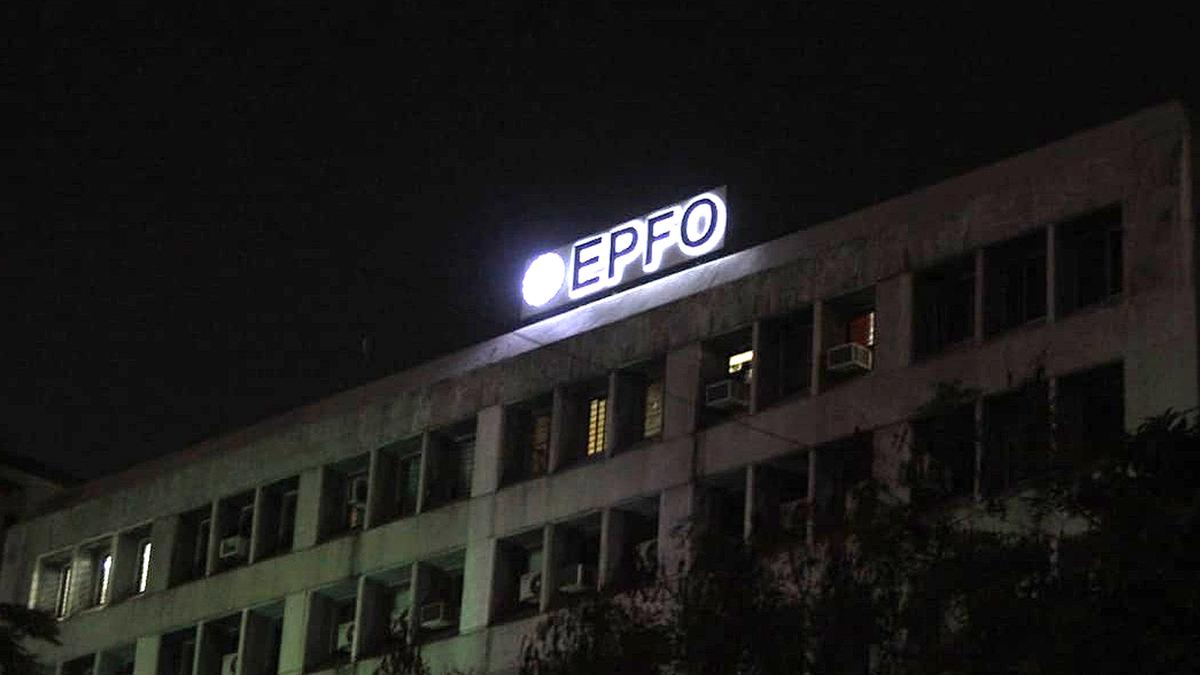
The EPFO is facing a significant financial burden of ₹1.1 lakh crore to provide higher pensions to over 4.45 lakh applicants following a Supreme Court mandate. Simultaneously, the organization reports it cannot recover ₹1,800 crore defaulted by Reliance Capital, raising concerns over portfolio management and fund security.
Financial Strain and Regulatory Challenges at the EPFO
The Burden of Higher Pension Mandates
Four years following a landmark Supreme Court judgment, the Employees Provident Fund Organisation (EPFO) faces a monumental fiscal challenge. The organization has calculated that fulfilling the mandate to provide higher pensions based on actual wages will require an additional ₹1.109 lakh crore. As of November 13, the EPFO has processed a massive volume of requests, issuing demand letters to 445,471 applicants and finalizing pension payment orders (PPOs) for 151,874 individuals. This transition represents a significant shift in the social security landscape for Indian retirees, ensuring that pension payouts more accurately reflect historical wage contributions.
Administrative Hurdles in Application Processing
The scale of this administrative undertaking is evidenced by the 17.49 lakh total applications received. However, the process has not been without friction; approximately 2.24 lakh applications were left unforwarded by employers by the January 31 deadline, creating a backlog and potential disputes regarding eligibility. The EPFO’s communication to the Central Board of Trustees (CBT) highlights the complexity of validating these claims while maintaining the integrity of the retirement corpus.
The Reliance Capital Default Crisis
Compounding the fiscal pressure of pension payouts is the ongoing crisis regarding the ₹1,800 crore default by Reliance Capital Ltd (RCL). The EPFO has formally acknowledged to its trustees that, based on current legal assessments, there appears to be no viable route to recover the remaining principal or interest from the defaulted entity. This admission marks a somber development for the retirement fund, which is tasked with the stewardship of salaried workers' savings.
Oversight and Enforcement Concerns
The CBT meeting, scheduled for November 19, 2026, serves as a critical juncture for governance. Beyond the RCL default, trustees are reviewing material provided by the Enforcement Directorate (ED) concerning alleged fraudulent transactions and the diversion of funds. This scrutiny underscores the growing need for stricter oversight of the EPFO’s portfolio managers and the investment vehicles used to grow the fund’s corpus.
Future Implications for Retirement Security
The dual pressure of increased payout liabilities and unrecoverable defaults poses a structural challenge to the sustainability of the EPFO’s fund management. As the organization navigates these issues, the focus will likely shift toward more robust risk management frameworks and a more rigorous approach to monitoring corporate debt holdings. The inability to recover funds from Reliance Capital serves as a cautionary tale for the management of public retirement assets, highlighting the volatility inherent in market-linked investments.
Conclusion
The EPFO stands at a critical crossroads. While the organization is successfully implementing the Supreme Court’s higher pension directive, the financial cost of doing so, coupled with the loss of significant capital through corporate defaults, necessitates a comprehensive evaluation of its investment strategies. The upcoming discussions among trustees will be pivotal in shaping the future of India’s retirement security architecture.
Verification Required?