The goofy Viking: How Haaland won the internet’s heart, one viral clip at a time
Source Entity
Amit Kamath
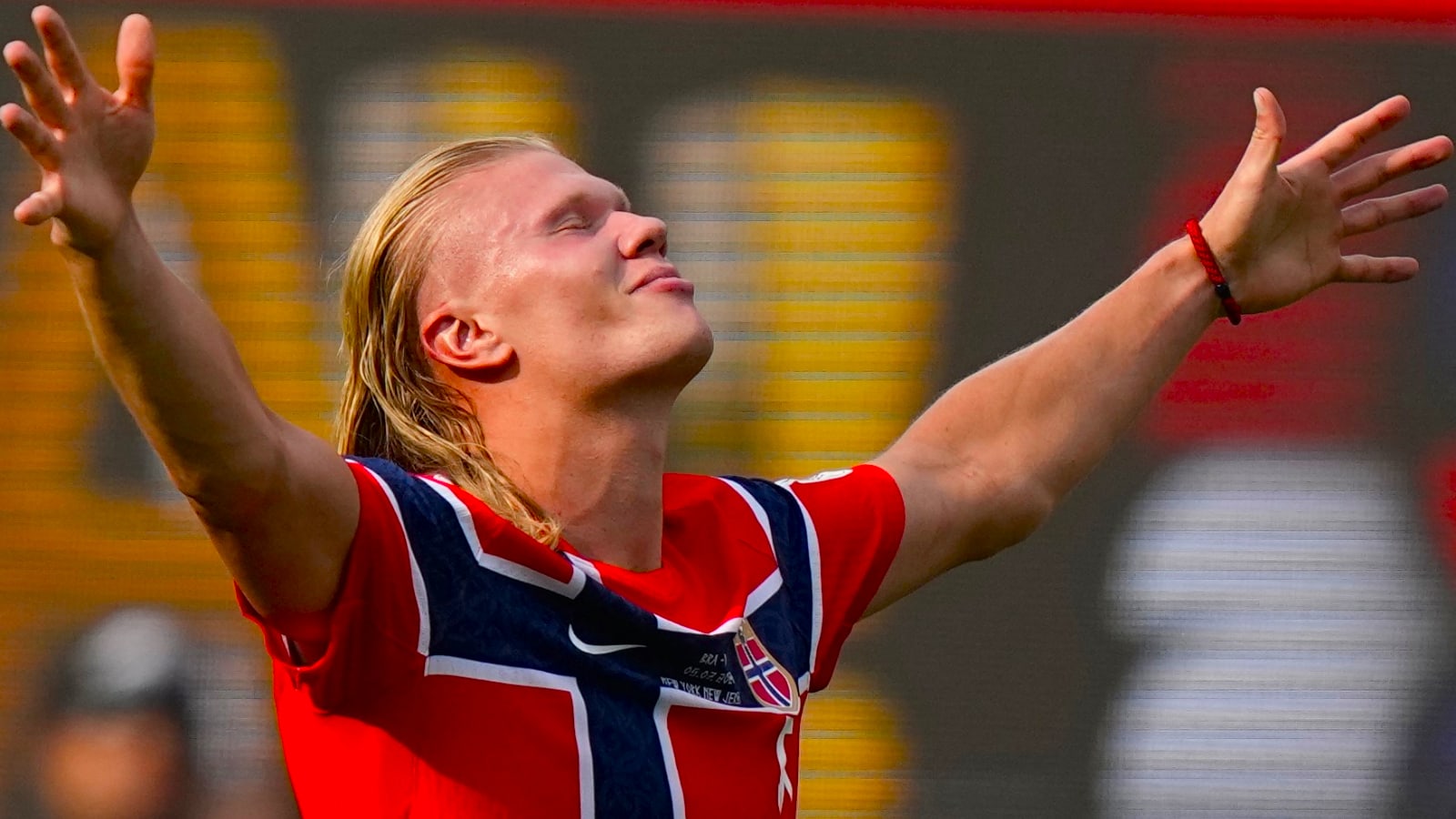
During the FIFA World Cup in 2022, when the rest of the world was focussed on the best in the business hawking their wares in Qatar, Sky Sports and Manchester City posted a mockumentary-style video wi...
The Digital Transformation of a Sporting Giant
Erling Haaland is widely regarded as one of the most clinical strikers in the history of modern football, often described by fans and pundits as a 'cyborg' or a 'terminator' due to his imposing physique and relentless efficiency in front of goal. However, the narrative surrounding Haaland shifted significantly during the 2022 FIFA World Cup. While the global spotlight was focused on the high-stakes matches in Qatar, a strategic collaboration between Sky Sports and Manchester City released a mockumentary-style video that peeled back the curtain on Haaland's personality. This content did more than just entertain; it humanized an athlete who had previously seemed almost superhuman, introducing the world to the 'goofy Viking' persona.
The Strategic Use of the Mockumentary Format
The decision to utilize a mockumentary style was a masterstroke in digital storytelling. By eschewing the traditional, polished athlete PR—which typically consists of scripted interviews and sterile training montages—Manchester City and Sky Sports leaned into the awkward, authentic, and humorous side of Haaland. This format allowed for a juxtaposition between his intimidating presence on the pitch and his quirky, often self-deprecating nature off it. In an era of hyper-curated social media feeds, this perceived authenticity resonated deeply with a global audience, proving that vulnerability and humor are powerful tools for brand building in professional sports.
Deconstructing the 'Goofy Viking' Archetype
Haaland's appeal lies in the stark contrast between his Norse heritage and his personality. The 'Viking' label evokes images of strength, aggression, and stoicism, yet the viral clips showcased a man who is genuinely eccentric and lighthearted. This dichotomy created a 'meme-able' quality that is essential for success in the current attention economy. By embracing the 'goofy' label, Haaland transitioned from being merely a sporting asset to becoming a cultural figure. This shift ensured that he remained relevant in the digital conversation even during periods when he wasn't playing, effectively expanding his reach beyond the core football demographic to a broader, internet-savvy audience.
Broader Implications for Modern Sports Marketing
This event signals a broader shift in how elite athletes are marketed. We are moving away from the era of the 'untouchable superstar' and toward the era of the 'relatable icon.' The success of the Haaland clips demonstrates that fans are increasingly drawn to athletes who do not take themselves too seriously. For clubs like Manchester City, this approach serves as a powerful tool for global engagement. By allowing their stars to exhibit personality, clubs can foster a deeper emotional connection between the player and the fanbase, which in turn drives merchandise sales, social media growth, and overall brand loyalty.
Psychological Impact and Fan Connection
From a psychological perspective, the 'goofy Viking' narrative breaks down the barrier of intimidation. When fans see a world-class athlete acting awkward or making jokes at their own expense, it creates a parasocial bond based on relatability. This emotional investment is crucial; it transforms a fan's appreciation from 'I admire his skill' to 'I like him as a person.' The 2022 World Cup campaign effectively leveraged this, ensuring that Haaland was not just feared by defenders but loved by the internet, creating a protective layer of public affection that supports an athlete through the inevitable pressures of high-level competition.
Future Trends in Athlete Branding
Looking forward, the 'Haaland model' is likely to become a blueprint for the next generation of sporting superstars. We can expect to see more 'unfiltered' content and a rise in long-form, personality-driven storytelling over short, promotional snippets. As Gen Z and Gen Alpha become the primary consumers of sports media, the demand for authenticity will only increase. Athletes who can successfully balance elite performance with a genuine, quirky personality will hold a significant competitive advantage in terms of endorsement deals and global influence.
Summary
The viral mockumentary featuring Erling Haaland was not merely a piece of clever marketing; it was a pivotal moment in the evolution of his public identity. By blending the imposing image of a Viking with a goofy, relatable persona, Manchester City and Sky Sports successfully bridged the gap between elite athleticism and human connection. This strategic move solidified Haaland's status as a global icon, proving that in the modern digital landscape, personality is just as valuable as performance.