PM's top security adviser says Europe faces hard winter to keep pressure on Putin
Source Entity
BBC News
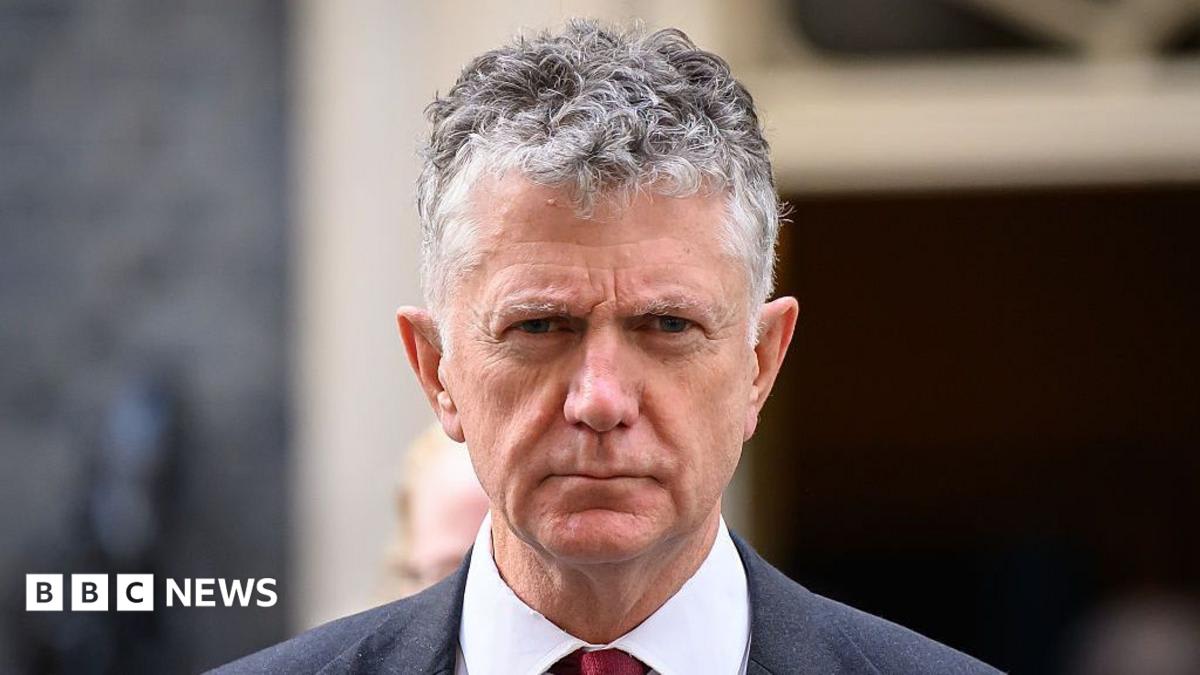
Jonathan Powell, a key security adviser, warns that Europe faces a difficult winter as it must maintain pressure on Russia despite potential energy shortages. He urges continued economic and military support for Ukraine to prevent Vladimir Putin from exploiting the situation.
The Strategic Imperative: Sustaining Pressure on Russia
In a candid assessment at the Yalta European Strategy forum, Jonathan Powell, a top security adviser, has issued a stark warning regarding the geopolitical landscape facing Europe. As the conflict in Ukraine persists, Powell emphasized that now is a critical juncture where European nations must resist the urge to relax their stance against the Russian administration. His remarks underscore a growing recognition that the current strategy of containment and support for Kyiv is yielding results, but that this success is fragile and requires unwavering commitment.
The Energy Dilemma and Winter Hardship
Central to Powell's warning is the looming energy crisis. As winter approaches, the European Union faces the genuine risk of fuel shortages, a vulnerability that Russia may seek to exploit as a geopolitical lever. Powell explicitly noted that while the reliance on gas presents a practical challenge, it must not become a strategic advantage for Vladimir Putin. The adviser acknowledged that navigating these coming months will demand significant economic and social sacrifices from European citizens, framing this hardship as a necessary burden to uphold broader security interests.
Assessing the Current State of the Conflict
Powell provided a sobering look at the current operational reality in Ukraine, admitting that the situation feels increasingly difficult. He highlighted the persistent threat posed by Russian drone attacks and the deliberate targeting of Ukrainian commercial infrastructure, which serves to erode the nation's economic stability. Furthermore, the shortage of critical defensive assets, such as Patriot air defense systems capable of intercepting ballistic missiles, remains a significant gap in Ukraine's ability to protect its population and critical facilities.
The Necessity of Holistic Support
Beyond military hardware, Powell argued that the coalition supporting Ukraine must maintain a multi-pronged approach. He stressed that economic, military, political, and diplomatic support must be sustained in tandem. By failing to provide comprehensive assistance, the international community risks allowing the momentum to shift in favor of Russian objectives. The call to action is clear: the collective resolve of European nations is the primary defense against the normalization of Russian aggression.
Broader Implications and Future Trends
Looking ahead, the narrative set by Powell suggests that the war in Ukraine has transitioned into a long-term test of endurance. The ability of European nations to manage domestic energy costs while maintaining high-level military aid will determine the future trajectory of the conflict. If Europe can successfully weather the winter without retreating from its commitments, it will likely reinforce the viability of the current diplomatic and economic strategy. Conversely, any wavering in resolve could provide the opening that the Russian leadership is actively seeking, potentially altering the strategic map of Eastern Europe for years to come.