‘Every minute important’: Inside the fast-track court racing to try NEET leak case
Source Entity
Nirbhay Thakur
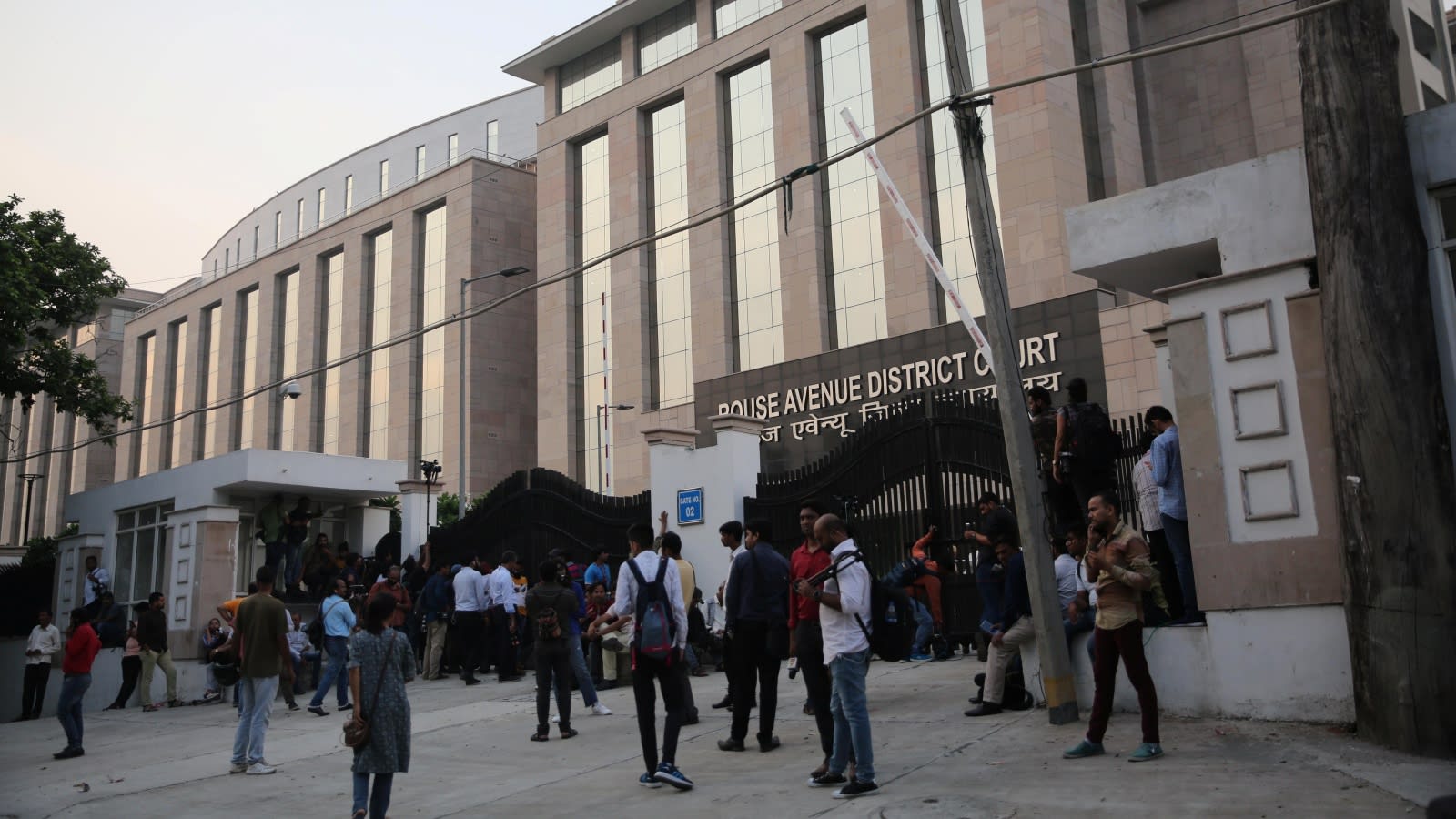
Judge Ajay Gupta is presiding over a high-stakes fast-track trial concerning the NEET-UG paper leak case at Delhi's Rouse Avenue Court. The court is maintaining a rigorous daily schedule to ensure accountability for the 13 accused individuals involved in the scandal.
The Judicial Push for Accountability in the NEET-UG Scandal
For over 40 days, the corridors of Delhi’s Rouse Avenue Court have been the epicenter of a rigorous legal effort to address the NEET-UG paper leak case. Presided over by Judge Ajay Gupta, the Fast Track Special Court has adopted an uncompromising schedule, reflecting the national urgency surrounding the integrity of medical entrance examinations. This proactive judicial approach underscores the gravity of the situation, as the court works to process the case against 13 accused individuals with minimal delay.
Efficiency as a Judicial Mandate
The court’s operation, beginning promptly at 10 am each working day, serves as a testament to the prioritization of this case. By accelerating the scrutiny of chargesheets and the hearing of preliminary arguments, Judge Gupta is attempting to restore public trust in the examination process. This fast-track mechanism is designed to prevent the typical procedural backlogs that often plague high-profile legal matters, ensuring that justice is both swift and visible.
Overcoming Procedural Obstacles
The intensity of the proceedings was highlighted during a recent session when the defense requested a deferral due to ongoing investigations. Judge Gupta’s firm rebuttal—reminding counsel that “time is very precious” and offering to extend hearings throughout the day—illustrates the court’s commitment to maintaining momentum. This insistence on punctuality and continuous progress is essential in a case where the integrity of national academic standards remains at stake.
Broader Implications for Examination Integrity
The NEET-UG paper leak has broader implications for India's competitive education landscape, affecting thousands of students who rely on standardized testing for career advancement. The actions taken in Judge Gupta’s courtroom are not merely about the 13 accused; they represent a systemic attempt to hold perpetrators accountable and deter future malfeasance. By maintaining such a stringent pace, the court is sending a clear message regarding the consequences of compromising examination security.
Future Trends in Legal Adjudication
The success of this fast-track approach could set a precedent for how the Indian judicial system handles future cases involving widespread public interest and academic fraud. As the legal community observes these proceedings, the focus remains on whether this efficiency can be sustained throughout the entire trial. If successful, this model may be replicated in other jurisdictions to handle complex, time-sensitive cases that demand immediate public resolution.
Conclusion
In summary, the ongoing trial at Rouse Avenue Court is a critical development in the aftermath of the NEET-UG controversy. Through the diligent oversight of Judge Ajay Gupta, the court is navigating the complexities of the case with a focus on speed and procedural integrity. As the trial continues, the focus will remain on the court's ability to balance the rights of the accused with the urgent public need for a definitive and timely conclusion to this significant legal challenge.