Fed’s Waller says interest-rate hikes may be needed to ‘shock’ inflation out of the system
Source Entity
Greg Robb
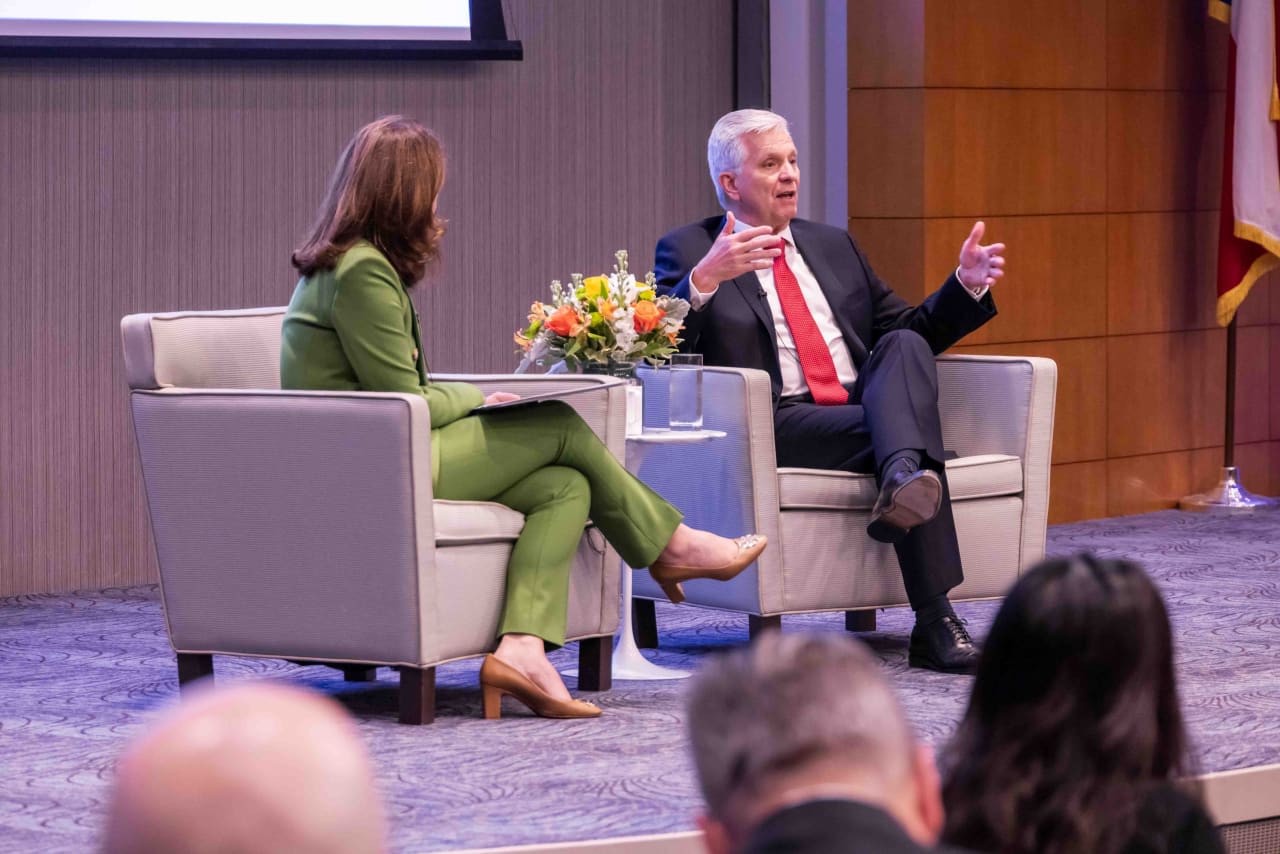
Federal Reserve Governor Christopher Waller has signaled that aggressive interest rate hikes, potentially exceeding a full percentage point, may be necessary to curb inflation. This move highlights the central bank's commitment to cooling the economy by tightening monetary policy.
The Fed's Aggressive Pivot to Combat Inflation
Federal Reserve Governor Christopher Waller recently signaled a significant shift in monetary strategy, suggesting that the central bank may need to implement interest rate hikes of a full percentage point or more. This hawkish stance reflects a growing consensus within the Federal Reserve that traditional, incremental rate adjustments may no longer be sufficient to "shock" persistent inflation out of the United States economy. By openly discussing such substantial increases, Waller is managing market expectations and signaling a heightened level of urgency regarding the central bank's dual mandate of price stability and maximum employment.
The Mechanics of the Inflationary 'Shock'
The term "shock" in this context implies a departure from the more predictable, measured rate hikes that markets have become accustomed to over the last decade. Historically, the Federal Reserve has preferred gradualism to avoid destabilizing financial markets. However, with inflation rates reaching levels not seen in decades, the calculus has changed. A full percentage point hike would represent a dramatic tightening of financial conditions, aimed at rapidly increasing the cost of borrowing for both businesses and consumers, thereby dampening aggregate demand and slowing the velocity of price increases across the supply chain.
Broader Economic Implications
If the Federal Reserve follows through on these aggressive projections, the economic ripple effects will be profound. Higher interest rates typically lead to an appreciation of the dollar, which can help lower the cost of imports but simultaneously makes exports less competitive globally. For consumers, this translates into higher interest rates on mortgages, auto loans, and credit cards, effectively reducing disposable income. For businesses, the increased cost of capital may lead to a slowdown in capital expenditure and hiring, as companies recalibrate their growth strategies in a higher-rate environment.
Historical Context and Precedents
To understand the gravity of Waller's comments, one must look back to the late 1970s and early 1980s, when then-Fed Chair Paul Volcker famously raised interest rates to unprecedented levels to break the back of stagflation. While current economic conditions differ significantly, the philosophy remains the same: when inflation expectations become entrenched, the central bank must act decisively to restore credibility. Waller’s comments serve as a reminder that the Fed is willing to prioritize long-term price stability over short-term market volatility or growth, echoing the necessity of the Volcker-era tactics in a modern context.
Predicting Future Market Trends
Looking ahead, the market will likely experience heightened sensitivity to any data releases regarding the Consumer Price Index (CPI) and employment figures. Investors should prepare for a period of ongoing volatility as the Federal Reserve tests the economy's resilience to higher rates. If inflation does not demonstrate a clear downward trend in the coming months, the likelihood of a 100-basis-point hike will transition from a rhetorical possibility to a policy reality. This environment suggests a shift in investment strategy toward defensive sectors that can withstand higher borrowing costs and dampened consumer spending.
Conclusion: A Turning Point for Monetary Policy
In conclusion, Governor Christopher Waller’s recent remarks mark a pivotal moment in the Federal Reserve’s battle against inflation. By introducing the possibility of aggressive rate hikes, the Fed is clearly signaling that it will not hesitate to use its most potent tools to prevent inflation from becoming structural. While the path ahead may involve economic discomfort, the central bank is betting that a short-term "shock" is the most effective way to ensure long-term macroeconomic stability, setting the stage for a transformative period in global financial policy.
Verification Required?