Fed officials saw October rate hold as a ‘close call,’ minutes show
Source Entity
Cointelegraph by Felix Ng
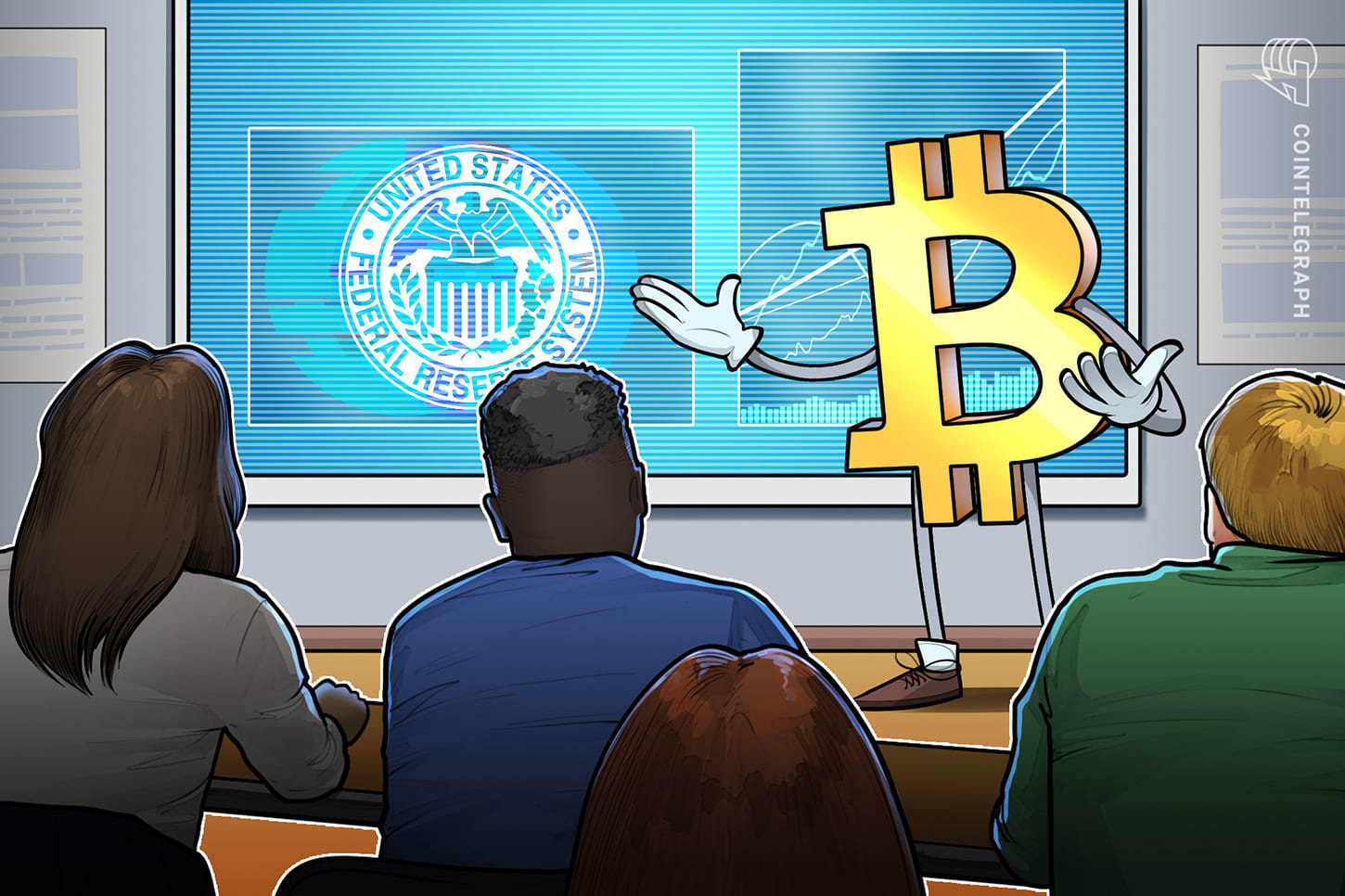
Federal Reserve officials are signaling further interest rate hikes to combat persistent, broad-based inflation. Policymakers are particularly concerned about the inflationary pressures driven by artificial intelligence demand.
The Federal Reserve's Tightening Path: Navigating Inflationary Risks
Financial markets are currently operating under the firm expectation that the Federal Reserve will implement a quarter percentage point interest rate hike during its December meeting. This anticipation is heavily supported by CME Group’s FedWatch data, which aligns with market sentiment regarding the trajectory of monetary policy. While the immediate December move appears largely priced in, the broader economic horizon remains complex and subject to intense debate among central bankers.
Diverging Views on Monetary Strategy
Although there is a consensus on the necessity of further tightening, the degree of aggression remains a point of contention within the Federal Open Market Committee (FOMC). Governor Christopher Waller has publicly entertained the possibility of a more significant half-point increase in December, while St. Louis Fed President Alberto Musalem has suggested a more rapid pace, projecting up to four hikes by the spring of 2027. These statements highlight a growing divide between those prioritizing a measured approach and those favoring more decisive action to curb price instability.
The Role of Artificial Intelligence in Inflation
One of the most notable developments from the recent October FOMC meeting minutes is the explicit focus on artificial intelligence as a macroeconomic variable. Policymakers identified the surging demand associated with AI development as a potential "material source of inflation risk." This inclusion marks a significant shift in central bank analysis, suggesting that the rapid integration of new technologies into the economy may be creating supply-side bottlenecks or demand pressures that complicate the Fed's ability to manage inflation through traditional interest rate levers.
Assessing Broad-Based Inflation Pressures
Beyond the specific impact of technological sectors, the Fed’s October meeting minutes emphasized that inflation pressures remain "broad-based" throughout the economy. Despite a brief pause in rate hikes at the October meeting—where officials opted to hold rates between 3.75% and 4% to gather more data—the underlying sentiment remains hawkish. The minutes reveal that "almost all" participants believe further increases are essential, reflecting a commitment to returning inflation to target levels despite the risks to economic growth.
Future Trends and Market Uncertainty
The path beyond December remains shrouded in uncertainty. With futures markets pricing in additional hikes through 2027, the Federal Reserve is currently balancing the need to quell inflationary expectations without triggering a contractionary shock. As the central bank continues to digest data, the interplay between AI-driven economic growth and traditional price stability will likely remain the primary narrative defining monetary policy in the coming years. Investors should prepare for a period of ongoing volatility as the Fed recalibrates its stance based on incoming economic indicators.