The smartest money moves to make with interest rates expected to go higher
Source Entity
Andrew Keshner
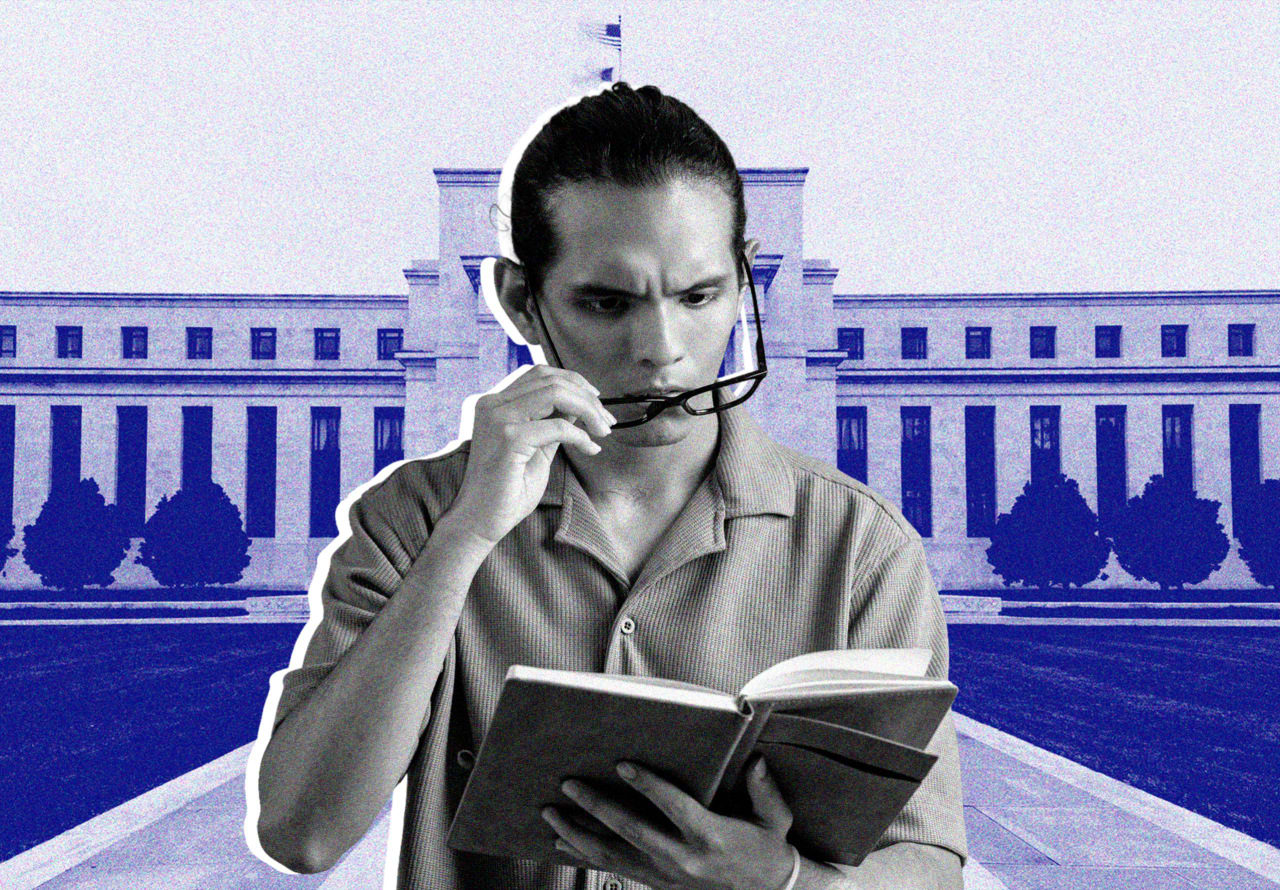
The Federal Reserve is anticipated to initiate its first interest rate hike in over three years, signaling a shift in monetary policy. Experts warn of potential market volatility and increased costs for consumers while suggesting strategic adjustments for investments and loans.
The Federal Reserve's Policy Pivot: A New Era of Interest Rates
The Federal Reserve is poised to break a three-year hiatus on interest rate hikes, with market indicators currently reflecting a 90% probability of a quarter-point increase. This move by Chairman Kevin Warsh and the Federal Open Market Committee (FOMC) represents a critical shift in the central bank’s approach to managing economic stability. As the landscape of monetary policy changes, the primary focus remains on how this adjustment will influence both institutional markets and the personal finances of individual consumers.
Market Expectations and Institutional Outlook
Wall Street analysts, including John Shugar of Goldman Sachs, have expressed a cautiously optimistic outlook regarding this transition. While earnings growth has provided a strong foundation for the current market, Shugar notes that investors should prepare for short-term 'speed bumps' following the announcement. Despite potential immediate volatility, the underlying strength in sectors like artificial intelligence suggests that the market may find resilience, provided the transition to a higher-rate environment is managed effectively.
The Challenge of Controlling Long-Term Yields
One of the primary objectives often cited for central bank rate hikes is the mitigation of rapid rises in longer-term bond yields. However, historical precedent provides a sobering perspective: raising short-term rates does not guarantee a successful cooling of long-term yields. This historical context suggests that the Federal Reserve may face significant challenges in steering bond markets, potentially leading to persistent pressure on fixed-income investments despite the proactive policy shift.
Impact on Consumer Financial Health
The impending rate hike is expected to 'bite' consumers directly, primarily through the increased cost of borrowing. As interest rates rise, consumers should anticipate higher costs associated with credit cards, personal loans, and potentially mortgage products. This creates a challenging environment for household budgeting, as the cost of servicing existing debt increases while the threshold for new borrowing becomes more expensive.
Strategic Financial Preparation
In light of these developments, financial experts emphasize the importance of proactive preparation. Consumers are encouraged to review their debt structures—specifically prioritizing the repayment of high-interest credit card balances—before the full effect of the rate increase is realized. By assessing loan terms and optimizing personal balance sheets, individuals can better insulate themselves from the tightening credit conditions that typically follow an FOMC rate hike cycle.
Looking Ahead: Navigating the Policy Transition
As the Federal Reserve embarks on this new trajectory, the broader economic implications will likely unfold over the coming months. While the immediate focus is on the announcement itself, the long-term trend points toward a period of adjustment for both corporations and households. Monitoring the interplay between Fed policy, consumer spending power, and market sector performance will be essential for navigating the potential volatility that defines the next phase of this economic cycle.
Multiple Citing Sources
Verification Required?