FIFA open to 64-team World Cup in 2030, says president Infantino
Source Entity
The Indian Express
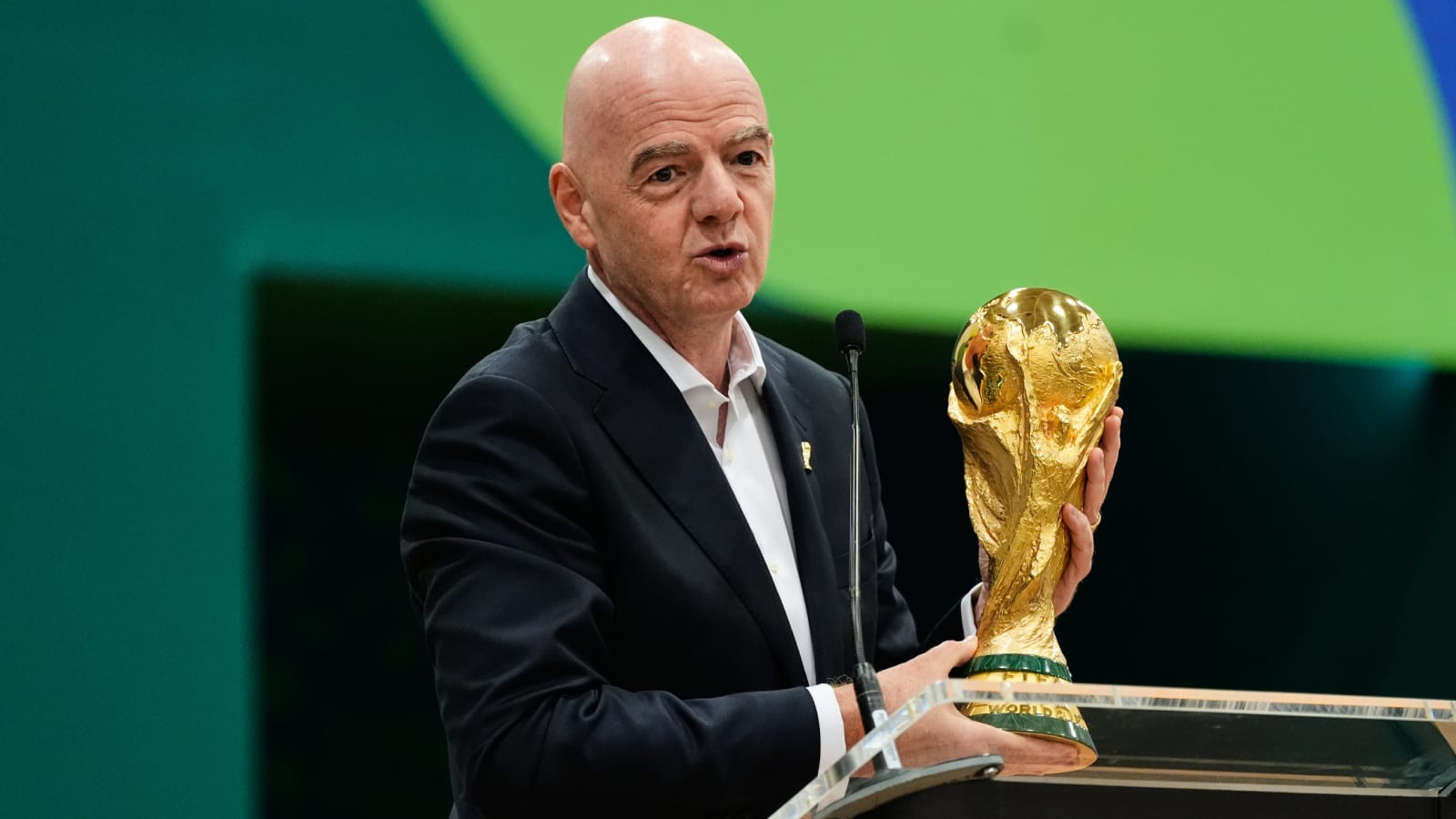
After the success of the 48-team World Cup, FIFA boss Gianni Infantino has already raised expansion talks, wanting to go up to 64 teams as early as the 2030 World Cup. The Swiss lawyer said the tourna...
The Horizon of Global Football: Analyzing FIFA's Potential 64-Team Expansion
FIFA President Gianni Infantino has once again sparked a global conversation regarding the scale and structure of international football by suggesting that the World Cup could expand to 64 teams by 2030. This proposal comes on the heels of the transition to a 48-team format, signaling a strategic pivot toward a more inclusive, albeit more complex, tournament structure. Infantino's openness to this expansion reflects a vision where the World Cup is not merely a championship for elite nations but a truly global festival that encompasses a wider array of footballing cultures.
The Evolution of the Tournament Format
To understand the implications of a 64-team tournament, one must look at the historical trajectory of the World Cup. For decades, the 32-team format was seen as the gold standard, balancing competitive quality with manageable logistics. However, the shift to 48 teams was already a significant leap, designed to provide more opportunities for nations from Africa, Asia, and North America. Moving to 64 teams would be an unprecedented escalation, potentially transforming the tournament into a massive multi-national event that tests the limits of sporting administration and player endurance.
Logistical Hurdles and Player Welfare
Expanding to 64 teams introduces staggering logistical challenges. The sheer number of matches required to determine a winner would increase exponentially, putting immense pressure on host nations to provide a vast array of world-class stadiums and infrastructure. More critically, the concern over player welfare becomes paramount. With more matches and a longer tournament duration, the risk of burnout and injury for top-tier athletes—who already face grueling club schedules—increases. The footballing community must weigh the benefit of inclusivity against the physical toll on the world's best players, which could paradoxically lower the quality of the final stages.
The Economic Engine of Expansion
From a business perspective, Infantino's proposal is a masterstroke in revenue generation. More teams mean more matches, which translates directly into increased broadcasting rights, higher sponsorship valuations, and more ticket sales. By broadening the participant pool, FIFA can penetrate new markets and increase the commercial footprint of the sport in regions where football is growing but lacks a consistent presence on the world stage. This economic surge provides FIFA with more capital to reinvest in football development globally, though critics argue that the primary motivation is profit over sporting merit.
Balancing Inclusivity and Elite Quality
One of the most contentious points of a 64-team expansion is the potential dilution of the tournament's prestige. The allure of the World Cup has always been its exclusivity—the idea that only the very best qualify. By opening the gates to 64 nations, there is a risk that the group stages will feature a higher frequency of mismatched contests, potentially boring audiences and reducing the stakes of the early rounds. However, FIFA views this as 'democratizing' the game, arguing that giving smaller nations a chance to compete on the biggest stage inspires millions of fans and players worldwide.
Geopolitical Reach and Future Trends
Infantino's strategy suggests a long-term goal of making the World Cup a permanent fixture of global diplomacy and soft power. By involving more countries, FIFA strengthens its political ties with national federations across every continent, ensuring a loyal voting bloc and widespread institutional support. Looking forward, if a 64-team format is adopted, we may see a shift toward multi-continental hosting becoming the permanent norm, as no single country could realistically sustain the infrastructure required for such a behemoth event.
Summary
In conclusion, the prospect of a 64-team World Cup by 2030 represents a bold, controversial, and commercially driven evolution of the sport. While it promises greater inclusivity and massive financial growth, it threatens to strain the physical limits of athletes and dilute the competitive intensity of the world's most prestigious tournament. Whether FIFA proceeds with this plan will depend on the balance between the desire for global expansion and the necessity of maintaining the sporting integrity that makes the World Cup a global phenomenon.