What is FIFA's 64-team World Cup proposal? Gianni Infantino confirms 2030 expansion talks
Source Entity
Latest News: Today's Latest News Headlines from India & World | Hindustan Times | Hindustan Times
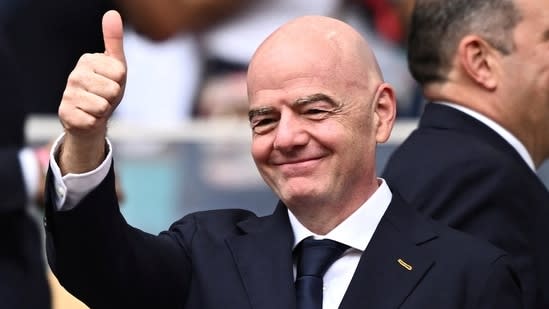
FIFA is preparing to discuss a major World Cup change, and the outcome could reshape international football in 2030.
The Evolution of Global Football: Analyzing FIFA's 64-Team Proposal
FIFA President Gianni Infantino's confirmation of discussions regarding a potential expansion of the World Cup to 64 teams for 2030 marks a pivotal moment in the evolution of the world's most prestigious sporting event. This proposal suggests a desire to further democratize the tournament, moving even beyond the recently approved expansion to 48 teams for the 2026 edition. Such a move would not only change the bracket but would fundamentally alter the landscape of international football, affecting everything from qualification processes to the physical demands on athletes and the logistical requirements of host nations.
Historical Context of Expansion
To understand the weight of a 64-team expansion, one must look at the historical trajectory of the FIFA World Cup. Since its inception in 1930 with only 13 teams, the tournament has grown in tandem with the global spread of the sport. For decades, the 32-team format was seen as the gold standard, balancing high-level competitiveness with global representation. However, the transition to 48 teams for 2026 already signaled a shift toward a "global festival" model. A jump to 64 teams would be the most aggressive expansion in the tournament's history, reflecting FIFA's strategic ambition to make the World Cup truly universal and accessible to a wider array of member associations.
Logistical and Competitive Implications
Expanding to 64 teams introduces immense logistical hurdles. A tournament of this scale would require a massive increase in host cities and stadiums, likely necessitating multi-country or even multi-continental hosting arrangements—a concept already being explored for the 2030 centennial celebration. From a competitive standpoint, the group stage would require a total restructure, potentially increasing the number of groups or the size of each group. This risks creating a dilution of quality, where elite teams face significantly lower-ranked opponents in the early stages, potentially reducing the overall tension and prestige that defines the opening rounds of the tournament.
Financial and Political Drivers
The drive toward a 64-team format is inextricably linked to financial and political incentives. More teams inevitably mean more matches, which directly translates to increased broadcasting rights revenue, higher ticket sales, and more lucrative sponsorship opportunities. Politically, expanding the tournament allows FIFA to garner support from a wider array of member associations, particularly in Africa, Asia, and North America, where football's growth is rapid. By providing more nations with a pathway to the World Cup, FIFA strengthens its institutional grip on global football governance and expands its commercial footprint into emerging markets.
Concerns Over Player Welfare
A critical point of contention in this expansion is player welfare. With a 64-team format, the number of matches required to reach the final would likely increase, adding significant strain to players who are already overburdened by grueling club schedules in elite leagues. The risk of injury and burnout increases as the tournament duration lengthens. This proposal may force a necessary conversation about the international calendar, potentially leading to mandated rest periods or a fundamental restructuring of how national team duties are balanced with professional club commitments to avoid a player crisis.
Future Trends and the 2030 Vision
Looking ahead, the 2030 World Cup serves as a symbolic anniversary of the tournament's birth. A 64-team format would align with the vision of a "World" cup in the most literal sense. It is predictable that if this proposal is adopted, the 2030 event will be the most commercially lucrative and geographically dispersed tournament ever staged. The focus will likely shift toward creating a "World Games" atmosphere, where the prestige of the trophy remains, but the event itself becomes a massive global exhibition of the sport's reach and inclusivity.
Summary of Impact
In conclusion, Gianni Infantino's confirmation of 64-team expansion talks represents a bold, if controversial, step toward the total globalization of football. While the move promises greater inclusivity and unprecedented revenue, it risks compromising the elite quality of the competition and the health of the athletes. Whether the proposal becomes a reality or remains a talking point, it underscores FIFA's commitment to expansion as its primary strategy for growth heading into the next decade.
Verification Required?