Ford starts $3 billion Michigan battery plant using Chinese tech amid US-China tensions
Source Entity
Latest News: Todays Latest News Headlines from India & World | Hindustan Times
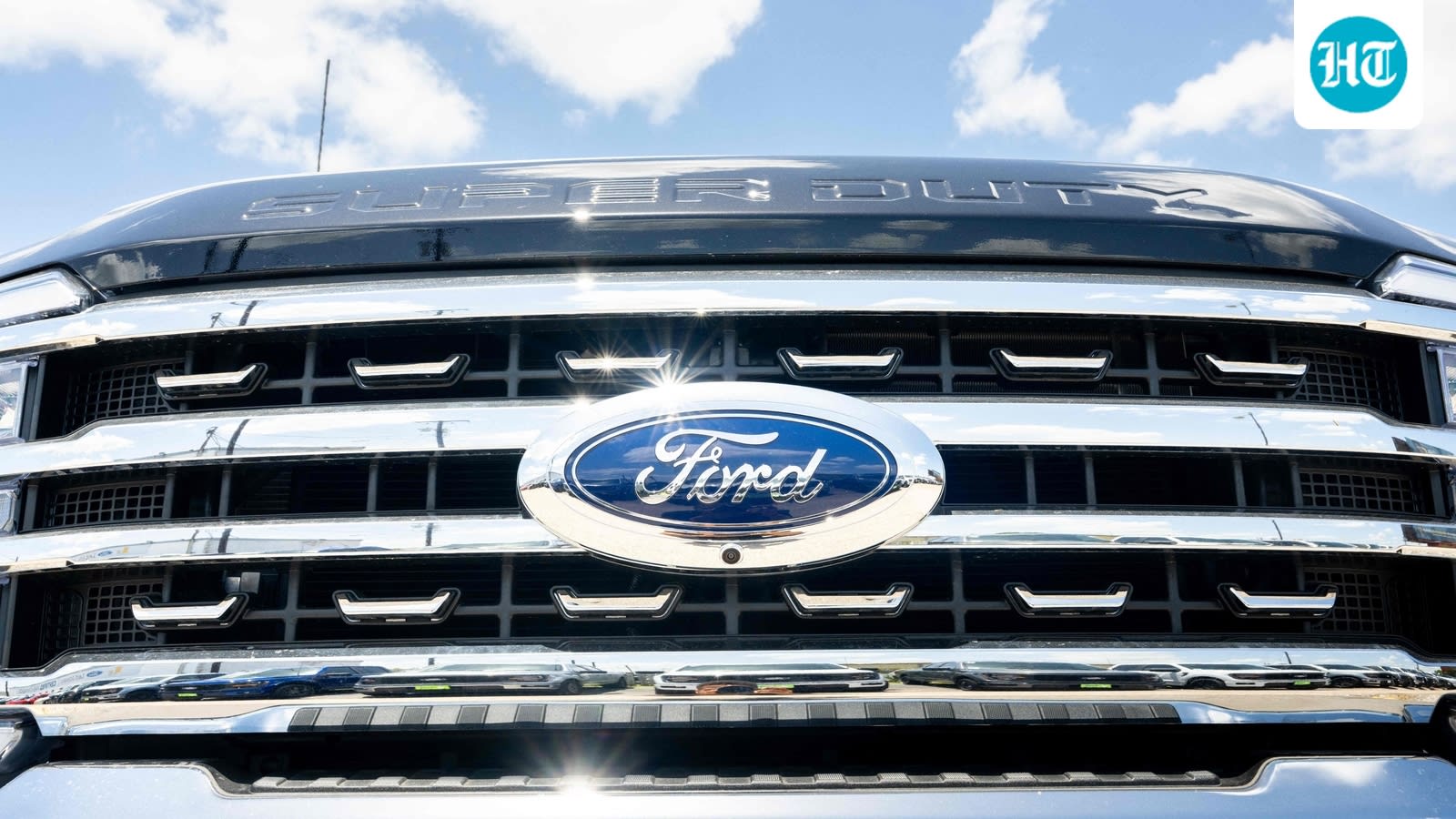
Ford has officially commenced battery cell production at its $3 billion Michigan facility using licensed technology from China's CATL. These components will power prototypes of the upcoming Fathom electric pickup as Ford aims to lower costs and compete with global EV leaders.
Ford Commences Battery Production in Michigan Amid Geopolitical Shifts
Ford Motor Company has officially initiated production of battery cells at its new $3 billion facility located in Marshall, Michigan. This development marks a critical juncture in the automaker's transition toward electrification, as the plant utilizes technology licensed from the Chinese battery giant, Contemporary Amperex Technology Co. Limited (CATL). By localizing the production of these cells, Ford is attempting to streamline its supply chain and reduce the cost structure associated with its next-generation electric vehicle (EV) lineup.
Strategic Integration of Licensed Technology
The choice to utilize CATL’s battery technology is a calculated strategic move. CATL is widely recognized as a global leader in lithium iron phosphate (LFP) battery chemistry, which is generally more affordable and durable than the nickel-cobalt chemistries traditionally used in Western EVs. By licensing this expertise, Ford aims to achieve the cost efficiencies necessary to drive mass-market adoption of electric vehicles, effectively positioning itself to compete more aggressively against rivals like Tesla and emerging Chinese manufacturers.
Impact on the Fathom Electric Pickup
Initial production output from the Marshall facility is being directed toward prototypes for the company’s forthcoming "Fathom" small electric pickup truck. CEO Jim Farley has publicly positioned this vehicle as a pivotal product in Ford's portfolio, intended to challenge established players in the EV space. The success of the Fathom will likely depend on the performance and cost-effectiveness of these domestically produced battery cells, making the Michigan plant a cornerstone of Ford's future product roadmap.
Navigating Geopolitical and Economic Tensions
This initiative arrives during a period of heightened scrutiny regarding U.S.-China trade relations and the security of the domestic EV supply chain. While Ford’s reliance on Chinese intellectual property has drawn political attention, the company maintains that this model allows for the rapid scaling of U.S. manufacturing capabilities and job creation. The Marshall plant represents a $3 billion investment in the American industrial landscape, aimed at balancing the need for advanced technology with the imperative of domestic production.
Future Trends in Battery Manufacturing
Looking ahead, the collaboration between Ford and CATL could set a precedent for how Western automakers navigate the transition to sustainable energy. If the Marshall plant successfully delivers high-quality, lower-cost cells, it may serve as a blueprint for other manufacturers seeking to bridge the gap between expensive, high-performance batteries and the need for affordable mass-market options. As the EV market matures, the ability to control battery production domestically while leveraging global technological expertise will likely define the long-term viability of legacy automakers in a decarbonizing economy.
Multiple Citing Sources
Verification Required?