Ford starts U.S. battery cell production using Chinese tech amid geopolitical tensions
Source Entity
US Top News and Analysis
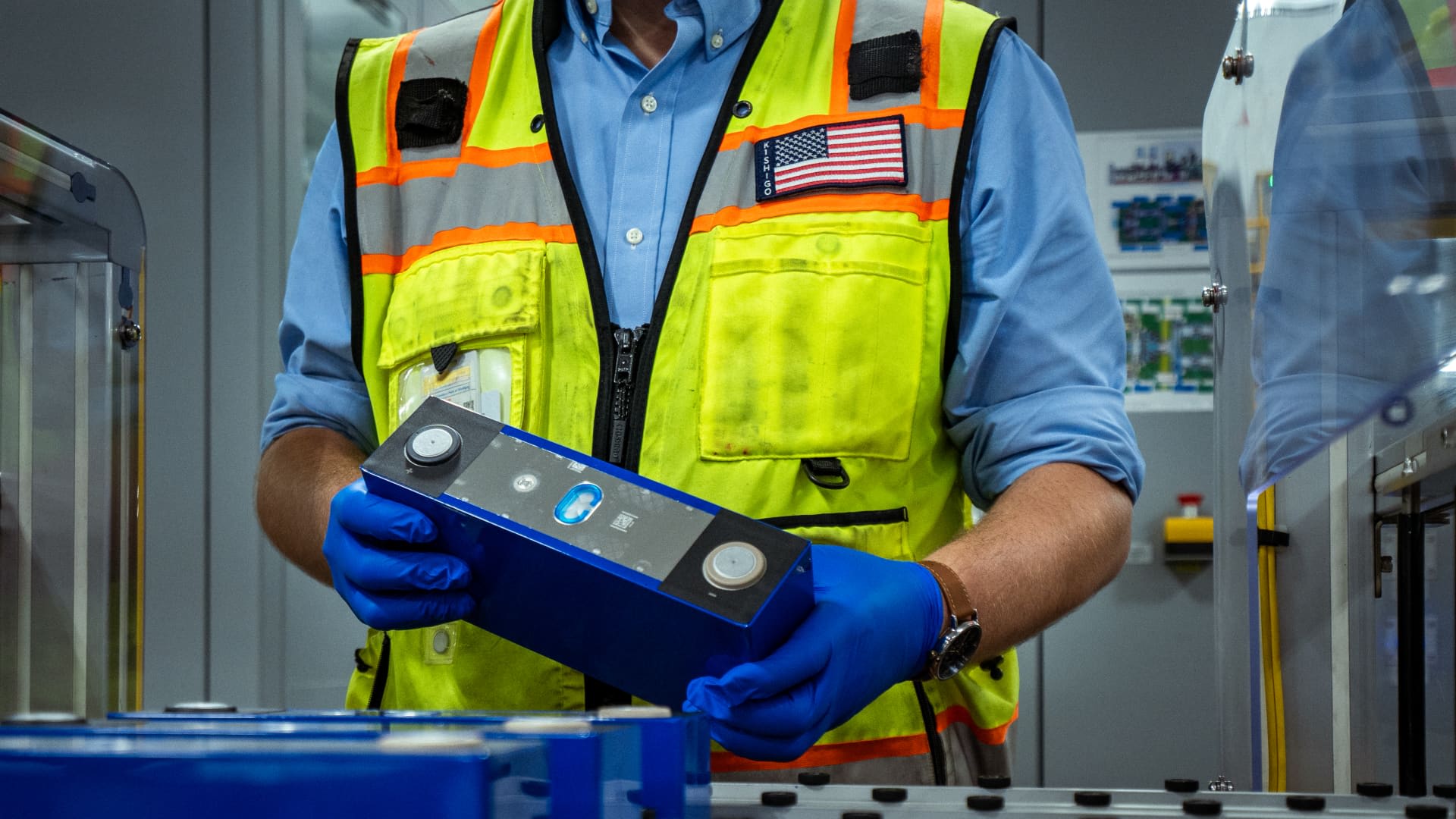
Ford has officially begun producing battery cells at its $3 billion Michigan plant using licensed technology from China's CATL. These cells will power prototypes of the upcoming Fathom electric pickup truck as part of Ford's strategy to lower EV costs.
Ford Commences Battery Production in Michigan
Ford Motor Company has officially reached a significant milestone in its electrification strategy by commencing battery cell production at its new $3 billion facility in Marshall, Michigan. This development, which began last month, represents a pivotal shift for the automaker as it seeks to scale its next-generation electric vehicle (EV) lineup. By utilizing technology licensed from the Chinese battery giant CATL, Ford is positioning itself to leverage global expertise in lithium iron phosphate (LFP) chemistry to drive down manufacturing costs.
Strategic Utilization of Licensed Technology
The decision to license technology from CATL—the world’s largest battery manufacturer—highlights the complex balance between domestic manufacturing goals and the necessity of global supply chain integration. While the plant is situated in the United States, the reliance on Chinese intellectual property underscores the current state of the global EV supply chain, where Chinese firms hold a dominant position in battery chemistry and production efficiencies. Ford's approach allows it to bypass some of the logistical hurdles of importing finished cells while still accessing high-tier, cost-effective technology.
Impact on the Fathom Electric Pickup
The immediate application of these battery cells is centered on the development of prototypes for Ford's upcoming 'Fathom' small electric pickup truck. CEO Jim Farley has positioned the Fathom as a critical component of Ford's competitive strategy, aimed directly at challenging industry leaders like Tesla and emerging Chinese EV manufacturers. By integrating these new cells, Ford intends to prove that its domestic production can yield vehicles that are not only technologically advanced but also price-competitive in a crowded market.
Geopolitical Context and Supply Chain Resilience
This production startup occurs amid heightened geopolitical tensions between the United States and China, particularly regarding trade policies and the automotive sector. The Marshall facility is a focal point of this tension, as it operates at the intersection of U.S. industrial policy—which encourages domestic production—and the reality that Chinese expertise currently leads the battery sector. Ford's ability to navigate these political headwinds while maintaining production schedules will be a key test for its broader EV transition strategy.
Economic Implications for the Midwest
Located approximately 100 miles west of Detroit, the Marshall plant serves as a vital economic engine for the region. The $3 billion investment is a testament to Michigan’s enduring role as the heart of American automotive innovation. As the facility moves from initial production to full-scale operations, it is expected to create jobs and stabilize the supply chain for Ford’s future electric fleet, reducing the company's reliance on external battery suppliers.
Future Trends and Market Outlook
Looking ahead, the success of the Marshall plant could serve as a blueprint for how legacy automakers manage the transition to electric powertrains. If Ford successfully integrates CATL’s technology to produce high-quality, affordable batteries at scale, it will likely accelerate the adoption of EVs among price-sensitive consumers. The industry will be closely watching the Fathom pickup's performance metrics, as they will serve as the first real-world indicators of whether this cross-border technology licensing model provides the competitive advantage Ford anticipates.