Tear gas in Paris and Marseille as school protests grow across France
Source Entity
BBC News
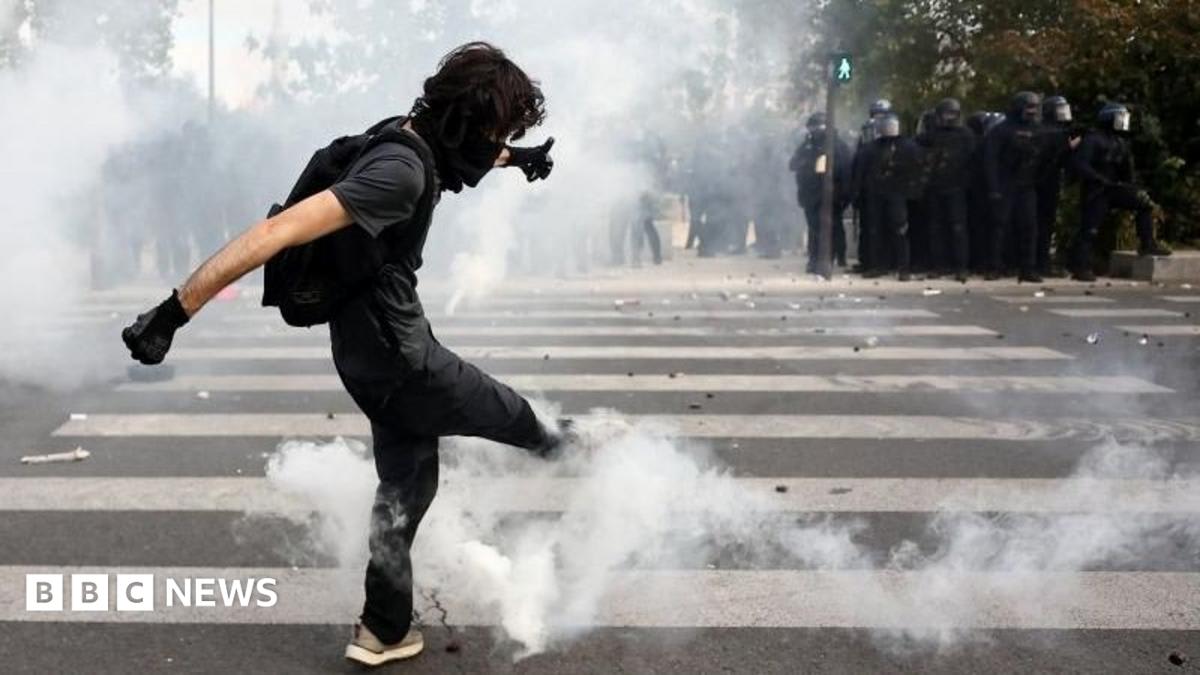
High-school students across France are staging widespread protests over systemic issues like funding and infrastructure, leading to thousands of arrests and violent clashes. The government reports hundreds of injuries as the movement expands to include unions and university students.
The Escalation of Student Unrest in France
France is currently grappling with a significant wave of nationwide student protests that have paralyzed hundreds of educational institutions. Beginning in mid-September in the Paris region, the movement has rapidly evolved into a widespread mobilization of high-school students, now supported by university students, parents, and labor unions. The core grievances driving this unrest center on deep-seated systemic issues within the French secondary education system, specifically regarding inadequate school funding, the prevalence of overcrowded classrooms, and the deterioration of physical infrastructure.
The Human Cost and Escalating Violence
The protests have been marked by intense confrontations between demonstrators and law enforcement, leading to a concerning toll on both sides. According to government figures, at least 215 students have sustained injuries since the start of the demonstrations, with reports of severe trauma, including a 15-year-old who reportedly lost a hand during clashes in the north. Simultaneously, the state reports that 715 police officers have been injured, underscoring the volatile nature of these confrontations as police utilize tear gas in cities like Paris and Marseille and water cannons in Rennes to clear blockades.
Judicial and Administrative Impact
The response from the French justice system has been extensive. The Ministry of Justice reports that over 5,000 individuals have been arrested since the inception of the protests, with a staggering 87 percent of those detained being minors. The legal repercussions are significant, with more than 1,800 individuals facing prosecution, including 1,483 minors. This high volume of arrests has sparked further debate regarding the government's approach to managing student dissent and the perceived use of police repression against the youth.
Educational Disruption and Policy Challenges
Education Minister Edouard Geffray and Prime Minister Sébastien Lecornu have faced mounting pressure as the unrest continues to erode the functionality of the school system. On a single Tuesday, the government reported that 891 high schools—nearly a quarter of all lycées in the country—suffered from disruptions or blockades. The students are demanding a comprehensive overhaul of the educational environment, citing long school days and teacher shortages as critical barriers to their learning, which have exacerbated feelings of neglect among the youth.
Political Implications and Future Trends
As the movement gains momentum, it has attracted the attention of national political figures, including far-right presidential frontrunner Le Pen, who has pledged a fiscal turnaround in response to the crisis. The intersection of economic anxiety, infrastructure decay, and police conduct has turned a localized school funding dispute into a broader national challenge for the current administration. Looking ahead, the government faces a precarious path: it must address the fundamental pedagogical and infrastructural needs of the school system while simultaneously de-escalating the cycle of violence to restore order across the nation's classrooms.
Multiple Citing Sources