George Lucas turned California ranchland into nearly 5,000-acre Skywalker Ranch
Source Entity
TOI REAL ESTATE DESK
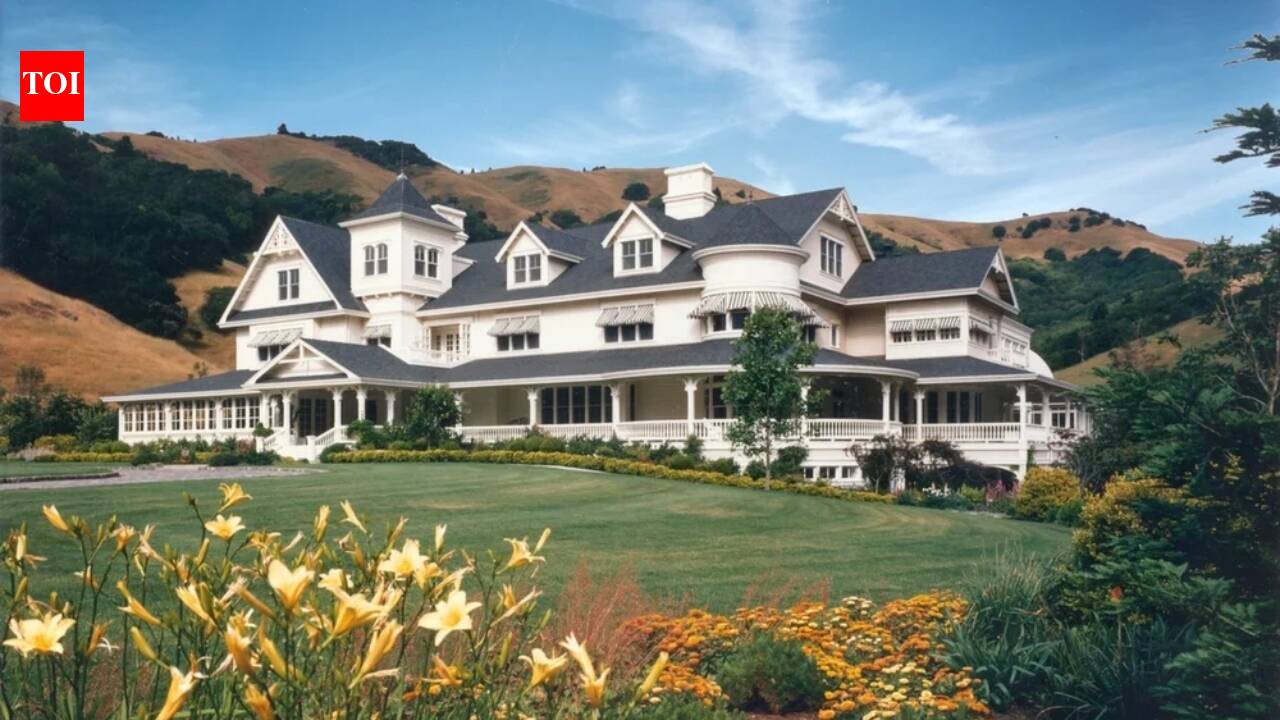
George Lucas has transformed 5,000 acres of Marin County ranchland into the iconic Skywalker Ranch. This creative sanctuary serves as a hub for industry innovation, housing the renowned Skywalker Sound facility.
The Legacy of Skywalker Ranch: A Filmmaker's Sanctuary
Since 1978, legendary filmmaker George Lucas has meticulously transformed sprawling parcels of California ranchland into what is now known as Skywalker Ranch. Located in the serene hills of Marin County, this 4,700-acre estate has evolved from simple land acquisitions into a world-class creative sanctuary. By blending rural seclusion with high-end production infrastructure, Lucas created a unique environment that has redefined how major motion pictures are developed and sound-designed.
Architectural and Creative Integration
At the heart of this massive property sits a 50,000-square-foot Victorian-style main house. Far from being a traditional corporate office, this structure serves as a hub for professional gatherings, fostering a collaborative atmosphere that is rare in the high-pressure world of Hollywood. The estate encompasses more than a dozen buildings, each integrated into the landscape to maintain the ranch’s aesthetic while providing the necessary technical facilities for modern filmmaking.
The Heart of Audio Innovation: Skywalker Sound
Perhaps the most significant component of the ranch is Skywalker Sound, which has been in operation since 1987. This facility has become a cornerstone of the global film industry, setting the gold standard for audio post-production. By placing such a sophisticated technical hub within a quiet, natural retreat, Lucas ensured that his creative team could work with unparalleled focus, free from the distractions of a conventional urban studio environment.
Amenities and Operational Philosophy
Beyond its technical capabilities, the ranch functions as a self-sustaining destination. It includes themed guest rooms, diverse dining options, and a health club, all designed to support the long-term needs of visiting filmmakers and staff. This holistic approach to studio design—treating the ranch as a retreat rather than just a workplace—reflects Lucas’s long-standing philosophy that creativity thrives best when the environment supports both the professional and personal well-being of the artist.
Historical Context and Lasting Impact
Nearly fifty years after the initial purchases began, Skywalker Ranch remains a testament to Lucas’s vision of independent filmmaking. While many production companies have consolidated into massive urban conglomerates, the longevity of this ranch highlights a different path for the industry: one where creative autonomy is physically manifested in a space built specifically for artistic expression. As the industry continues to evolve, the ranch stands as a permanent fixture of cinematic history, bridging the gap between natural beauty and technical ingenuity.