Gianni Infantino drops massive FIFA World Cup expansion hint as 64-team plan emerges
Source Entity
Latest News: Today's Latest News Headlines from India & World | Hindustan Times | Hindustan Times
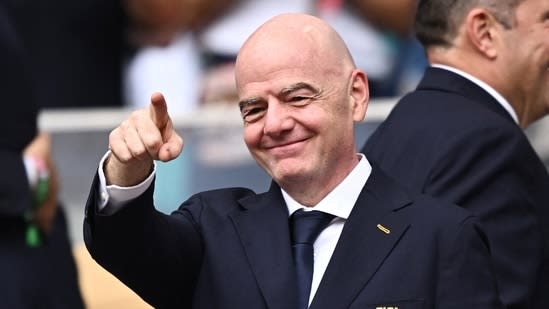
Gianni Infantino hinted at expanding the FIFA World Cup to 64 teams. He also defended the hydration breaks in the 2026 edition.
The Evolution of Global Football: Analyzing FIFA's Expansionist Vision
FIFA President Gianni Infantino's recent hints regarding a potential expansion of the FIFA World Cup to 64 teams signal a bold, albeit controversial, trajectory for the world's most prestigious sporting event. This suggestion comes at a time when the footballing world is already preparing for the 2026 edition, which will see the participant count rise from 32 to 48 teams. The prospect of moving to 64 teams suggests that FIFA is not merely seeking a one-time increase in inclusivity but is instead pursuing a long-term strategy of maximum globalization and commercial saturation.
The Tension Between Inclusivity and Elite Quality
The move toward a 64-team format represents a fundamental shift in the philosophy of the World Cup. By expanding the field, FIFA aims to democratize the sport, providing smaller nations and emerging footballing regions—particularly in Asia and Africa—a realistic opportunity to compete on the world stage. This 'Football for All' approach can stimulate growth in grassroots football globally. However, critics argue that such a massive expansion risks diluting the quality of the tournament. With more teams, the gap in skill between the elite powerhouses and the qualifiers widens, potentially leading to lopsided scores and a decrease in the overall competitive intensity that defines the World Cup's prestige.
Commercial Drivers and Economic Implications
From a business perspective, a 64-team tournament is an economic goldmine. More teams inevitably lead to more matches, which in turn translates to increased ticket sales, higher broadcasting rights fees, and expanded sponsorship opportunities. For FIFA, this revenue growth is often justified as a means to redistribute wealth back into member associations to develop the game. Yet, this commercial drive often clashes with the sporting calendar. A 64-team tournament would require a significantly longer duration or a more congested schedule, placing unprecedented pressure on the logistics of host nations and the financial resources of smaller federations to prepare their squads.
Player Welfare and the Logistics of Fatigue
One of the most critical concerns regarding expansion is the physical toll on the athletes. Professional footballers are already facing a crisis of congestion due to the expansion of club competitions, such as the revamped UEFA Champions League. Adding more matches to the World Cup could push players toward a breaking point of physical and mental exhaustion. The logistical nightmare of managing 64 teams—including travel, training facilities, and recovery protocols—would be the most complex undertaking in the history of international sports, requiring a level of coordination that tests even the most capable organizing committees.
Addressing Climate Realities: The Hydration Break Debate
Parallel to the expansion debate, Infantino's defense of hydration breaks for the 2026 World Cup highlights a necessary adaptation to environmental realities. With the 2026 tournament hosted across the USA, Canada, and Mexico, players will encounter extreme heat and humidity in several regions. By defending these breaks, FIFA is acknowledging the impact of climate change on athletic performance and safety. While some purists argue that breaks disrupt the flow and rhythm of the game, the priority has shifted toward medical necessity. Ensuring that players remain hydrated is no longer just a tactical preference but a critical safety requirement to prevent heatstroke and cardiovascular distress.
Conclusion: A New Era for the Beautiful Game
In summary, Gianni Infantino's vision for the World Cup is one of relentless growth and modernization. The hint at a 64-team expansion reflects a desire to make the tournament a truly global festival, though it invites significant scrutiny regarding sporting integrity and player health. When coupled with the implementation of hydration breaks, it becomes clear that FIFA is attempting to balance aggressive commercial and inclusive expansion with the pragmatic needs of player welfare in an era of extreme weather. The coming years will determine whether the World Cup can maintain its aura of exclusivity while embracing a vision of total global participation.
Verification Required?