White gold to memory: How Goa's 1,500-year-old salt pans are vanishing
Source Entity
PAUL FERNANDES
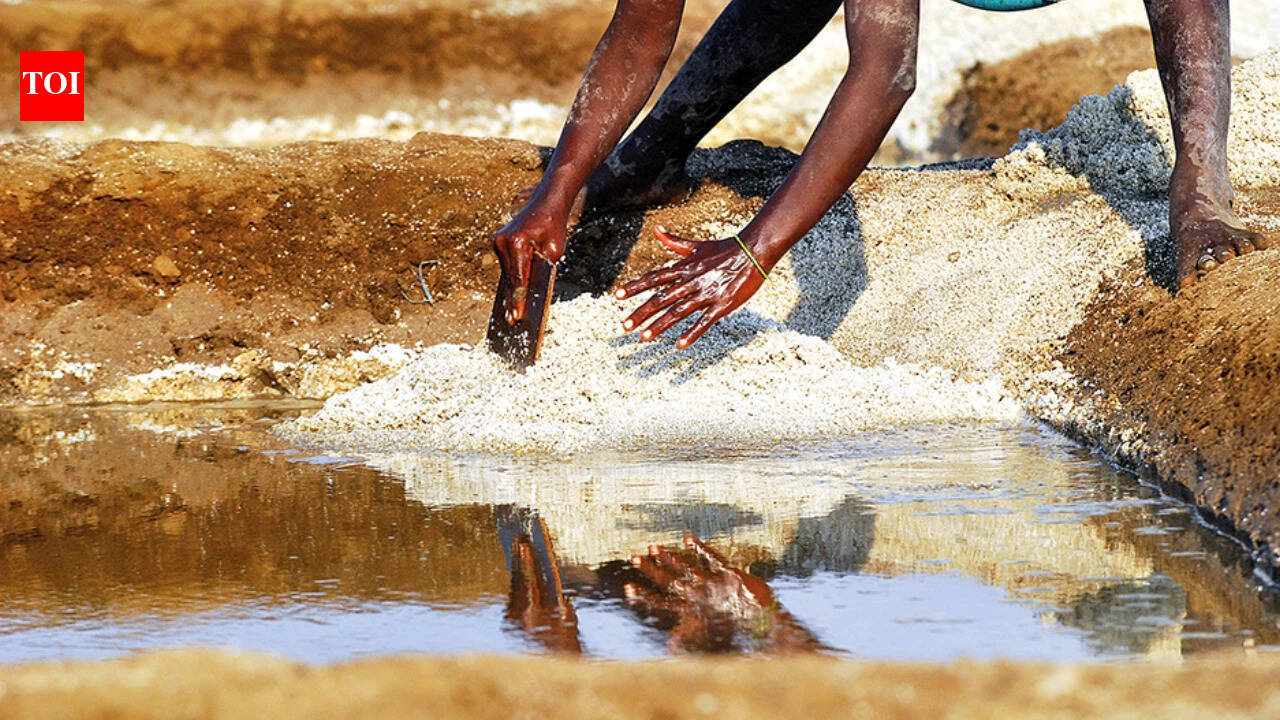
Goa's centuries-old salt industry is now on the brink of collapse. Many salt pans have disappeared, leaving only a few operational today. Real estate pressure and competition from refined salt have severely impacted this heritage trade. Despite challenges, some efforts are underway to revive and preserve this unique cultural landscape. Without government support and land protection, this traditional craft may soon vanish forever.
The Erosion of 'White Gold': The Crisis of Goa's Salt Pans
Goa is globally renowned for its sun-drenched beaches and vibrant tourism, but beneath the surface of its coastal allure lies a fading legacy known as 'white gold.' For over 1,500 years, the state's salt pans (mitagar) have served as a cornerstone of local economy and identity. However, this ancient industry is currently facing an existential crisis. The transition from a thriving ancestral trade to a vanishing memory is not merely a loss of a product, but the erasure of a sophisticated traditional knowledge system that has survived centuries of colonial and political shifts.
The Economic Squeeze: Refined Salt vs. Artisanal Tradition
One of the primary drivers of this decline is the brutal efficiency of the modern industrial salt complex. The traditional method of salt production in Goa is labor-intensive, relying on the natural evaporation of seawater in shallow ponds. In contrast, large-scale industrial refineries produce salt at a fraction of the cost, flooding the market with cheap, refined alternatives. This price disparity has made it nearly impossible for traditional salt farmers to sustain their livelihoods. As the profit margins shrink, the younger generation is abandoning the salt pans, viewing the profession as an obsolete relic rather than a viable career, thereby severing the chain of ancestral knowledge.
The Real Estate Juggernaut
While economic competition has weakened the industry, real estate pressure is physically erasing it. Goa's coastal land is some of the most coveted real estate in India. The salt pans, often located in prime areas near the shoreline, have become targets for developers. The temptation to sell ancestral land for the construction of luxury villas, resorts, and commercial complexes is often overwhelming for families struggling with the low returns of salt farming. This conversion of agricultural and artisanal land into concrete structures is irreversible, leading to a permanent loss of the landscape's historical character.
Ecological Implications and Environmental Risk
Beyond the economic and cultural loss, the disappearance of salt pans poses a significant ecological threat. Salt pans act as critical buffers in the coastal ecosystem, serving as natural drainage systems that prevent flooding in surrounding areas during the monsoon season. Furthermore, these pans often coexist with mangrove forests, providing a unique habitat for various bird species and marine life. When these pans are filled in for construction, the natural hydrology of the region is disrupted, increasing the risk of urban flooding and destroying the biodiversity that relies on these brackish water environments.
The Path to Revival: Heritage and Sustainability
There are glimmers of hope in the form of grassroots efforts to revive the trade. Some advocates are pushing for the recognition of Goan salt as a specialty or 'heritage' product, similar to how certain European salts are marketed. By pivoting from a commodity-based model to a value-added artisanal model, salt farmers could potentially command higher prices from gourmet markets and eco-conscious consumers. However, these efforts remain fragmented. For a true revival, there must be a systemic shift in how the state views these pans—not as vacant plots of land, but as living museums of Goan heritage.
Conclusion: A Call for Institutional Protection
The survival of Goa's salt pans depends entirely on immediate and decisive government intervention. Without strict land-use protections that prevent the conversion of salt pans into residential or commercial zones, the industry will likely vanish within a generation. Implementing subsidies for traditional farmers and integrating salt pan preservation into the state's tourism and environmental policies could save this 1,500-year-old legacy. The loss of the 'white gold' would be more than an economic failure; it would be a cultural tragedy, erasing a vital link to Goa's ancestral past.