Gemini on Mac can now use your computer
Source Entity
Jay Peters
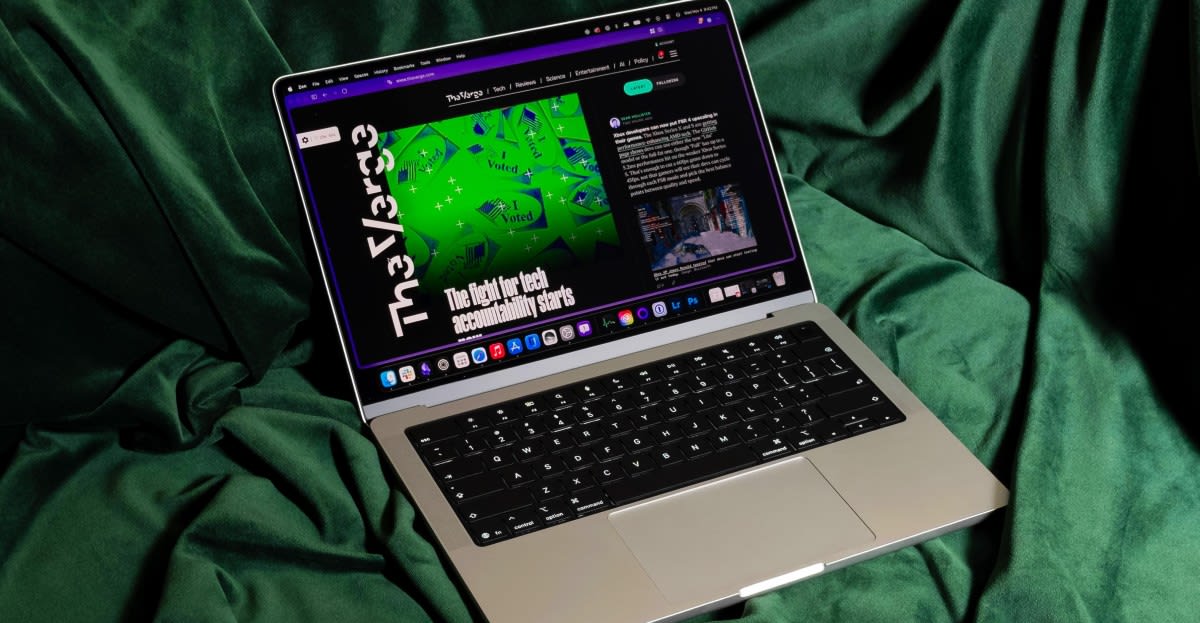
Google has launched a new 'computer use' feature for Gemini on macOS, enabling the AI to perform multi-step tasks across desktop apps and the web. Meanwhile, Apple is actively hiring to develop its own competing agentic AI assistant to further enhance Siri's capabilities.
The Shift Toward Agentic AI on Desktop
Google has officially introduced 'computer use' capabilities to its Gemini desktop application on macOS, marking a significant evolution in how users interact with their personal computers. This update allows the Gemini AI to operate as an agent, capable of navigating native Mac applications, browsing the web in the background, and managing complex, multi-step workflows such as organizing files, filling out digital forms, and creating presentations. By providing a live preview window, Google aims to maintain user oversight while the AI executes tasks, ensuring that the automation process remains transparent and controllable.
Competitive Landscape and Strategic Timing
While this launch represents a major advancement for Google’s ecosystem, the company is entering a crowded field. Industry rivals including OpenAI, Anthropic, and Meta have already established a presence in the agentic AI space with their own desktop-integrated tools. Google's recent push—which includes the rollout of its in-app 'Tasks' feature for signing into websites and booking appointments—is a strategic move to catch up and provide a seamless, integrated experience that competes with existing AI agents. This shift underscores a broader industry pivot from simple chatbot interfaces to autonomous agents that can actively manipulate software environments.
User Privacy and Control
Central to the implementation of Gemini’s new features is the emphasis on user permission. Google has confirmed that users will maintain authority over which specific applications Gemini can access, addressing potential security concerns inherent in granting AI software control over a local machine. By offering a background window that displays a live feed of the AI’s actions, Google is attempting to mitigate the 'black box' nature of automation, allowing users to monitor progress and intervene if the AI deviates from the intended workflow.
Apple’s Defensive and Offensive Strategy
As Google expands its footprint on macOS, Apple is simultaneously positioning itself to compete in the agentic AI market. Recent job listings indicate that Apple is actively recruiting engineers to lead the development of its own sophisticated AI agent. This future assistant is expected to perform a broad spectrum of tasks, including web browsing, cross-app functionality, and code generation. This initiative follows the September rollout of Apple’s AI-upgraded Siri, which already allows for basic screen awareness and cross-app actions, signaling a clear intent to deepen the intelligence of its native OS.
Future Implications and Trends
The race to dominate the desktop agent space suggests that the next frontier of personal computing will be defined by 'actionability.' The transition from passive assistance to active execution—where AI acts as a surrogate for the user—is likely to become the standard for professional and personal productivity. As both Google and Apple vie for dominance, users can expect these agents to become increasingly capable of handling complex administrative tasks, potentially transforming how we utilize our local storage and software suites. The successful integration of these tools will hinge on balancing advanced automation with robust privacy protections, a challenge that both companies are currently navigating in their respective development cycles.