Google will now let any AI agent run your smart home
Source Entity
Jennifer Pattison Tuohy
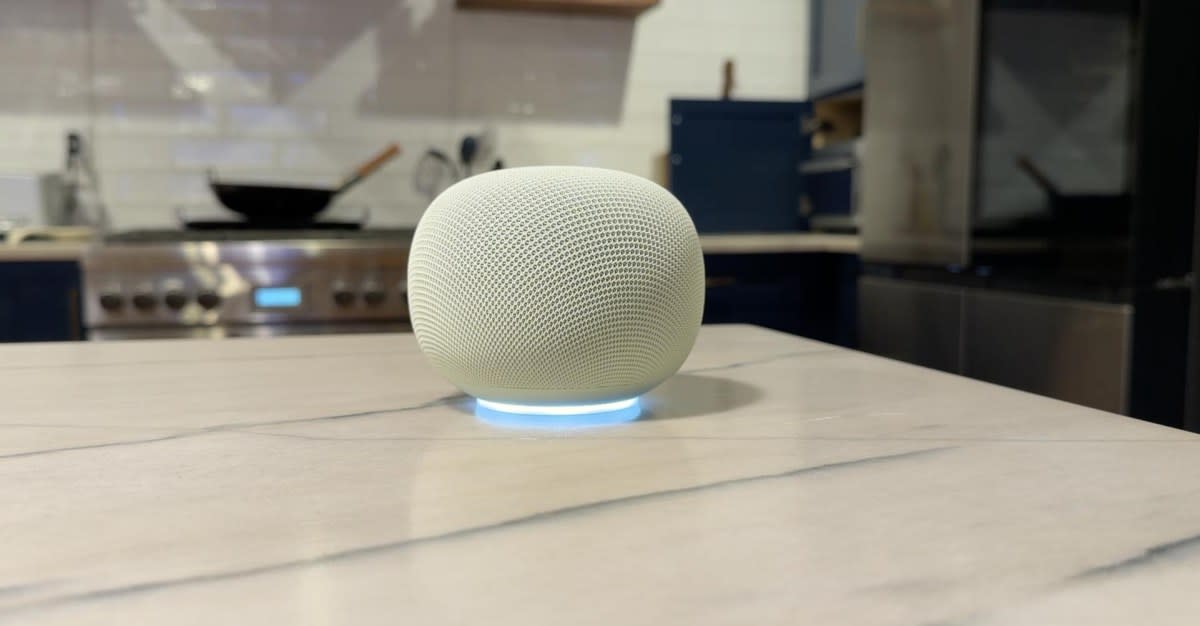
Google has launched an early access Model Context Protocol (MCP) server, enabling third-party AI agents like Claude and ChatGPT to control Google Home devices. This integration allows users to manage smart home ecosystems and access event histories using natural language commands.
The Future of Ambient Computing: Google Home and MCP
Google has officially taken a significant step toward the democratization of smart home management by launching an early access Model Context Protocol (MCP) server for the Google Home ecosystem. This development marks a shift from rigid, predefined automation routines to dynamic, agentic control. By utilizing the standardized MCP, Google is enabling third-party AI agents—such as Claude, ChatGPT, Hermes, OpenClaw, and Google Antigravity—to interface directly with connected home devices.
Breaking Down the Model Context Protocol (MCP)
The Model Context Protocol acts as a universal bridge, allowing AI models to interact with external data sources and tools in a secure, standardized manner. By integrating this protocol into Google Home, the company is effectively removing the "walled garden" constraints that have historically hindered smart home interoperability. Users can now leverage the reasoning capabilities of advanced AI agents to interpret complex, natural language requests, transforming how they interact with their living spaces.
Enhanced Capabilities and Natural Language Control
With this integration, the scope of home automation expands beyond simple on/off commands. Users can now task their AI agents with reviewing camera summaries, monitoring historical smart home activity, and managing complex device configurations. Because these agents can process natural language, the user experience becomes more conversational and intuitive; a user could theoretically ask an AI to "summarize the activity at the front door from this afternoon" rather than manually navigating through multiple app menus.
Customization and Personalization
One of the most compelling aspects of this rollout is the ability for users to build custom smart home dashboards tailored to their specific needs. By leveraging the data access granted through the MCP, individuals can create personalized interfaces that surface the information they care about most. This level of customization empowers users to move past generic manufacturer dashboards and into a realm of bespoke home management.
Technical Implementation and Security
To facilitate this integration, Google has outlined a structured setup process requiring users to create a Google Cloud project and configure it for the Home MCP. This approach ensures that while the ecosystem is becoming more open to third-party AI, it remains rooted in Google’s security framework. By requiring explicit configuration, Google maintains a layer of oversight, ensuring that users retain control over which agents have permission to access their home data and device controls.
Broader Implications and Future Trends
This move signifies a broader trend in the tech industry: the transition toward "agentic AI" that performs tasks on behalf of the user. As AI agents become more prevalent, the smart home is likely to become the primary laboratory for these technologies. We can expect to see future iterations where AI agents anticipate user needs based on historical patterns and real-time environmental data, further cementing the role of the smart home as a proactive, rather than reactive, assistant.