Hackers publish thousands of drivers’ data after breaching Florida motor vehicle database
Source Entity
Zack Whittaker
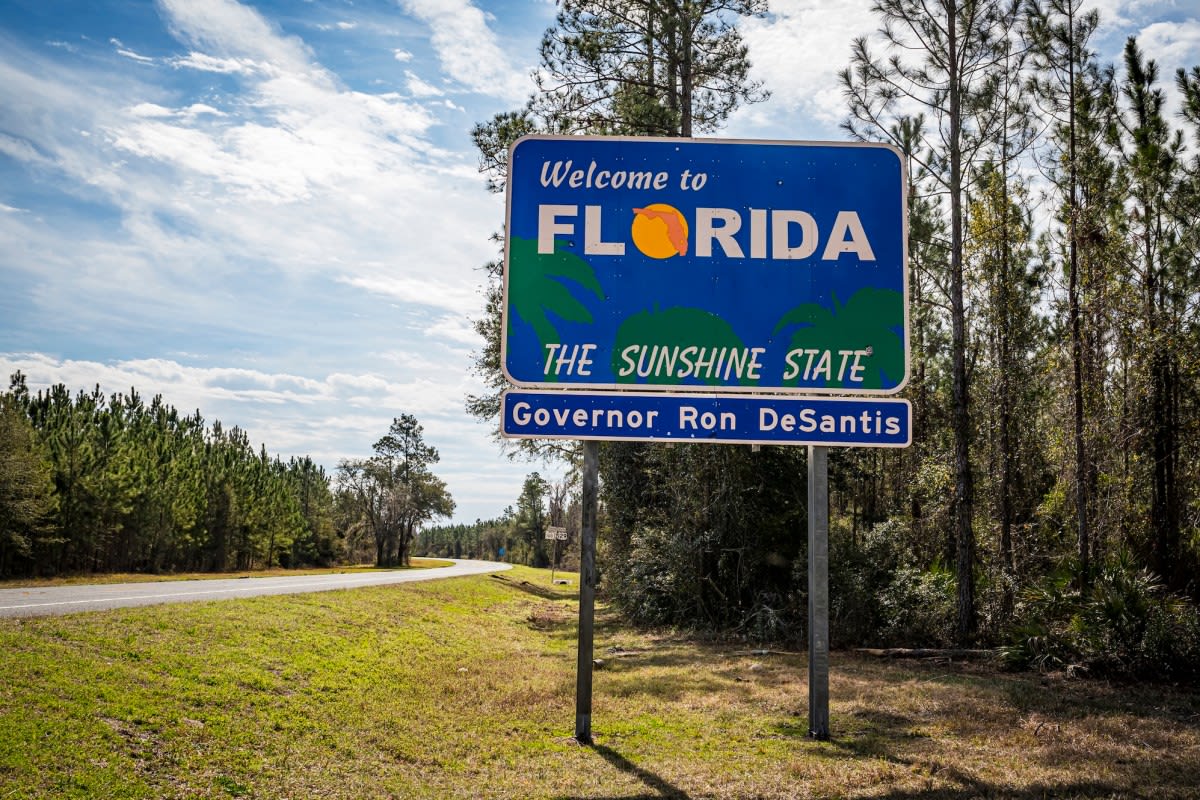
The ShinyHunters hacking group has leaked a massive cache of Florida driver data after a ransom demand went unpaid. The breach originated from compromised police credentials, highlighting critical vulnerabilities in state database security.
The Florida DAVID Breach: An Escalation in Cyber-Extortion
The recent breach of Florida’s Driver and Vehicle Information Database (DAVID) by the notorious ShinyHunters hacking group marks a significant escalation in the targeting of government infrastructure. By leaking hundreds of thousands of sensitive files, the threat actors have demonstrated the catastrophic potential of ransomware operations that bypass traditional network perimeters by exploiting individual credentials. This incident serves as a grim reminder that state-level databases, which aggregate vast quantities of personally identifiable information (PII), remain high-value targets for global cyber-criminal syndicates.
The Mechanics of the Breach
According to the Florida Department of Highway Safety and Motor Vehicles (FLHSMV), the initial entry point for this breach was the compromise of a police officer’s credentials stored on a personal device. This underscores a pervasive vulnerability in modern cybersecurity: the 'human-perimeter' gap. When sensitive government access is extended to mobile or personal devices, the security posture of the entire state agency becomes tethered to the individual security hygiene of its employees. This incident highlights the urgent need for robust multi-factor authentication and stricter device management policies within state law enforcement agencies.
The Role of Ransomware and Extortion
ShinyHunters, a group well-known for its aggressive data-exfiltration tactics, explicitly stated that the leak was a direct consequence of the state’s refusal to pay a ransom. This 'double extortion' strategy—where hackers steal data and then demand payment to prevent its release—has become the standard operating procedure for modern cyber-criminal groups. By refusing to pay, the agency maintained its policy against enabling criminal enterprises, but the fallout has left hundreds of thousands of Florida residents exposed to potential identity theft and targeted fraud.
Historical Context and Symbolic Targets
In an attempt to prove the veracity of their claims, the hackers released a screenshot of a record associated with the late Jeffrey Epstein. This tactical move is a classic disinformation and signaling technique used by threat actors to generate media buzz and validate their claims of access. By linking the breach to a high-profile figure, the attackers ensured maximum public visibility, effectively weaponizing the public's interest in the deceased offender to pressure the state agency during the extortion phase.
Broader Implications for Data Privacy
This event raises profound questions regarding the stewardship of citizen data. As states continue to digitize their services, the concentration of data in central repositories like DAVID creates a 'honey pot' effect. The breach of this database is not merely a technical failure; it is a systemic challenge for state-level governance. The reliance on legacy systems and the integration of personal devices into official workflows create vulnerabilities that are increasingly difficult to patch without comprehensive digital infrastructure overhauls.
Future Trends and Mitigation
Moving forward, state agencies must prioritize 'Zero Trust' architecture, assuming that any device—be it a police officer’s laptop or a smartphone—could be compromised. Future trends suggest that we will see more frequent attacks on local and state government entities, as these organizations often lack the cybersecurity budgets of federal agencies or private corporations. To combat this, legislatures will likely need to mandate stricter cybersecurity audits and invest in advanced threat-detection systems that can identify anomalous credential usage in real-time, long before the data reaches the public domain.