Google is forcing Android app developers to properly support foldables
Source Entity
Jay Peters
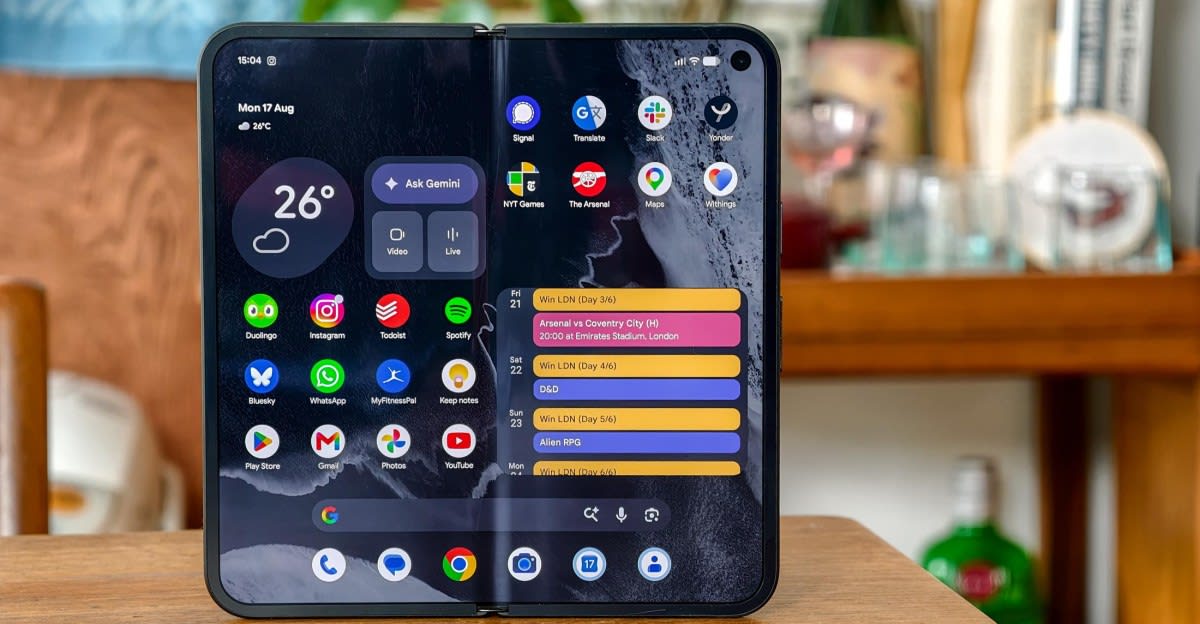
Google is mandating that Android developers meet 'Tier 3' adaptive standards for foldable devices by April 2027. Failure to optimize apps will result in restricted visibility or the inability to update software on the Google Play Store.
Google's Strategic Pivot: Mandating Foldable Optimization
Google has officially announced a significant shift in its mobile ecosystem strategy, imposing new requirements for Android developers regarding foldable device support. Starting in April 2027, developers will be required to ensure their applications meet the "Tier 3 — Adaptive ready" standard. This move represents a proactive effort by Google to standardize the user experience across a diversifying hardware landscape, ensuring that the software interface scales seamlessly to match the unique dimensions of foldable displays.
The Competitive Catalyst: Apple's Entry
The timing of this mandate is not coincidental. With the recent entry of Apple into the foldable device market, Google is under increased pressure to maintain the competitive edge of its own ecosystem. Historically, Android has been a pioneer in the foldable space, yet inconsistent app scaling has often hampered the premium user experience. By setting a hard deadline for developers, Google is signaling that fragmented software support is no longer acceptable in a market where hardware innovation is outpacing software adaptation.
Understanding 'Tier 3 — Adaptive Ready' Standards
At the core of this policy is the "Tier 3" requirement. Google explicitly mandates that applications must fill the available display area entirely, effectively prohibiting the use of letterboxing or legacy compatibility modes that often degrade the visual experience on non-standard screens. This push for adaptive design requires developers to move away from static layouts and embrace responsive frameworks that can dynamically adjust to various aspect ratios without losing functionality or aesthetic integrity.
Enforcement and Developer Consequences
The enforcement mechanism behind this policy is substantial. Developers who fail to meet these baseline support requirements by the April 2027 deadline face tangible risks, including the inability to publish new apps or push critical updates to existing ones. Furthermore, Google has indicated that non-compliant apps may face reduced visibility within the Google Play Store. This creates a powerful incentive for the developer community to prioritize foldable optimization as a core component of their product roadmaps rather than an afterthought.
Long-Term Implications for the Android Ecosystem
This policy shift marks a maturation of the foldable market. As foldable devices transition from niche luxury items to mainstream consumer electronics, the expectation for high-quality, "native" experiences will only grow. By enforcing these standards, Google is attempting to prevent the "app graveyard" phenomenon often seen in emerging hardware categories, where software fails to keep pace with hardware improvements. This ensures that the Android ecosystem remains a robust and high-performing choice for power users and enterprise clients alike.
Future Trends in Mobile Development
Looking ahead, this mandate will likely accelerate the adoption of cross-platform design tools and responsive development kits. Developers who invest in adaptive UI/UX now will be better positioned to capitalize on future hardware form factors, including rollable displays and multi-hinge devices. Google’s move is a clear message: the future of mobile is fluid, and the software must be just as adaptable as the hardware it powers.