Grand Theft Auto VI: The Ars Technica review
Source Entity
Kyle Orland
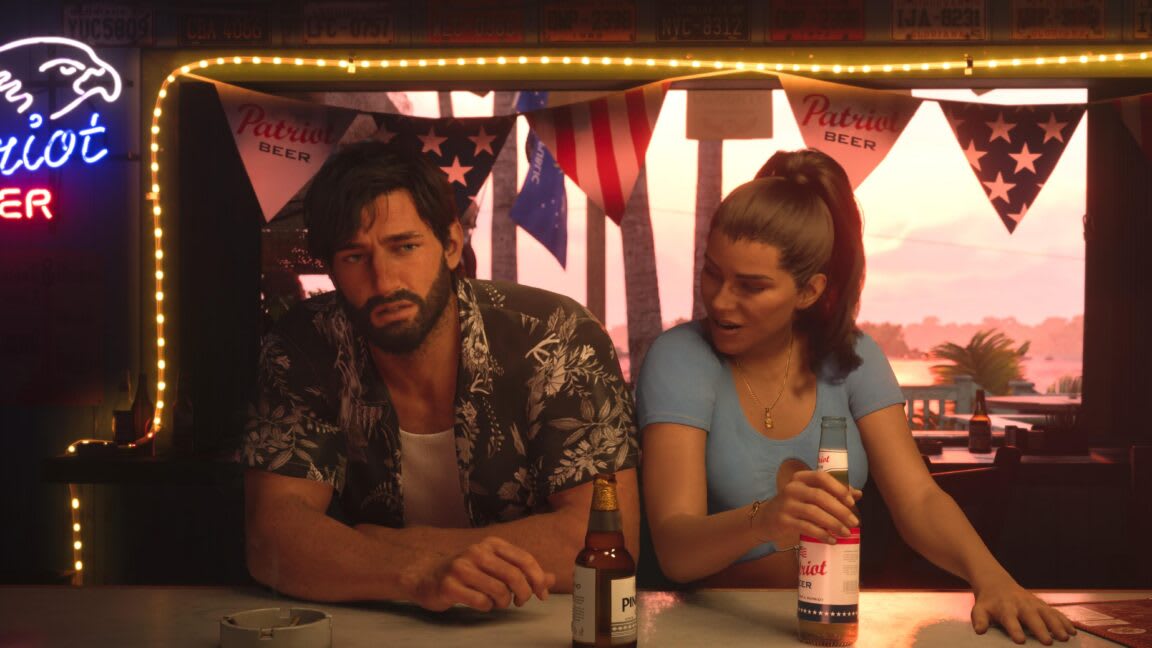
Grand Theft Auto VI successfully balances its signature high-octane criminal action with a surprisingly intimate, romantic narrative. The game sets a new standard for open-world immersion by blending the scale of GTA V with the depth of Red Dead Redemption 2.
The Evolution of Open-World Gaming: A Look at Grand Theft Auto VI
Grand Theft Auto VI arrives as one of the most anticipated titles in the history of interactive media, tasked with the monumental challenge of following up on the success of its predecessor. Grand Theft Auto V, released thirteen years ago, stands as a cultural titan, having sold over 230 million copies and trailing only industry staples like Tetris and Minecraft in total sales. With such a legacy, the expectations for Rockstar Games were astronomical, yet early reports indicate that the studio has managed to deliver a product that exceeds these massive expectations.
A New Narrative Focus: Romance in the Underworld
One of the most striking departures for the series is the introduction of a dual-protagonist narrative centered on the relationship between Jason and Lucia. Departing from the series' history of purely sordid criminal leads, GTA VI introduces a romantic arc that develops from their initial meeting during a car theft. This narrative choice adds a layer of human vulnerability to the chaos, allowing players to nurture a budding relationship through domestic tasks—such as assembling furniture—that contrast sharply with the game's high-stakes criminal heists.
Technical Mastery and World Building
Set in the reimagined landscape of Leonida, a fictionalized version of Florida, the game serves as an expansive evolution of the Vice City setting. The technical prowess on display is described as a synthesis of the wide-open freedom found in GTA V and the granular, high-fidelity immersion of Red Dead Redemption 2. By polishing these mechanics, Rockstar has created a digital urban simulation that feels both vast and remarkably detailed, maintaining the satire that has defined the 3D era of the franchise for 25 years.
Balancing Chaos and Mundanity
Perhaps the most daring aspect of the game is its structural duality. Producer Rob Nelson has characterized this shift as a "risk," noting that while the game remains a playground for mayhem and action-movie bombast, it also rewards players who engage with its quieter, more grounded moments. This design philosophy creates a unique rhythm: players can transition seamlessly from the adrenaline of a botched cocaine deal to the quiet, domestic satisfaction of strengthening a virtual relationship, proving that the series can evolve beyond simple destruction.
Industry Implications and Future Trends
By integrating these disparate gameplay loops, Grand Theft Auto VI is likely to set a new standard for open-world design. The move toward "meaningful" engagement suggests that future AAA titles may lean further into player-driven relationship systems and life-simulation elements to keep audiences invested for long-term play. As the industry moves forward, the success of this title will likely serve as a blueprint for how developers can maintain the "chaos" that players crave while providing the emotional depth necessary to anchor a modern, multi-generational gaming experience.
Conclusion
Ultimately, GTA VI succeeds because it respects its roots while refusing to rest on them. By successfully marrying the high-octane spectacle of its predecessors with a nuanced, romantic core, it cements its place not just as a successor to GTA V, but as a landmark achievement in digital storytelling and simulation.
Multiple Citing Sources